Buch-OWLOnline-Buchhandel

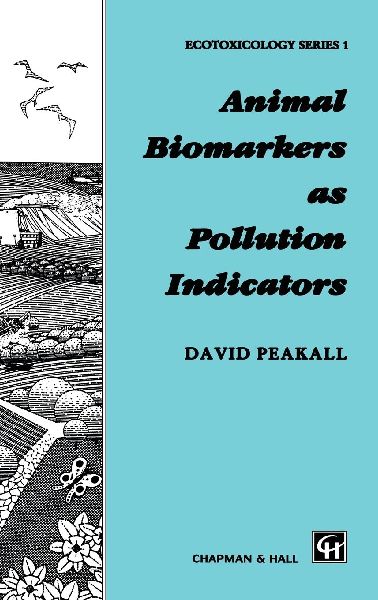
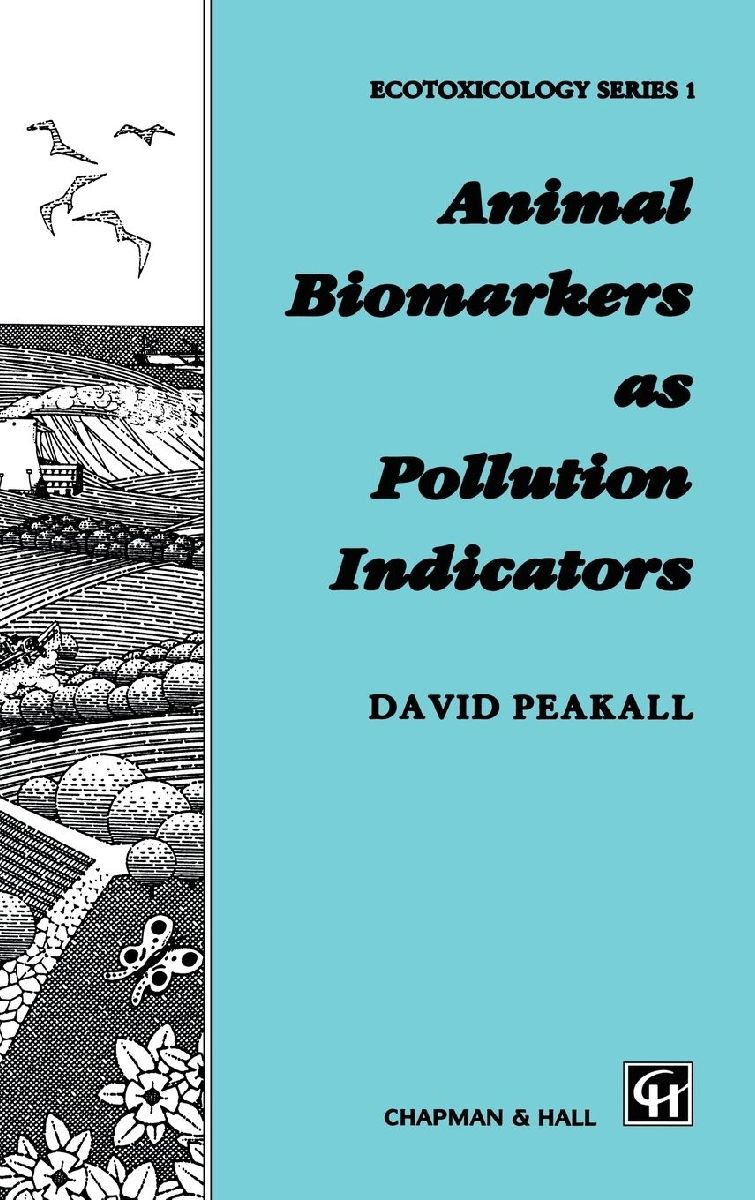
Animal Biomarkers as Pollution Indicators

von David B. Peakall (Hrsg.)

Herausgegeben von: David B. Peakall

Aus der Reihe Chapman & Hall Ecotoxicology Series

Einband
Gebunden
Seiten
320
Sprache
Englisch
Erschienen
Dezember 1991
Verlag
Springer

Buchbeschreibung

Ecotoxicology is a relatively new scientific discipline.

Indeed, it might be argued that it is only during the last 5-10 years that it has come to merit being regarded as a true science, rather than a collection of procedures for protecting the environment through management and monitoring of pollutant discharges into the environment. The term 'ecotoxicology' was first coined in the late sixties by Prof.

Ganze Beschreibung lesenWeniger anzeigen

Truhaut, a toxicologist who had the vision to recognize the importance of investigating the fate and effects of chemicals in ecosystems.

At that time, ecotoxicology was considered a sub-discipline of medical toxicology. Subsequently, several attempts have been made to portray ecotoxicology in a more realistic light. Notably, both F. Moriarty (1988) and F. Ramade (1987) emphasized in their books the broad basis of ecotoxicology, encompassing chemical and radiation effects on all components of ecosystems.

In doing so, they and others have shifted concern from direct chemical toxicity to man, to the far more subtle effects that pollutant chemicals exert on natural biota. Such effects potentially threaten the existence of all life on Earth. Although I have identified the sixties as the era when ecotoxicology was first conceived as a coherent subject area, it is important to acknowledge that studies that would now be regarded as ecotoxicological are much older.

Wherever people's ingenuity has led them to change the face of nature significantly, it has not escaped them that a number of biological con­ sequences, often unfavourable, ensue.

Inhaltsverzeichnis

  • 1 Scope and limitations of classical hazard assessment
  • 1.1 The exposure side of the equation
  • 1.2 The toxicity side of the equation
  • 1.3 Hazard assessment
  • 2 Biomarkers of the nervous system
  • 2.1 Esterase inhibition
  • 2.2 Biogenic amines
  • 3 Biomarkers of the reproductive system
Ganzes Inhaltsverzeichnis anzeigen (62 Einträge)Weniger anzeigen
  • 3.1 Studies of the breeding cycle
  • 3.2 Studies on embryos
  • 3.3 Hormones
  • 4 Studies on genetic material
  • 4.1 Introduction
  • 4.2 RNA/DNA ratio
  • 4.3 DNA adducts
  • 4.4 DNA strand breakage
  • 4.5 Degree of methylation of DNA
  • 4.6 Sister chromatid exchange
  • 4.7 Use of genetic material in monitoring
  • 5 Mixed function oxidases
  • 5.1 Introduction
  • 5.2 Nomenclature
  • 5.3 General description of the system
  • 5.4 Factors influencing activity
  • 5.5 Interactions with other biomarkers
  • 5.6 Mechanism of action, receptors and dioxin equivalents
  • 5.7 Use of mixed function oxidases as biomarkers
  • 6 Thyroid function, retinols, haem and regulatory enzymes
  • 6.1 Thyroid function
  • 6.2 Vitamin A (retinoids)
  • 6.3 Haem, porphyrins and inhibition of aminolevulinic acid dehydratase (ALAD) by lead
  • 6.4 Enzyme activity
  • 7 Behavioural effects: their relationship to physiological changes
  • 7.1 Introduction
  • 7.2 Types of tests used
  • 7.3 Behavioural effects of polyhalogenated aromatic hydrocarbons
  • 7.4 Behavioural effects of organophosphates
  • 7.5 Behavioural effects of heavy metals and other pollutants
  • 7.6 Relationship of behavioural effects to biomarkers
  • 8 Environmental immunotoxicology
  • 8.1 Introduction
  • 8.2 The immune system as a target for xenobiotic interaction
  • 8.3 Relationship of immunotoxicology and other toxic effects
  • 8.4 Immunotoxic chemicals
  • 8.5 Assessment and prediction of immunotoxicity
  • 8.6 Application of immunoassays in environmental studies
  • 8.7 Conclusions
  • 9 The use of animals in wildlife toxicology
  • 9.1 Introduction
  • 9.2 The LD50 and related tests
  • 9.3 Comparison of measurements in blood to organs
  • 9.4 The role of tissue culture experiments
  • 9.5 Statistical considerations
  • 10 The role of biomarkers in environmental assessment
  • 10.1 Biomarkers and the epidemiological approach
  • 10.2 Current status of monitoring based on biomarkers
  • 10.3 Relationship between chemical exposure and biomarker response
  • 10.4 Relationship between responses of biomarkers to adverse effects
  • 10.5 Strategy for using biomarkers
  • Appendix 1 Latin names of species referred to in text
  • Appendix 2 Abbreviations
  • References

Details

Erscheinungstermin
Dezember 1991
Kategorie
Fremdsprachige Bücher
Einband
Gebunden
Seiten
320
Sprache
Englisch
Verlag
Springer
Reihe
Chapman & Hall Ecotoxicology Series
Format
24,1 × 16,0 cm
Dicke
2,3 cm
Gewicht
595 g
EAN / ISBN-13
9780412402005
Maßstabsgetreu: Deckel und Buchrücken neben einer Hand (18 cm).
Versand und Rückgabe

Standardversand: 1 bis 3 Werktage, 3,99 €, kostenlos ab 35 €

Liefergebiet: Deutschland

Rücksendung: 14 Tage Widerrufsrecht. Bei einem Widerruf tragen Sie die Kosten der Rücksendung. Bei einer Falschlieferung oder einem Fehler von uns erstatten wir Ihnen das Rückporto. Den Widerruf erklären Sie über den Knopf „Vertrag widerrufen“ im Fuß der Seite.

Hersteller und ProduktsicherheitSpringer Nature Customer Service Center GmbH
Springer Nature Customer Service Center GmbH
Europaplatz 3
69115 Heidelberg
Deutschland
ProductSafety@springernature.com

Mehr von David B. Peakall

Mehr aus der Reihe Chapman & Hall Ecotoxicology Series

Ähnliche Titel

Bewertungen

Zu diesem Titel gibt es noch keine Bewertung. Bewerten kann, wer ihn bei uns gekauft hat.

So prüfen wir Bewertungen
Eine Bewertung kann bei uns nur abgeben, wer den Titel über sein Kundenkonto bei uns gekauft hat. Jede Bewertung ist fest mit der zugehörigen Bestellung verknüpft; anders kommt sie technisch gar nicht zustande. Deshalb trägt jede angezeigte Bewertung den Hinweis „Verifizierter Kauf". Wir zeigen positive wie negative Bewertungen und löschen nur bei Rechtsverstößen. Für Bewertungen gibt es keine Gegenleistung.
213,99 €Voraussichtlich 4. bis 8. Dez.

Inhalte ab 18

Cover von Titeln für Erwachsene, etwa erotische Romane, Manga oder Comics, bleiben unscharf, bis Sie bestätigen. Die Bestätigung gilt für alle Seiten und Tabs, bis Sie den Browser schließen.

Zurück zum Katalog