Buch-OWLOnline-Buchhandel

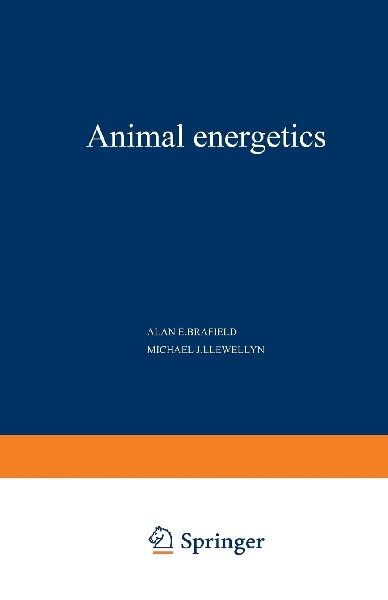
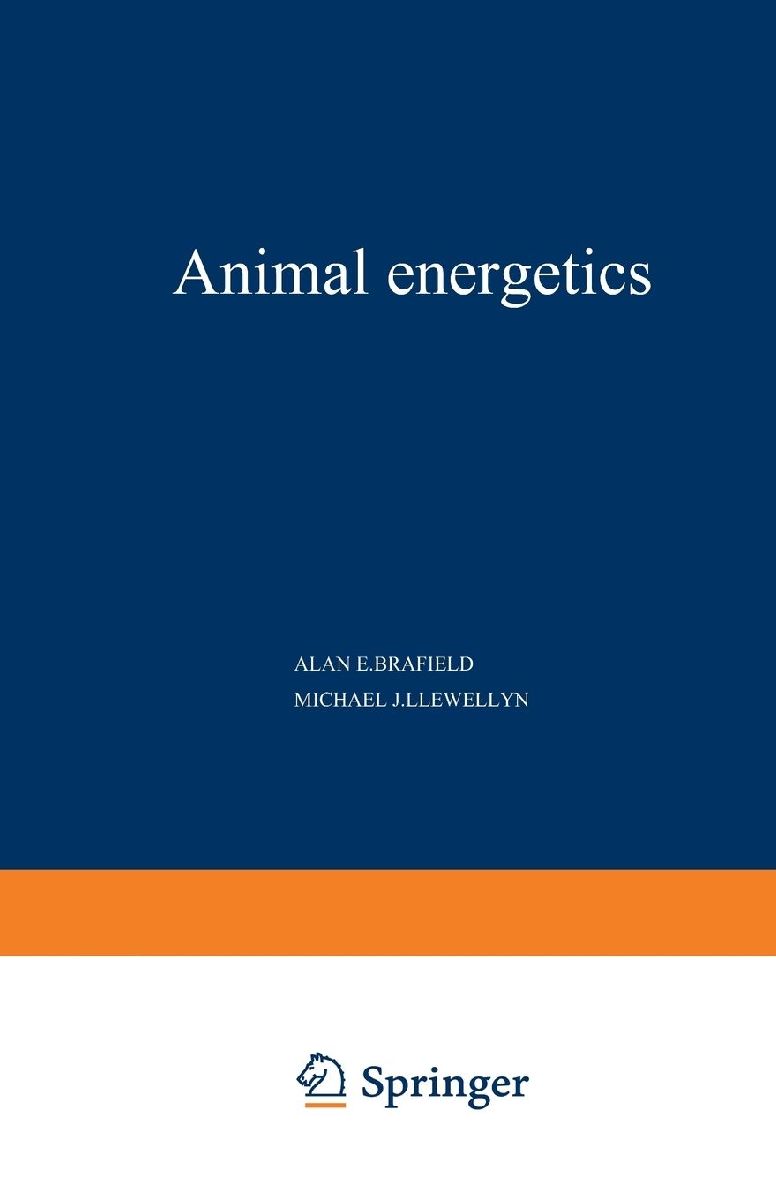
Animal Energetics

von Alan E. Brafield und Michael J. Llewellyn

Aus der Reihe Tertiary Level Biology

Einband
Kartoniert
Seiten
180
Sprache
Englisch
Erschienen
Dezember 2012
Verlag
Springer

Buchbeschreibung

All animals, from protozoans to primates, utilize energy in every aspect of their lives.

Metabolic processes transform energy within the living cells. Individual animals obtain energy with their food and use it in a variety of ways. Populations and communities pass energy through their ecosystem. The growing interest in animal energetics is therefore seen in three major areas of zoology-biochemistry, physiology and ecology.

Ganze Beschreibung lesenWeniger anzeigen

We have tried to describe the main features of almost all these aspects, with the aim of arousing or feeding an interest in energetics in general as well as supplying some information on particular parts of the subject. The substantial list of references is intended to guide the reader to larger or more specialized works.

In covering such a wide field in so small a compass we will have been guilty of over-generalizations, but we find when teaching energetics, whether physiological or ecological, that students easily lose sight of the principles if all statements are hedged about with every relevant condition and exception.

We have drawn examples from a wide range of animals, avoiding over-emphasis on mammals, but we have tended to favour those groups with which we are more familiar. We are grateful to many people for helpful discussions and in particular to Kenneth Denbigh, Derek Miller and John Stirling for valuable criticisms of parts of the manuscript. We are responsible for all remaining errors, of course, and will welcome having them drawn to our notice. A.E.B. M.J.L.

Inhaltsverzeichnis

  • 1. Energy and Energetics
  • 1.1 Entropy, free energy and enthalpy
  • 1.2 Work and heat
  • 1.3 The study of energetics
  • 2. The Energy Budget
  • 2.1 The thermodynamic basis of the energy budget
  • 2.2 Energy budget of an individual
  • 2.3 Energy budget of a population
Ganzes Inhaltsverzeichnis anzeigen (58 Einträge)Weniger anzeigen
  • 2.4 Energy flow in the ecosystem
  • 2.5 The energy budget as a basis for the study of animal energetics
  • 3. Energy Intake
  • 3.1 The energy available to animals
  • 3.2 Regulation of energy intake
  • 3.3 Maintenance rations
  • 3.4 Specific dynamic action
  • 3.5 Bomb calorimetry
  • 4. Energy Transformations within the Body
  • 4.1 Adenosine triphosphate (ATP)
  • 4.2 Production of ATP
  • 4.3 Muscle contraction
  • 4.4 Biosynthesis
  • 4.5 Active transport
  • 5. Respiratory Rate and the Rate of Heat Loss
  • 5.1 Direct and indirect calorimetry
  • 5.2 Muscular activity and the energy cost of locomotion
  • 5.3 Other sources of heat
  • 5.4 Thermoregulation
  • 6. Production
  • 6.1 The energy cost of growth
  • 6.2 Control of animal growth
  • 6.3 The partitioning of energy between growth and reproduction
  • 6.4 Strategies of reproduction
  • 6.5 Growth and reproduction rates
  • 6.6 The prediction of production from respiration and biomass data
  • 7. Energy of Waste Products
  • 7.1 Faeces
  • 7.2 Urine
  • 8. Energetics of Individuals and Populations
  • 8.1 Energy budgets for individual animals
  • 8.2 Energetic efficiencies
  • 8.3 Production and consumption
  • 8.4 Energy efficiency of an individual animal
  • 8.5 Energy efficiency of a population
  • 8.6 The construction and ecological value of population energy budgets
  • 9. Ecosystem Energetics
  • 9.1 Ecosystem energy models
  • 9.2 Ecosystem efficiency
  • 9.3 Lindeman's study of Cedar Bog Lake
  • 9.4 The energetics of Cone Spring
  • 9.5 The transfer of energy between trophic levels
  • 9.6 Changes in ecologicalenergy efficiencies at different trophic levels
  • 10. Energy and Food Production
  • 10.1 Energy and nutritional requirements of man
  • 10.2 The energetics of grain production
  • 10.3 The energetics of milk production
  • 10.4 The energetics of fisheries
  • 10.5 The overall energy efficiency of intensive agriculture
  • References

Details

Erscheinungstermin
Dezember 2012
Kategorie
Fremdsprachige Bücher
Einband
Kartoniert
Seiten
180
Sprache
Englisch
Verlag
Springer
Reihe
Tertiary Level Biology
Format
21,0 × 14,8 cm
Dicke
1,1 cm
Gewicht
241 g
EAN / ISBN-13
9781468406511
Maßstabsgetreu: Deckel und Buchrücken neben einer Hand (18 cm).
Versand und Rückgabe

Standardversand: 1 bis 3 Werktage, 3,99 €, kostenlos ab 35 €

Liefergebiet: Deutschland

Rücksendung: 14 Tage Widerrufsrecht. Bei einem Widerruf tragen Sie die Kosten der Rücksendung. Bei einer Falschlieferung oder einem Fehler von uns erstatten wir Ihnen das Rückporto. Den Widerruf erklären Sie über den Knopf „Vertrag widerrufen“ im Fuß der Seite.

Hersteller und ProduktsicherheitSpringer Nature Customer Service Center GmbH
Springer Nature Customer Service Center GmbH
Europaplatz 3
69115 Heidelberg
Deutschland
ProductSafety@springernature.com

Mehr aus der Reihe Tertiary Level Biology

Ähnliche Titel

Bewertungen

Zu diesem Titel gibt es noch keine Bewertung. Bewerten kann, wer ihn bei uns gekauft hat.
So prüfen wir Bewertungen
Eine Bewertung kann bei uns nur abgeben, wer den Titel über sein Kundenkonto bei uns gekauft hat. Jede Bewertung ist fest mit der zugehörigen Bestellung verknüpft; anders kommt sie technisch gar nicht zustande. Deshalb trägt jede angezeigte Bewertung den Hinweis „Verifizierter Kauf". Wir zeigen positive wie negative Bewertungen und löschen nur bei Rechtsverstößen. Für Bewertungen gibt es keine Gegenleistung.
53,49 €Voraussichtlich 1. bis 3. Dez.

Inhalte ab 18

Cover von Titeln für Erwachsene, etwa erotische Romane, Manga oder Comics, bleiben unscharf, bis Sie bestätigen. Die Bestätigung gilt für alle Seiten und Tabs, bis Sie den Browser schließen.

Zurück zum Katalog