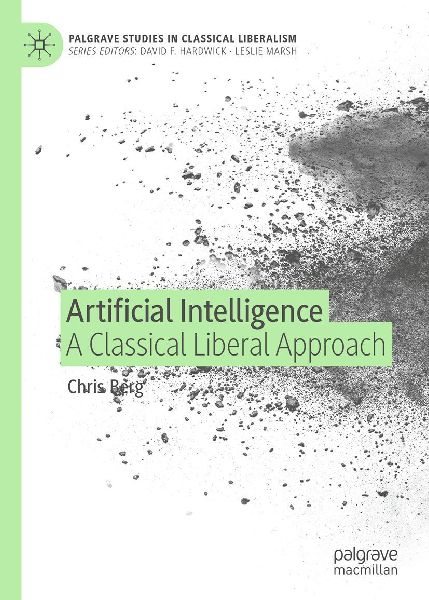
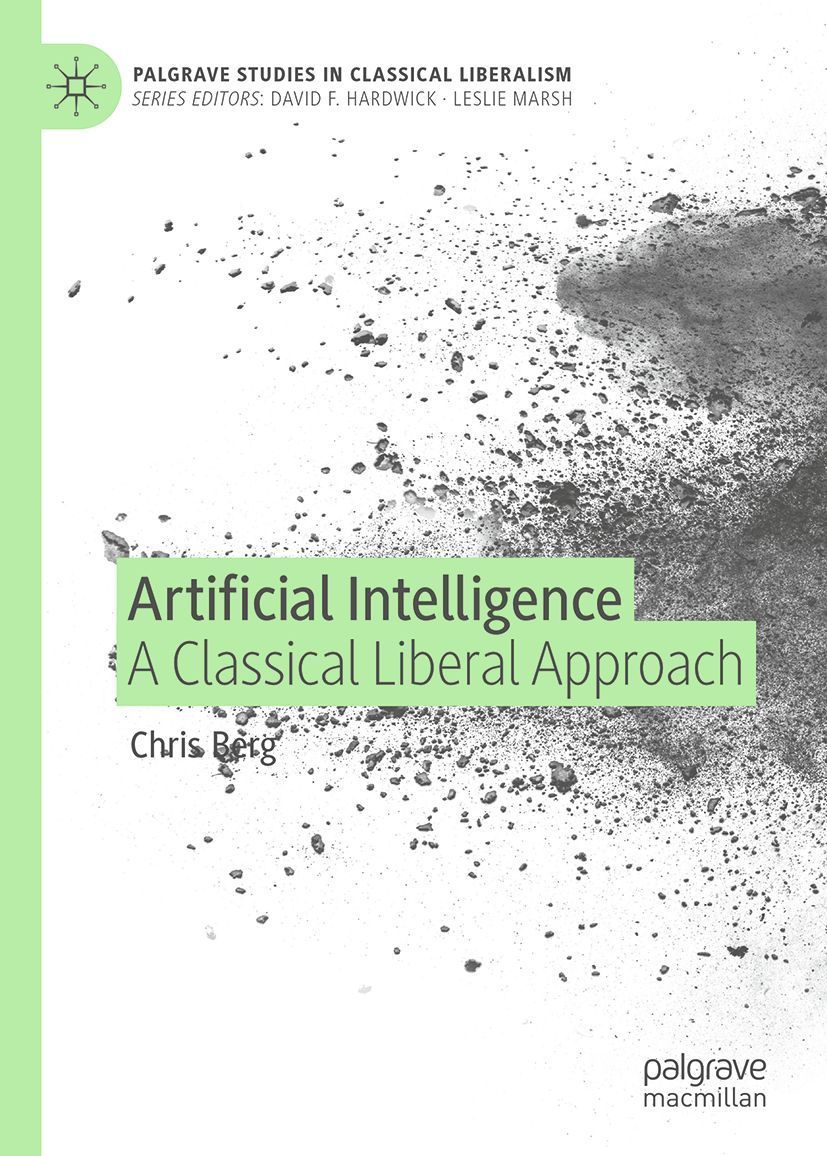
Artificial Intelligence
A Classical Liberal Approach
von Chris Berg
Aus der Reihe Palgrave Studies in Classical Liberalism
- Einband
- Gebunden
- Seiten
- 220
- Sprache
- Englisch
- Erschienen
- Oktober 2026
- Verlag
- Palgrave Macmillan
Buchbeschreibung
This book presents a classical liberal perspective on the governance and economic implications of artificial intelligence.
As generative AI transforms industries and institutions, this book reframes urgent debates on safety, regulation, labour, and autonomy through the lens of classical liberal economic and political philosophy.
Ganze Beschreibung lesenWeniger anzeigen
Drawing on Austrian economics, liberal growth theory, and institutional economics, this book argues that classical liberalism and its philosophical framework has not only historically inspired the design of artificial intelligence but also remains a critical guide for its future development and application.
From neural networks as emergent orders to AI agents as capital goods, the book explores how liberal principles can guide innovation, mitigate risk, and preserve individual rights. Chapters examine interpretability, the future of work, open-source commons, and the calculation debate, engaging with theorists such as Hayek, Kirzner, Simon, and Schumpeter.
The book proposes polycentric governance models for AI safety and rights protection, emphasizing pluralism, contestability, and due process over precautionary control.
This book will be an essential resource for scholars in political economy, law and economics, technology policy, and digital governance. It will also appeal to a broader readership interested in academically rigorous, liberal approaches to the challenges and opportunities of the intelligence explosion.
Inhaltsverzeichnis
- Chapter 1: Introduction
- Chapter 2: Design Versus Discovery in the Development of Artificial Intelligence
- Chapter 3: Artificial Intelligence as an Emergent Order
- Chapter 4: Intelligence and Prosperity
- Chapter 5: Agents and Agency
- Chapter 6: AI and the Calculation Debate
- Chapter 7: Alignment as an Institutional Problem
- Chapter 8: Doomerism and the Institutions of Liberty
- Chapter 9: Conclusion
Details
- Erscheinungstermin
- Oktober 2026
- Kategorie
- Fremdsprachige Bücher
- Einband
- Gebunden
- Seiten
- 220
- Sprache
- Englisch
- Verlag
- Palgrave Macmillan
- Reihe
- Palgrave Studies in Classical Liberalism
- Format
- 21,6 × 15,3 cm
- Dicke
- 1,7 cm
- Gewicht
- 364 g
- EAN / ISBN-13
- 9783032223098
Über Chris Berg
Chris Berg is Professor of Economics at RMIT University in Melbourne, Australia. He is the author of twelve books, including Institutional Acceleration (Cambridge University Press 2025), Understanding …
Mehr über Chris BergWeniger anzeigen
He is the author of twelve books, including Institutional Acceleration (Cambridge University Press 2025), Understanding the Blockchain Economy (Edward Elgar, 2019), The Classical Liberal Case for Privacy in a World of Surveillance and Technological Change (2018) and The Libertarian Alternative (Melbourne University Press, 2016). He has published more than 30 peer reviewed papers including in top journals, across the areas of free markets and individual liberty, regulation, technological change, and civil liberties.
Versand und Rückgabe
Standardversand: 1 bis 3 Werktage, 3,99 €, kostenlos ab 35 €
Liefergebiet: Deutschland
Rücksendung: 14 Tage Widerrufsrecht. Bei einem Widerruf tragen Sie die Kosten der Rücksendung. Bei einer Falschlieferung oder einem Fehler von uns erstatten wir Ihnen das Rückporto. Den Widerruf erklären Sie über den Knopf „Vertrag widerrufen“ im Fuß der Seite.
Hersteller und ProduktsicherheitSpringer Nature Customer Service Center GmbH
Springer Nature Customer Service Center GmbH
Europaplatz 3
69115 Heidelberg
Deutschland
ProductSafety@springernature.com
Mehr von Chris Berg



Mehr aus der Reihe Palgrave Studies in Classical Liberalism

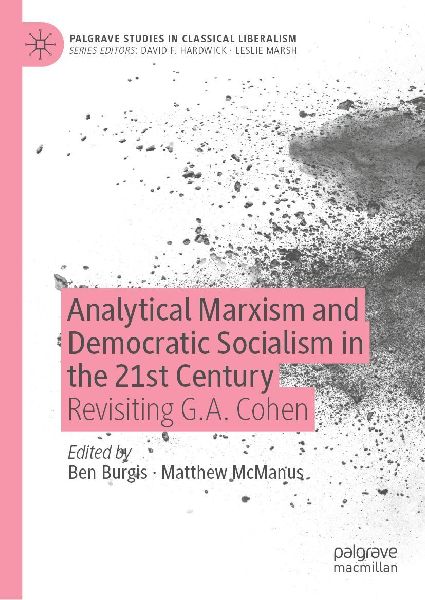
Analytical Marxism and Democratic Socialism in the 21st Century
Ben Burgis (Hrsg.)
Gebunden, Englisch
149,79 €
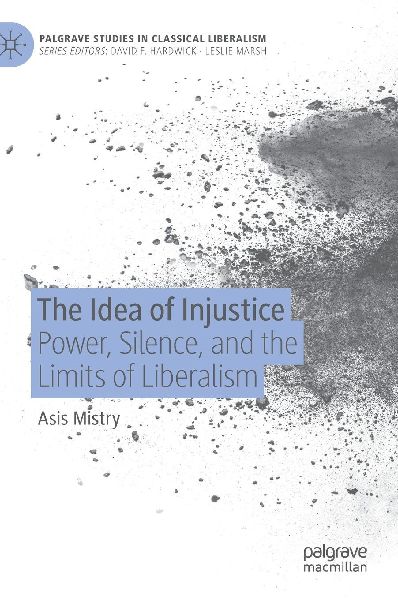
Ähnliche Titel




Bewertungen
Zu diesem Titel gibt es noch keine Bewertung. Bewerten kann, wer ihn bei uns gekauft hat.
So prüfen wir Bewertungen
Eine Bewertung kann bei uns nur abgeben, wer den Titel über sein Kundenkonto bei uns gekauft hat. Jede Bewertung ist fest mit der zugehörigen Bestellung verknüpft; anders kommt sie technisch gar nicht zustande. Deshalb trägt jede angezeigte Bewertung den Hinweis „Verifizierter Kauf". Wir zeigen positive wie negative Bewertungen und löschen nur bei Rechtsverstößen. Für Bewertungen gibt es keine Gegenleistung.
117,69 €Voraussichtlich 3. bis 7. Dez.