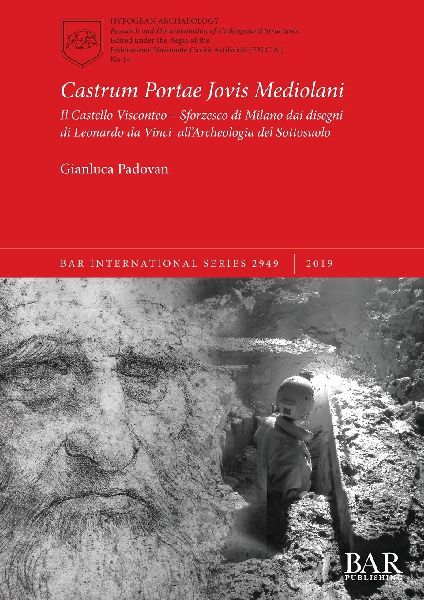
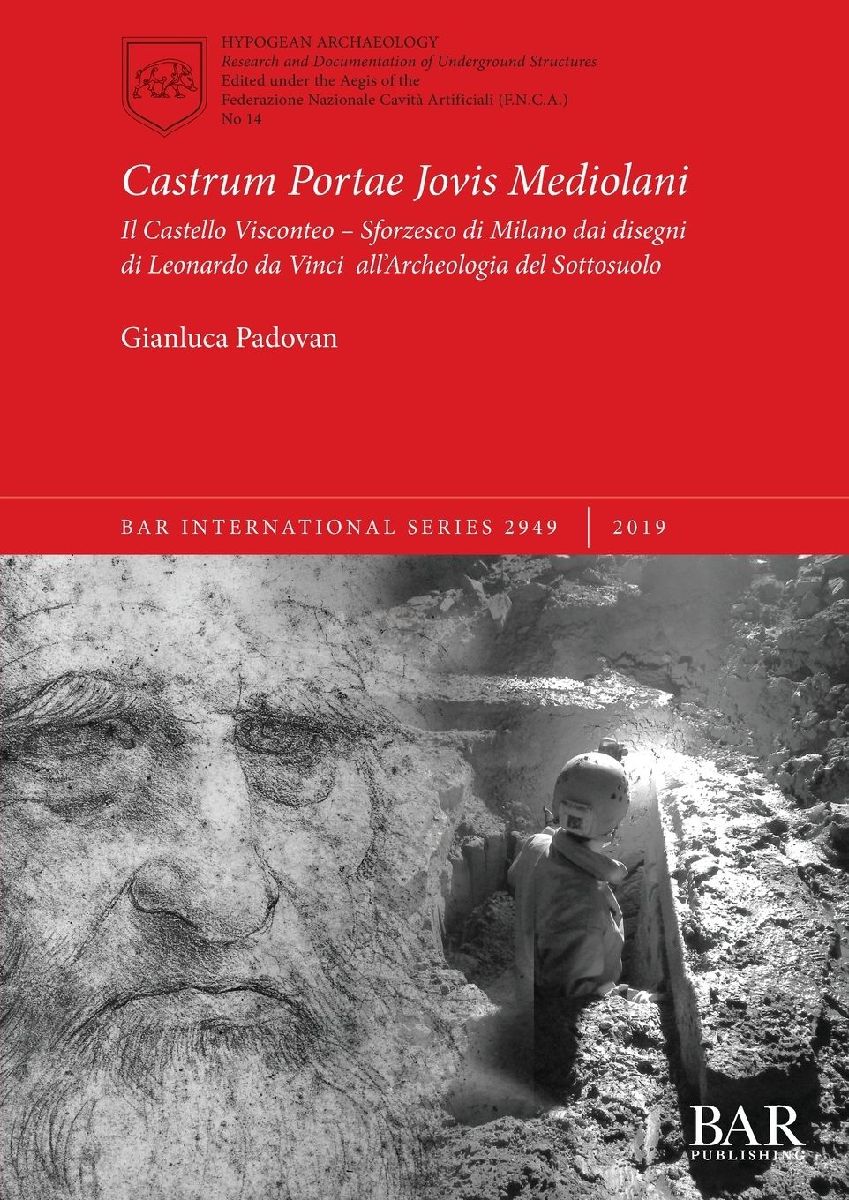
Castrum Portae Jovis Mediolani
Il Castello Visconteo - Sforzesco di Milano dai disegni di Leonardo da Vinci all'Archeologia del Sottosuolo
von Gianluca Padovan
- Einband
- Kartoniert
- Seiten
- 416
- Sprache
- Italienisch
- Erschienen
- August 2019
- Verlag
- British Archaeological Reports (Oxford) Ltd
Buchbeschreibung
Il Castello di Milano è un’opera medievale voluta dai Visconti e potenziata dagli Sforza.
Oggi è sede di biblioteche, musei e raccolte d’arte, ma rimane una formidabile "macchina da combattimento", dove hanno lavorato tra i migliori architetti e ingegneri italiani. I soli studi d’epoca medievale riguardanti la Fortezza, a oggi noti, sono di Leonardo da Vinci, il quale ne ha esaminato le difese, comprensive delle parti sotterranee, prospettando i miglioramenti.
Ganze Beschreibung lesenWeniger anzeigen
Trent’anni d’indagini speleologiche condotte innanzitutto nei suoi sotterranei hanno permesso di eseguire le planimetrie dell’articolato sistema, composto anche di canali d’acqua segreti, mettendole a confronto con i disegni leonardeschi. Si è così compreso che una parte della Fortezza non è stata demolita, ma solo "cimata": oggi nel sottosuolo esiste un patrimonio archeologico, architettonico e artistico inestimabile, ma da recuperare integralmente.
Il lavoro presenta un metodo d’indagine multidisciplinare che può essere facilmente applicato allo studio di ogni altra fortificazione europea. The castle of Milan is a medieval work commissioned by the Visconti and developed by the Sforza. Today it is intended for cultural functions but its origins are those of a formidable "combat machine".
Some of the best Italian architects and engineers worked on the creation of the castle. The only studies known about the fortress, belonging to the medieval age, are by Leonardo da Vinci. He examined the defences, including the underground parts, looking for improvements. Thirty years of speleological investigations, first of all conducted in its basements, and also concerning secret water channels, have allowed us to carry out the plans of the complex system and to compare them with Leonardo's drawings.
This has made it clear to the author that a part of the Fortress has not been demolished, but only "cut" in the surface. Today there is an invaluable archaeological, architectural and artistic heritage to be fully recovered. The work presents a method of multidisciplinary investigation that can be applied to the study of any other European fortification.
Details
- Erscheinungstermin
- August 2019
- Kategorie
- Fremdsprachige Bücher
- Einband
- Kartoniert
- Seiten
- 416
- Sprache
- Italienisch
- Verlag
- British Archaeological Reports (Oxford) Ltd
- Format
- 29,7 × 21,0 cm
- Dicke
- 2,7 cm
- Gewicht
- 1.593 g
- EAN / ISBN-13
- 9781407356129
Versand und Rückgabe
Standardversand: 1 bis 3 Werktage, 3,99 €, kostenlos ab 35 €
Liefergebiet: Deutschland
Rücksendung: 14 Tage Widerrufsrecht. Bei einem Widerruf tragen Sie die Kosten der Rücksendung. Bei einer Falschlieferung oder einem Fehler von uns erstatten wir Ihnen das Rückporto. Den Widerruf erklären Sie über den Knopf „Vertrag widerrufen“ im Fuß der Seite.
Hersteller und ProduktsicherheitBritish Archaeological Reports (Oxford) Ltd
British Archaeological Reports (Oxford) Ltd
Europaallee 1
36244 Bad Hersfeld
Deutschland
gpsr@libri.de
Verantwortliche Person in der EU
Libri GmbHEuropaallee 1
36244 Bad Hersfeld
Deutschland
gpsr@libri.de
Mehr von Gianluca Padovan
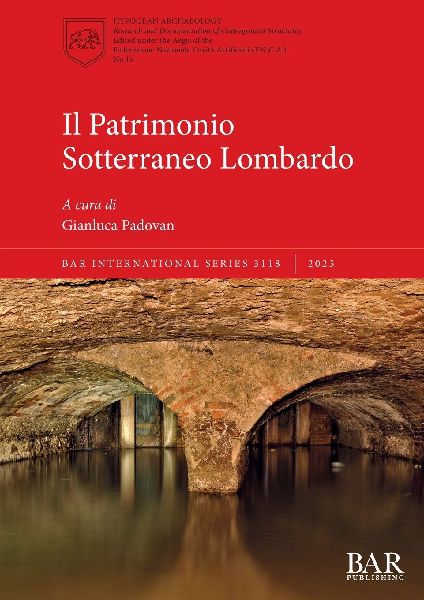
Ähnliche Titel
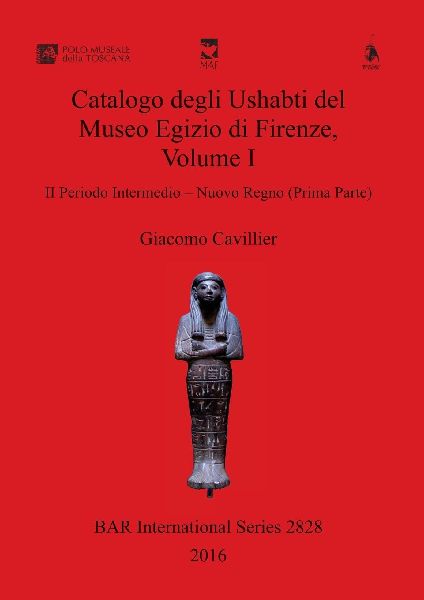
Catalogo degli Ushabti del Museo Egizio di Firenze, Volume I
Giacomo Cavillier
Kartoniert, Italienisch
183,50 €
Acque Sorgive Salutari e Sacre in Etruria (Italiae Regio VII)
Riccardo Chellini
Kartoniert, Italienisch
143,70 €
Bewertungen
Zu diesem Titel gibt es noch keine Bewertung. Bewerten kann, wer ihn bei uns gekauft hat.
So prüfen wir Bewertungen
Eine Bewertung kann bei uns nur abgeben, wer den Titel über sein Kundenkonto bei uns gekauft hat. Jede Bewertung ist fest mit der zugehörigen Bestellung verknüpft; anders kommt sie technisch gar nicht zustande. Deshalb trägt jede angezeigte Bewertung den Hinweis „Verifizierter Kauf". Wir zeigen positive wie negative Bewertungen und löschen nur bei Rechtsverstößen. Für Bewertungen gibt es keine Gegenleistung.
238,90 €Voraussichtlich 3. bis 7. Dez.