Risk Analysis Foundations, Models, and Methods
Louis Anthony Cox Jr.
Gebunden, Englisch, 2 Ausgaben
ab 160,49 €
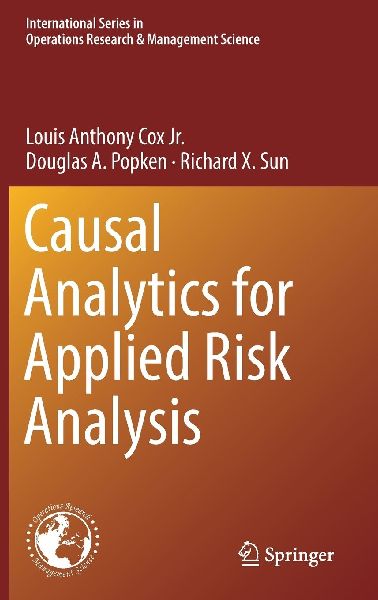
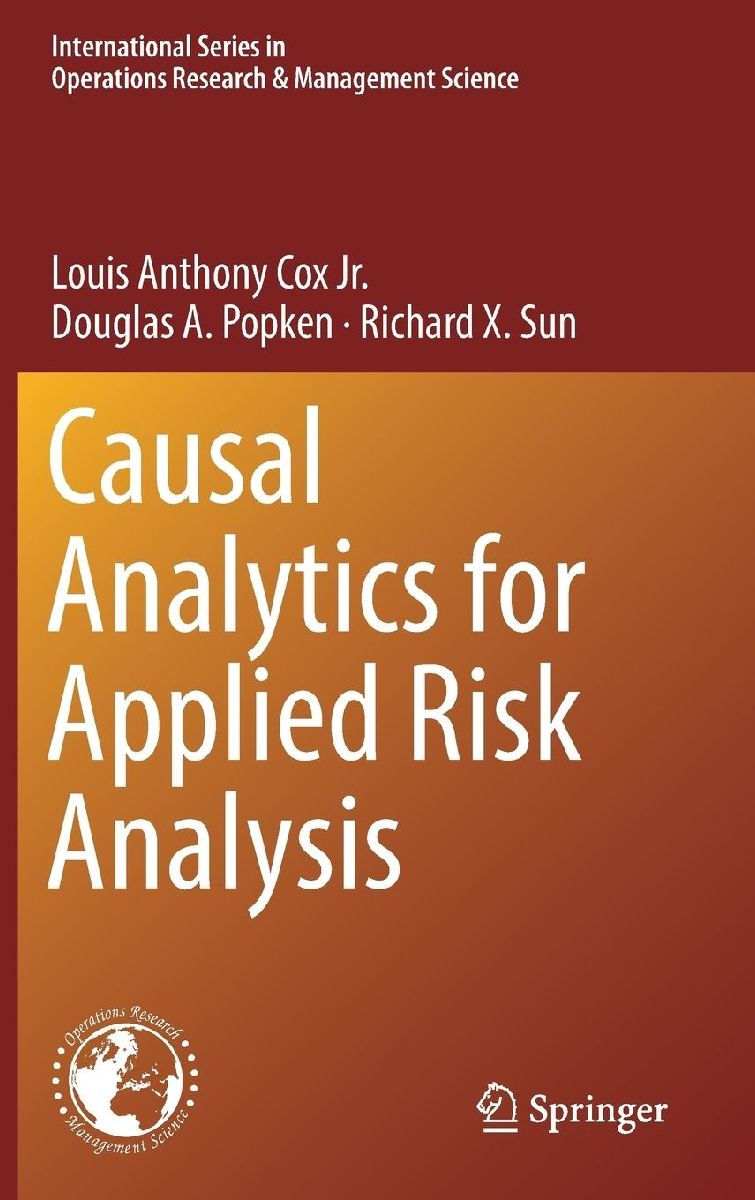
von Louis Anthony Cox Jr., Douglas A. Popken und Richard X. Sun
Aus der Reihe International Series in Operations Research & Management Science
Causal analytics methods can revolutionize the use of data to make effective decisions by revealing how different choices affect probabilities of various outcomes.
This book presents and illustrates models, algorithms, principles, and software for deriving causal models from data and for using them to optimize decisions with uncertain outcomes.
It discusses how to describe and summarize situations; detect changes; evaluate effects of policies or interventions; learn what works best under different conditions; predict values of as-yet unobserved quantities from available data; and identify the most likely explanations for observed outcomes, including surprises and anomalies.
The book resents practical techniques for causal modeling and analytics that practitioners can apply to improve understanding of how choices affect probabilities of consequences and, based on this understanding, to recommend choices that are more likely to accomplish their intended objectives.
The book begins with a survey of modern analytics methods, focusing mainly on techniques useful for decision, risk, and policy analysis. Chapter 2 introduces free in-browser software, including the Causal Analytics Toolkit (CAT) software, to enable readers to perform the analyses described and to apply modern analytics methods easily to their own data sets.
Chapters 3 through 11 show how to apply causal analytics and risk analytics to practical risk analysis challenges, mainly related to public and occupational health risks from pathogens in food or from pollutants in air. Chapters 12 through 15 turn to broader questions of how to improve risk management decision-making by individuals, groups, organizations, institutions, and multi-generation societies with different cultures and norms for cooperation.
These chapters examine organizational learning, community resilience, societal risk management, and intergenerational collaboration and justice in managing risks.
Louis Anthony Cox Jr. is a Professor of Business Analytics at the University of Colorado, USA; Chief Digital Intelligence Officer at Entanglement, Inc.; and President of Cox Associates, a Denver-based …
is a Professor of Business Analytics at the University of Colorado, USA; Chief Digital Intelligence Officer at Entanglement, Inc.; and President of Cox Associates, a Denver-based applied research company specializing in artificial intelligence and machine learning; health, safety, and environmental risk analysis; epidemiology; policy analytics; data science; and operations research. Dr. Cox is Editor-in-Chief of Risk Analysis: An International Journal. He is a member of the National Academy of Engineering, a Fellow of the Institute for Operations Research and Management Science (INFORMS), and a Fellow of the Society for Risk Analysis (SRA). He has authored and co-authored over 200 journal articles and numerous books and chapters in these fields. He holds over a dozen US patents on applications of artificial intelligence, signal processing, statistics, and operations research in telecommunications. His current research interestsinclude computational statistical methods for causal inference in public health risk analysis, data mining, and advanced analytics for risk management, business, and public policy applications.
Standardversand: 1 bis 3 Werktage, 3,99 €, kostenlos ab 35 €
Liefergebiet: Deutschland
Rücksendung: 14 Tage Widerrufsrecht. Bei einem Widerruf tragen Sie die Kosten der Rücksendung. Bei einer Falschlieferung oder einem Fehler von uns erstatten wir Ihnen das Rückporto. Den Widerruf erklären Sie über den Knopf „Vertrag widerrufen“ im Fuß der Seite.
Louis Anthony Cox Jr.
Gebunden, Englisch, 2 Ausgaben
ab 160,49 €
Louis Anthony Cox Jr.
Kartoniert, Englisch, 2 Ausgaben
ab 192,59 €
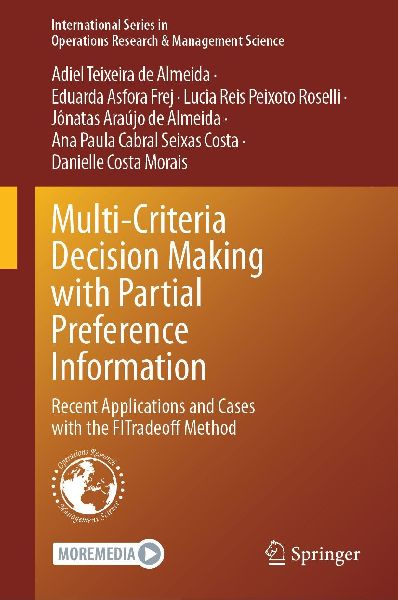
Adiel Teixeira de Almeida
Gebunden, Englisch
160,49 €
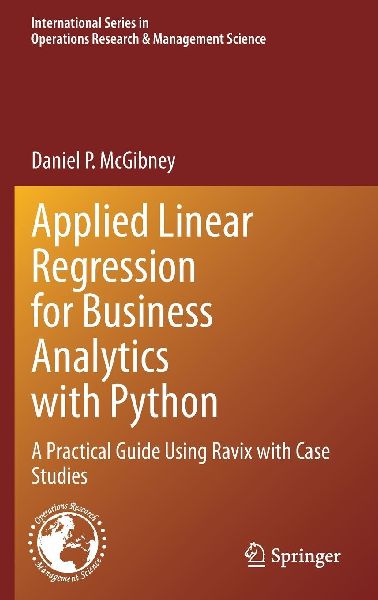
Daniel P. McGibney
Gebunden, Englisch
106,99 €
Gonzalo E. Constante-Flores
Kartoniert, Englisch, 2 Ausgaben
ab 90,94 €
Constantin Zopounidis (Hrsg.)
Gebunden, Englisch, 2 Ausgaben
ab 106,99 €
Zu diesem Titel gibt es noch keine Bewertung. Bewerten kann, wer ihn bei uns gekauft hat.