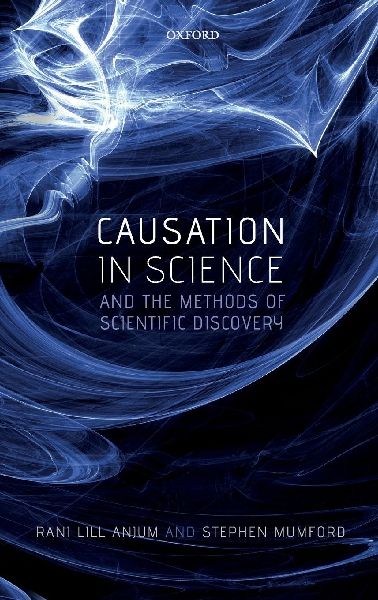
Causation in Science and the Methods of Scientific Discovery
von Rani Lill Anjum und Stephen Mumford
- Einband
- Gebunden
- Seiten
- 296
- Sprache
- Englisch
- Erschienen
- Dezember 2018
- Verlag
- OXFORD UNIV PR
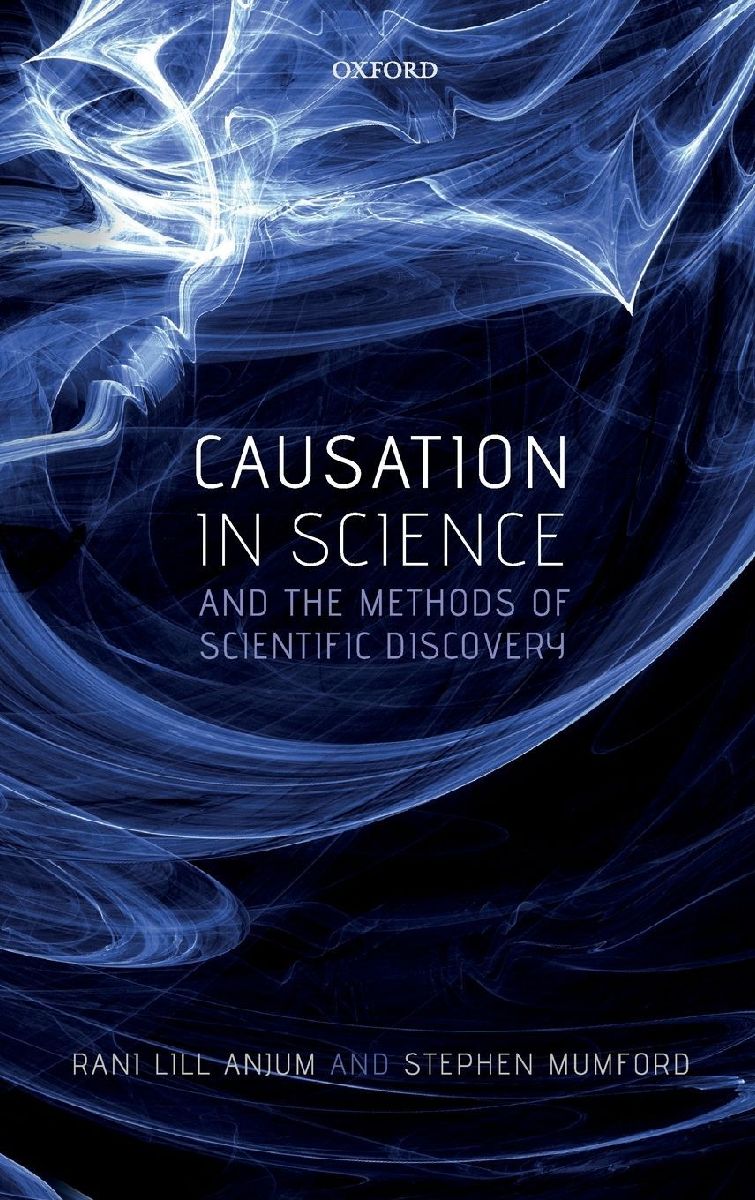
Buchbeschreibung
Some of the chief goals of science - understanding, explanation, prediction, and application in new technologies - can only be conducted with any purpose if the world has some significant degree of constancy in what follows from what. While causal questions are relevant to all sciences and social sciences, how we discover causal connections is no easy matter.
Ganze Beschreibung lesenWeniger anzeigen
What is the source of such predictability and how does it operate? This is a question that goes beyond science itself and requires a philosophical approach. Causation is the main foundation upon which the possibility of science rests, but what methods should we adopt in order to identify causes in science?
Causation often lies hidden and, as we must work to uncover it, it is vital we adopt the right methods in science for doing so and that we have a good philosophical understanding of what causation is. The choice of methods will inevitably reflect what one takes causation to be, making an accurate account of causation an even more pressing matter, as the enquiry concerns the correct norms for the empirical study of the world.
In Causation in Science and the Methods of Scientific Discovery, Rani Lill Anjum and Stephen Mumford propose nine new norms of scientific discovery, recognising that some of the greatest challenges that we face can only be solved if we understand what has caused the problem and what, if anything, could then cause its alleviation.
Inhaltsverzeichnis
- I. Science and Philosophy-
- 1: Metascience and Better Science-
- 2: Do We Need Causation in Science?-
- 3: Evidence of Causation is Not Causation- II. Perfect Correlation-
- 4: What s in a Correlation?-
- 5: Same Cause, Same Effect-
- 6: Under Ideal Conditions-
- 7: One Effect, One Cause?- III. Interference and Prevention-
Ganzes Inhaltsverzeichnis anzeigen (29 Einträge)Weniger anzeigen
- 8: Have Your Cause and Beat It-
- 9: From Regularities to Tendencies-
- 10: The Modality of Causation- IV. Causal Mechanisms-
- 11: Is the Business of Science to Construct Theories?-
- 12: Is More Data Better?-
- 13: The Explanatory Power of Mechanisms-
- 14: Digging Deeper to Find the Real Causes?- V. Linking Causes to Effects-
- 15: Making a Difference-
- 16: Making Nothing Happen-
- 17: It All Started With a Big Bang-
- 18: Does Science Need Laws of Nature?- VI. Probability-
- 19: Uncertainty, Certainty and Beyond-
- 20: What Probabilistic Causation Should Be-
- 21: Calculating Conditional Probability?- VII. External Validity-
- 22: Risky Predictions-
- 23: What RCTs Do Not Show- VIII. Discovering Causes and Understanding Them-
- 24: Getting Involved-
- 25: Uncovering Causal Powers-
- 26: Learning From Causal Failure-
- 27: Plural Methods, One Causation-
- 28: Getting Real About the Ideals of Science- Conclusion: New Norms of Science
Details
- Erscheinungstermin
- Dezember 2018
- Kategorie
- Fremdsprachige Bücher
- Einband
- Gebunden
- Seiten
- 296
- Sprache
- Englisch
- Verlag
- OXFORD UNIV PR
- Format
- 24,0 × 16,1 cm
- Dicke
- 2,1 cm
- Gewicht
- 561 g
- EAN / ISBN-13
- 9780198733669
Über Rani Lill Anjum
Rani Lill Anjum is Researcher in Philosophy and Director of the Centre for Applied Philosophy of Science (CAPS) at the Norwegian University of Life Sciences (NMBU).
Mehr über Rani Lill AnjumWeniger anzeigen
She was postdoctoral fellow at the universities of Tromsø and Nottingham, the result of which was Getting Causes from Powers (Oxford 2011) with Stephen Mumford. At NMBU, she then led the Causation in Science research project and co-wrote Causation: A Very Short Introduction (Oxford 2013) and What Tends to Be: the Philosophy of Dispositional Modality (Routledge, 2018), both with Stephen Mumford. She currently leads the research project Causation, Complexity and Evidence in Health Sciences (Cause
Health), funded by the Research Council of Norway (NFR).Stephen Mumford is Professor of Metaphysics in the Department of Philosophy at Durham University as well as Professor II at Norwegian University of Life Sciences (NMBU). He is the author of Dispositions (Oxford 1998), Russell on Metaphysics (Routledge 2003), Laws in Nature (Routledge 2004), David Armstrong (Acumen 2007), Watching Sport: Aesthetics, Ethics and Emotion (Routledge 2011), Getting Causes from Powers (Oxford 2011, with Rani Lill Anjum), Metaphysics: A Very Short Introduction (Oxford 2012), Causation: A Very Short Introduction (Oxford 2013, with Rani Lill Anjum), Glimpse of Light (Bloomsbury, 2017) and What Tends to Be (Routledge 2018, with Rani Lill Anjum).
Versand und Rückgabe
Standardversand: 1 bis 3 Werktage, 3,99 €, kostenlos ab 35 €
Liefergebiet: Deutschland
Rücksendung: 14 Tage Widerrufsrecht. Bei einem Widerruf tragen Sie die Kosten der Rücksendung. Bei einer Falschlieferung oder einem Fehler von uns erstatten wir Ihnen das Rückporto. Den Widerruf erklären Sie über den Knopf „Vertrag widerrufen“ im Fuß der Seite.
Hersteller und ProduktsicherheitOXFORD UNIV PR
OXFORD UNIV PR
Europaallee 1
36244 Bad Hersfeld
Deutschland
gpsr@libri.de
Verantwortliche Person in der EU
Libri GmbHEuropaallee 1
36244 Bad Hersfeld
Deutschland
gpsr@libri.de
Mehr von Rani Lill Anjum
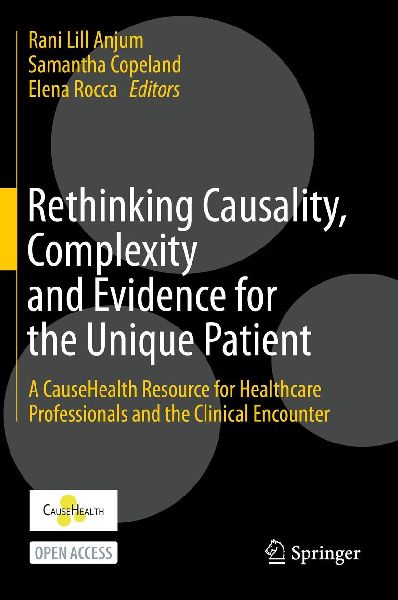
Rethinking Causality, Complexity and Evidence for the Unique Patient
Rani Lill Anjum (Hrsg.)
Gebunden, Englisch, 2 Ausgaben
ab 53,49 €
Ähnliche Titel



Bewertungen
Zu diesem Titel gibt es noch keine Bewertung. Bewerten kann, wer ihn bei uns gekauft hat.
So prüfen wir Bewertungen
Eine Bewertung kann bei uns nur abgeben, wer den Titel über sein Kundenkonto bei uns gekauft hat. Jede Bewertung ist fest mit der zugehörigen Bestellung verknüpft; anders kommt sie technisch gar nicht zustande. Deshalb trägt jede angezeigte Bewertung den Hinweis „Verifizierter Kauf". Wir zeigen positive wie negative Bewertungen und löschen nur bei Rechtsverstößen. Für Bewertungen gibt es keine Gegenleistung.
121,70 €Voraussichtlich 4. bis 8. Dez.