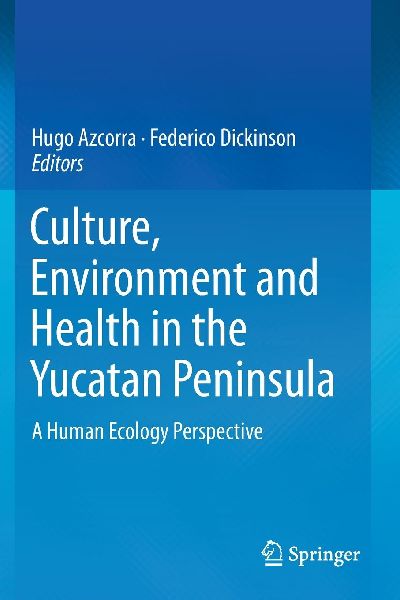
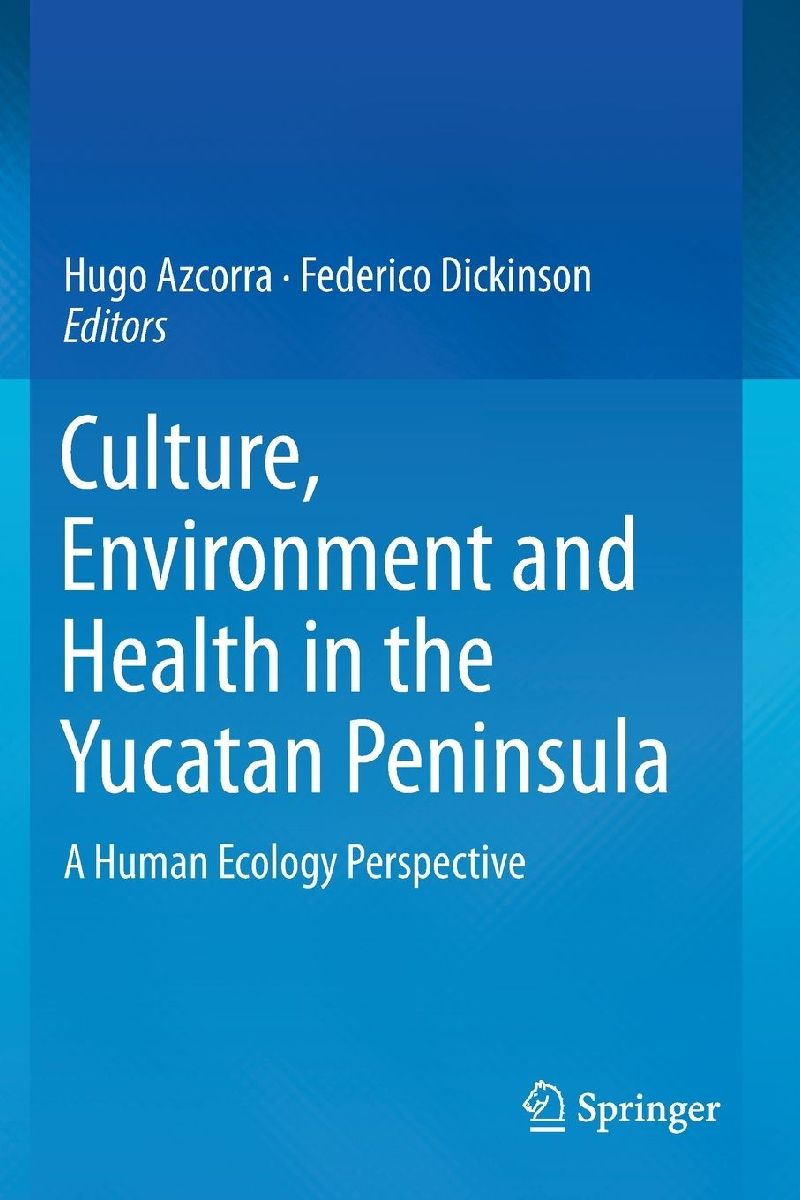
Culture, Environment and Health in the Yucatan Peninsula
A Human Ecology Perspective
Herausgegeben von: Hugo Azcorra, Herausgegeben von: Federico Dickinson
- Einband
- Kartoniert
- Seiten
- 352
- Sprache
- Englisch
- Erschienen
- Januar 2021
- Verlag
- Springer
Buchbeschreibung
Introduction.
Ganze Beschreibung lesenWeniger anzeigen
- The thin broken line. History, society, and the environment on the Yucatan Peninsula.
- Globalization and children's diets: The case of Yucatan, Mexico.
- Growth stunting and low height-for-age in the Yucatan Peninsula.
- The urban Maya from Yucatan; dealing with the biological burden of the past and a degenerative present.
- A critical biocultural perspective on tourism and the nutrition transition in the Yucatan.
- Effect of salaried work in cities and commercial agriculture on natural fertility in rural Maya women from the Yucatan Peninsula, Mexico.
- Association between early developmental stress, as evidenced by linear enamel hypoplasias (LEHs), and body composition during adolescence in agricultural populations with different access to store foods and gendered activity patterns.
- Hydration, lactation, and child health outcomes in Yucatec Maya.
- Patterns of activity and somatic symptoms among urban and rural women at midlife in the state of Campeche, Mexico.
- Environmental and cultural stressors in the coastal northern Maya lowlands in pre-Hispanic times.
- History of health and life of pre-hispanic Maya through their skeletal remains.
- Crossing the threshold of modern life. Comparing disease patterns between two documented urban cemetery series from the city of Merida, Yucatan, Mexico.
- Health and wellbeing in the Yucatan Peninsula revisited with a human ecology perspective.
- Hair mercury content in an adult population of Merida, Yucatan Mexico as a function of anthropometric measures and seafood consumption.
- Tackling exposure to Chagas Disease in the Yucatan from a human ecology perspective.
- Conclusions.
Inhaltsverzeichnis
- Introduction
- The thin broken line. History, society, and the environment on the Yucatan Peninsula
- Globalization and children's diets: The case of Yucatan, Mexico
- Growth stunting and low height-for-age in the Yucatan Peninsula
- The urban Maya from Yucatan; dealing with the biological burden of the past and a degenerative present
- A critical biocultural perspective on tourism and the nutrition transition in the Yucatan
- Effect of salaried work in cities and commercial agriculture on natural fertility in rural Maya women from the Yucatan Peninsula, Mexico
- Association between early developmental stress, as evidenced by linear enamel hypoplasias (LEHs), and body composition during adolescence in agricultural populations with different access to store foods and gendered activity patterns
Ganzes Inhaltsverzeichnis anzeigen (17 Einträge)Weniger anzeigen
- Hydration, lactation, and child health outcomes in Yucatec Maya
- Patterns of activity and somatic symptoms among urban and rural women at midlife in the state of Campeche, Mexico
- Environmental and cultural stressors in the coastal northern Maya lowlands in pre-Hispanic times
- History of health and life of pre-hispanic Maya through their skeletal remains
- Crossing the threshold of modern life. Comparing disease patterns between two documented urban cemetery series from the city of Merida, Yucatan, Mexico
- Health and wellbeing in the Yucatan Peninsula revisited with a human ecology perspective
- Hair mercury content in an adult population of Merida, Yucatan Mexico as a function of anthropometric measures and seafood consumption
- Tackling exposure to Chagas Disease in the Yucatan from a human ecology perspective
- Conclusions
Details
- Erscheinungstermin
- Januar 2021
- Kategorie
- Fremdsprachige Bücher
- Einband
- Kartoniert
- Seiten
- 352
- Sprache
- Englisch
- Verlag
- Springer
- Format
- 23,5 × 15,5 cm
- Dicke
- 2,0 cm
- Gewicht
- 534 g
- EAN / ISBN-13
- 9783030270032
Über Hugo Azcorra (Hrsg.)
Hugo Azcorra is a human biologist working in the the Department of Human Ecology at the Center for Research and Advanced Studies of the National Polytechnic Institute in Merida, Mexico (Cinvestav-Merida).
Mehr über Hugo Azcorra (Hrsg.)Weniger anzeigen
He is interested in the biology of populations during early stages of growth and development and how biological conditions are shaped by environmental factors and intergenerational influences. The most of his research have been focused on how chronic adverse living conditions experienced by Mayan populations from Yucatan have impacted their biological conditions.
Federico Dickinson is a Mexican biological anthropologist and human ecologist with a Sc. D. from the Polish Academy of Sciences. Dr. Dickinson is the founder of the Department of Human Ecology at the Center for Research and Advanced Studies of the National Polytechnic Institute in Merida, Mexico (Cinvestav-Merida), where he has developed his research lines on human growth inthe last 33 years.
Versand und Rückgabe
Standardversand: 1 bis 3 Werktage, 3,99 €, kostenlos ab 35 €
Liefergebiet: Deutschland
Rücksendung: 14 Tage Widerrufsrecht. Bei einem Widerruf tragen Sie die Kosten der Rücksendung. Bei einer Falschlieferung oder einem Fehler von uns erstatten wir Ihnen das Rückporto. Den Widerruf erklären Sie über den Knopf „Vertrag widerrufen“ im Fuß der Seite.
Hersteller und ProduktsicherheitSpringer Nature Customer Service Center GmbH
Springer Nature Customer Service Center GmbH
Europaplatz 3
69115 Heidelberg
Deutschland
ProductSafety@springernature.com
Ähnliche Titel

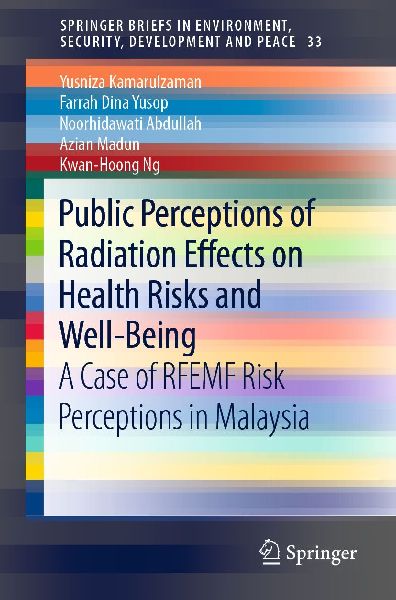
Public Perceptions of Radiation Effects on Health Risks and Well-Being
Yusniza Kamarulzaman
Kartoniert, Englisch
58,84 €
Sustainable Development and Rural Public Health
Michael Hendryx (Hrsg.)
Kartoniert, Englisch, 2 Ausgaben
ab 74,89 €
Bewertungen
Zu diesem Titel gibt es noch keine Bewertung. Bewerten kann, wer ihn bei uns gekauft hat.
So prüfen wir Bewertungen
Eine Bewertung kann bei uns nur abgeben, wer den Titel über sein Kundenkonto bei uns gekauft hat. Jede Bewertung ist fest mit der zugehörigen Bestellung verknüpft; anders kommt sie technisch gar nicht zustande. Deshalb trägt jede angezeigte Bewertung den Hinweis „Verifizierter Kauf". Wir zeigen positive wie negative Bewertungen und löschen nur bei Rechtsverstößen. Für Bewertungen gibt es keine Gegenleistung.
106,99 €Voraussichtlich 2. bis 4. Dez.