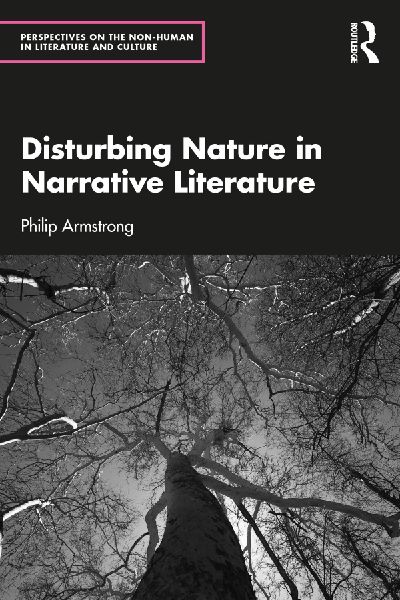
Disturbing Nature in Narrative Literature
von Philip Armstrong
Aus der Reihe Perspectives on the Non-Human in Literature and Culture
- Einband
- Kartoniert
- Seiten
- 252
- Sprache
- Englisch
- Erschienen
- Mai 2026
- Verlag
- Routledge
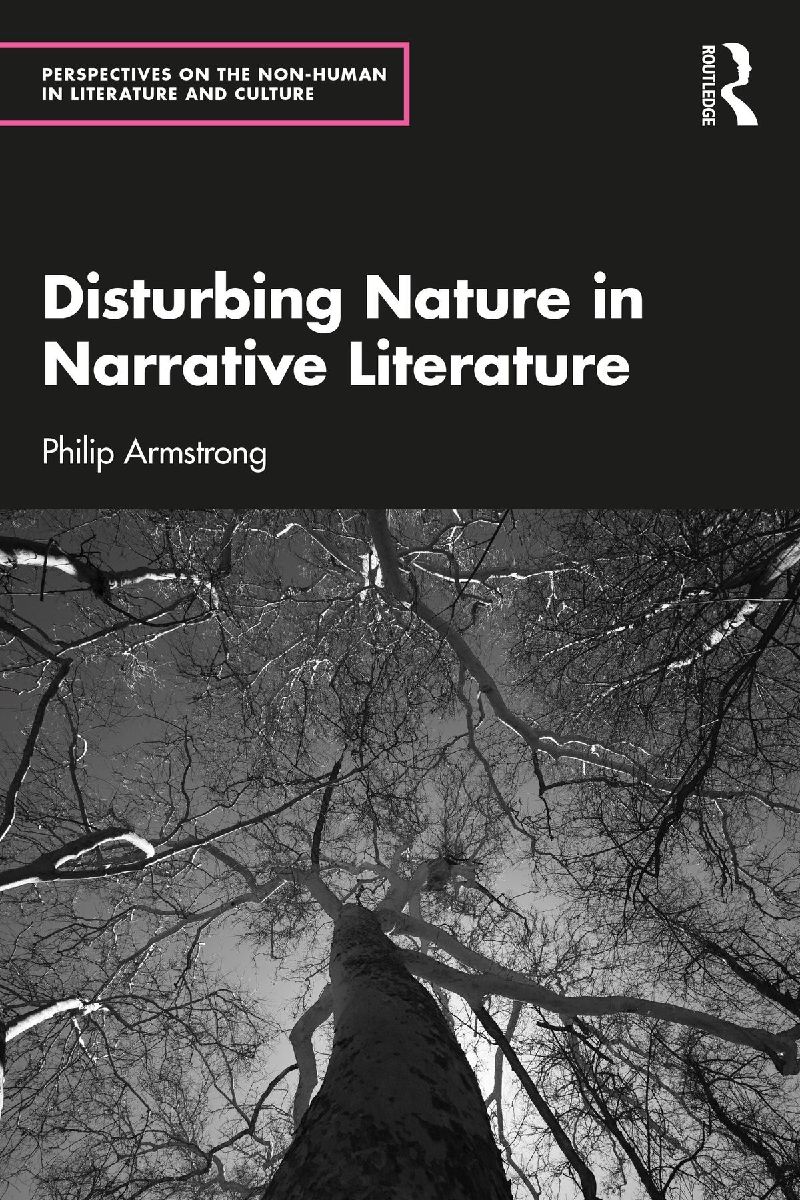
Buchbeschreibung
Disturbing Nature in Narrative Literature identifies and analyses encounters with unexpected, disconcerting, and unsettling aspects of the natural world, as these have been represented across a wide range of literary texts. It includes in¿depth discussion of both familiar and less familiar works from the British, American, and European literary traditions, and from the Classical period to today.
Ganze Beschreibung lesenWeniger anzeigen
The motifs discussed include earthquakes, forests, storms, animals, and oceanic depth, and the writers include Virgil, Ovid, Dante, Shakespeare, Aphra Behn, Voltaire, Heinrich von Kleist, Herman Melville, H.G. Wells, J.R.R. Tolkien, Gabriel García Márquez, José Saramago, Margaret Atwood, and Annie Proulx.
Rich in both close textual analysis and contextual discussion, Disturbing Nature in Narrative Literature offers a vivid introduction to several topical approaches to literary¿critical analysis, including ecocriticism, new materialism, affect theory, and human¿animal studies, thereby demonstrating how literature shapes and is shaped by our response to the pressing questions of our time.
Inhaltsverzeichnis
- Introduction: Moving Nature PART ONE: NATURE'S AGENCIES
- 1. The Literary Seismograph: Earthquakes in European Literature and Thought
- 2. Fear of the Forest: Cultural Xylophobia from Pliny to Proulx
- 3. Shakespeare's Vital Parts: Animal, Vegetable, and Meteorological Actors on the Shakespearean Stage
- PART TWO: ANIMAL AFFECTS
- 4. Baleful Light: Literary Encounters with the Gaze of Animals
- 5. Taxonomy and Wonder: Old World Bestiaries and New World Marvels
- 6. The Lower Deep: Fathoming the Abyss in Moby-Dick
- Epilogue Index
Details
- Erscheinungstermin
- Mai 2026
- Kategorie
- Fremdsprachige Bücher
- Einband
- Kartoniert
- Seiten
- 252
- Sprache
- Englisch
- Verlag
- Routledge
- Reihe
- Perspectives on the Non-Human in Literature and Culture
- Format
- 22,9 × 15,2 cm
- Dicke
- 1,4 cm
- Gewicht
- 371 g
- EAN / ISBN-13
- 9781032733166
Über Philip Armstrong
Philip Armstrong is a Professor of English at Te Whare W¿nanga o Waitaha/University of Canterbury in Aotearoa New Zealand.
Mehr über Philip ArmstrongWeniger anzeigen
He is the author of Shakespeare's Visual Regime (2000), Shakespeare in Psychoanalysis (Routledge 2001), What Animals Mean in the Literature of Modernity (Routledge 2008), A New Zealand Book of Beasts (cöwritten with Annie Potts and Deidre Brown, 2013), Sheep (2016), and two books of poetry.
Versand und Rückgabe
Standardversand: 1 bis 3 Werktage, 3,99 €, kostenlos ab 35 €
Liefergebiet: Deutschland
Rücksendung: 14 Tage Widerrufsrecht. Bei einem Widerruf tragen Sie die Kosten der Rücksendung. Bei einer Falschlieferung oder einem Fehler von uns erstatten wir Ihnen das Rückporto. Den Widerruf erklären Sie über den Knopf „Vertrag widerrufen“ im Fuß der Seite.
Hersteller und ProduktsicherheitRoutledge
Routledge
Europaallee 1
36244 Bad Hersfeld
Deutschland
gpsr@libri.de
Verantwortliche Person in der EU
Libri GmbHEuropaallee 1
36244 Bad Hersfeld
Deutschland
gpsr@libri.de
Mehr von Philip Armstrong
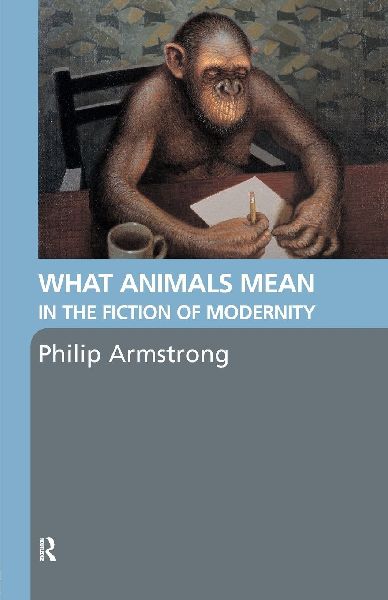
What Animals Mean in the Fiction of Modernity
Philip Armstrong
Kartoniert, Englisch, 2 Ausgaben
ab 69,80 €
Ähnliche Titel
A Social Biography of Contemporary Innovative Poetry Communities
Elizabeth-Jane Burnett
Gebunden, Englisch, 2 Ausgaben
ab 90,94 €


Bewertungen
Zu diesem Titel gibt es noch keine Bewertung. Bewerten kann, wer ihn bei uns gekauft hat.
So prüfen wir Bewertungen
Eine Bewertung kann bei uns nur abgeben, wer den Titel über sein Kundenkonto bei uns gekauft hat. Jede Bewertung ist fest mit der zugehörigen Bestellung verknüpft; anders kommt sie technisch gar nicht zustande. Deshalb trägt jede angezeigte Bewertung den Hinweis „Verifizierter Kauf". Wir zeigen positive wie negative Bewertungen und löschen nur bei Rechtsverstößen. Für Bewertungen gibt es keine Gegenleistung.
53,49 €Voraussichtlich 1. bis 3. Dez.