Peace Psychology and Character Strengths
Ryan M. Niemiec (Hrsg.)
Gebunden, Englisch, 2 Ausgaben
ab 181,89 €
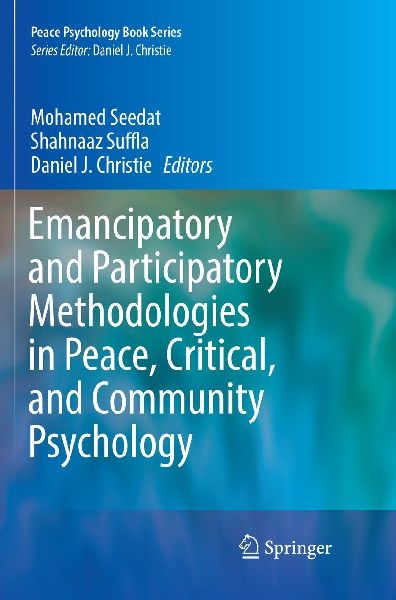
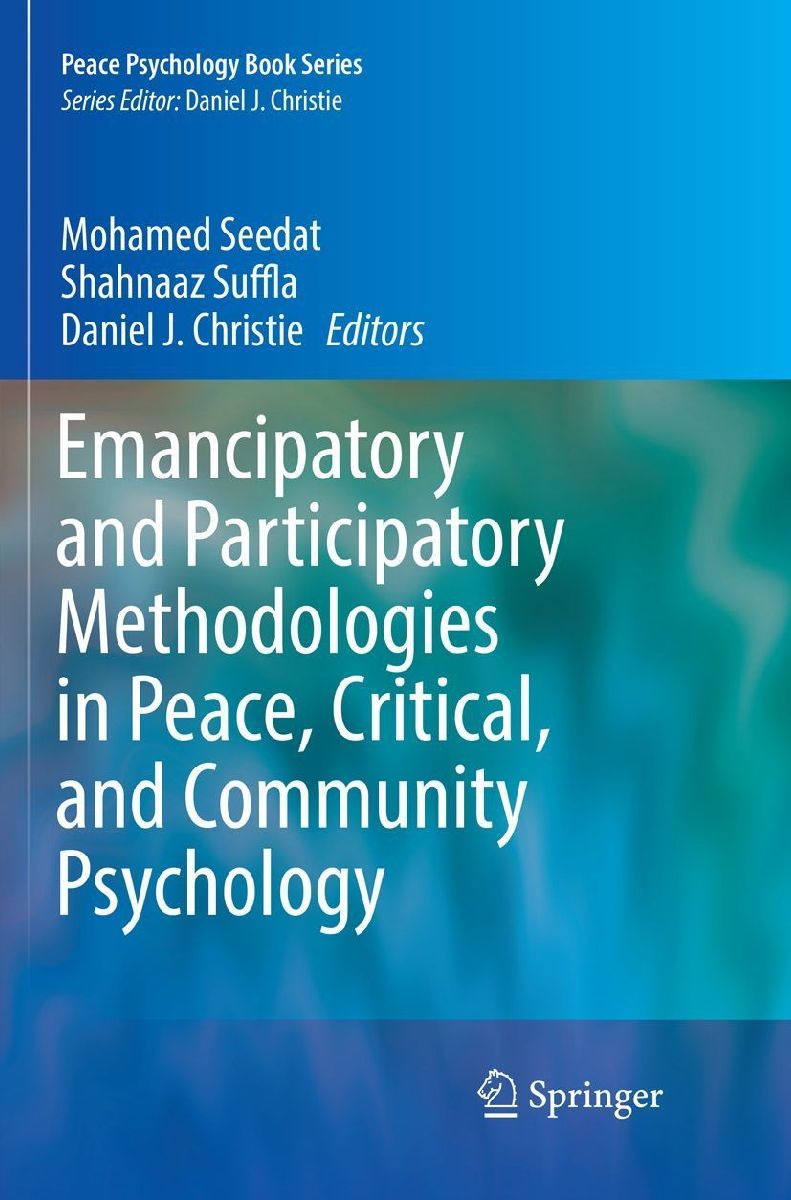
Herausgegeben von: Mohamed Seedat, Herausgegeben von: Shahnaaz Suffla, Herausgegeben von: Daniel J. Christie
Aus der Reihe Peace Psychology Book Series
Offering a unique set of case studies that invites readers to question and reimagine the concept of community engagement, this collected work provides an overview and analysis of numerous, creative participatory research methods designed to improve well-being at both the individual and societal level.
In a world where there are enormous differences in the wealth and health of people, it is increasingly recognized that sustainable peace requires both a broad--¿based public commitment to nonviolence combined with noticeable increments in the wellbeing of people who occupy the lowest socioeconomic strata of societies.
This volume focuses on the latter-how to use qualitative research methods to improve well-being of research participants, and thus, the wider society. The participatory research examples described in these chapters are meant to encourage researchers, scholars, and practitioners to question assumed knowledge about community engagement research and practice, and to inspire social justice-oriented scholarship.
The cases studies and methods portrayed are as varied as the situations and cultures in which they take place. In most of the case studies, the personal is linked to the political with a social justice imperative as participants from marginalized communities express an understanding of their own position within power hierarchies, deconstruct power relations, and experience a sense of agency.
In other instances, the methods are no less participatory but the aim is more focused on inner and outer harmony, psychological wellbeing, conflict resolution and intergroup reconciliation. In all the cases studies, there is a strong emphasis on methods in which community members are at the center of efforts to promote social change.
The methods described include group storytelling, community arts, asset mapping, dialogues, creative writing, embroidery, filmmaking, Photovoice, "writing back" to power, and other means of engaging in emancipatorypraxis and promoting personal wellbeing. Taken together, the chapters illustrate creative ways in which community members, embedded in disadvantaged contexts, can engage in a dynamic process that stimulates individual and collective agency.
Ultimately, this volume will provide readers with a deeper understanding of a wide range of creative, qualitative research methods, and will encourage establishment of an effective social justice agenda essential to human wellbeing and sustainable peace.
Mohamed Seedat is a community-centred intervention development and violence prevention researcher. He is a vision-making and strategic development facilitator and life-oriented academic coach, mentor and post-graduate student supervisor.
With a background in liberatory and critical community psychology, public health and trans-disciplinary thought, he writes in areas of community engagement, social connectivity, injury prevention and intellectual traditions in science. He is currently leading in a multi-country study on safety, peace and health promotion and the establishment of safety demonstration sites across various African countries. Mohamed is also conducting work on the making of communities and the determinants of safety and peace. Shahnaaz Suffla is trained as a clinical psychologist, and is a senior scientist within the Medical Research Council-University of South Africa, Safety and Peace Promotion Research Unit. Her research interests include issues relatedto gender, peace, conflict, and violence and injury prevention. Her work draws largely from community and peace psychology, as well as from the public health perspective. She has been involved in the training of post-graduate psychology students for a number of years, and remains actively engaged in organised psychology in South Africa. Daniel Christie is Professor Emeritus of Psychology at The Ohio State University and Fulbright Specialist in Peace and Conflict Studies. He is co-editor of Peace, Conflict, and Violence: Peace Psychology for the 21st Century (2001), and series editor of The Peace Psychology Book Series. Christie has worked to define, advance, and position peace psychology as a foundational discipline for programs in peace and conflict studies around the world, and has served as President of the Peace Psychology Division of the American Psychological Association.
Standardversand: 1 bis 3 Werktage, 3,99 €, kostenlos ab 35 €
Liefergebiet: Deutschland
Rücksendung: 14 Tage Widerrufsrecht. Bei einem Widerruf tragen Sie die Kosten der Rücksendung. Bei einer Falschlieferung oder einem Fehler von uns erstatten wir Ihnen das Rückporto. Den Widerruf erklären Sie über den Knopf „Vertrag widerrufen“ im Fuß der Seite.
Ryan M. Niemiec (Hrsg.)
Gebunden, Englisch, 2 Ausgaben
ab 181,89 €
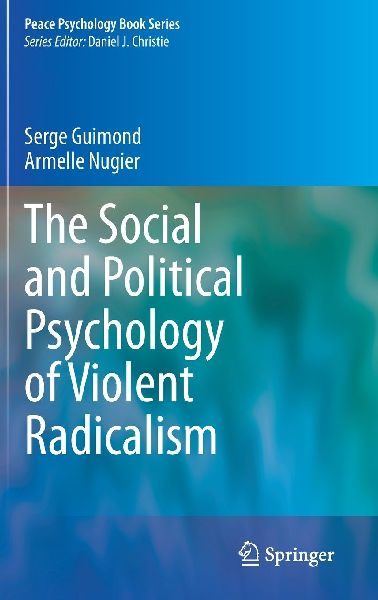
Serge Guimond
Gebunden, Englisch, 2 Ausgaben
ab 139,09 €
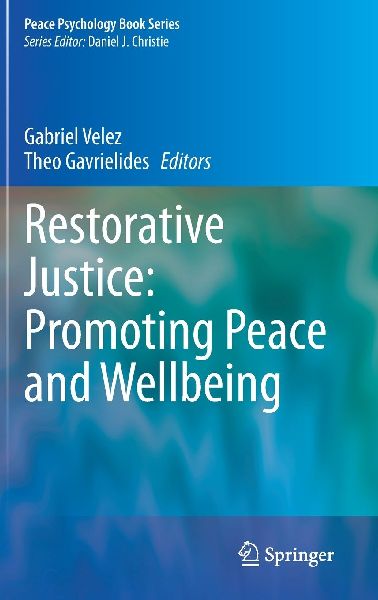
Gabriel Velez (Hrsg.)
Gebunden, Englisch, 2 Ausgaben
ab 117,69 €
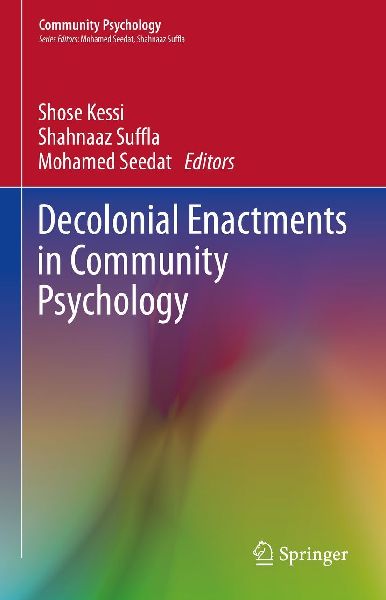
Shose Kessi (Hrsg.)
Gebunden, Englisch, 2 Ausgaben
ab 149,79 €
Madhumita Pandey (Hrsg.)
Gebunden, Englisch, 2 Ausgaben
ab 171,19 €
Meng Li (Hrsg.)
Gebunden, Englisch, 2 Ausgaben
ab 106,99 €
Zu diesem Titel gibt es noch keine Bewertung. Bewerten kann, wer ihn bei uns gekauft hat.