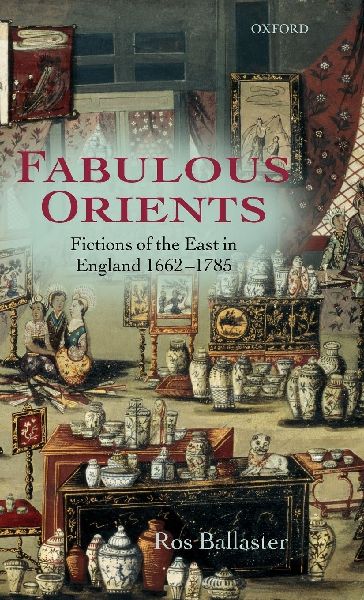
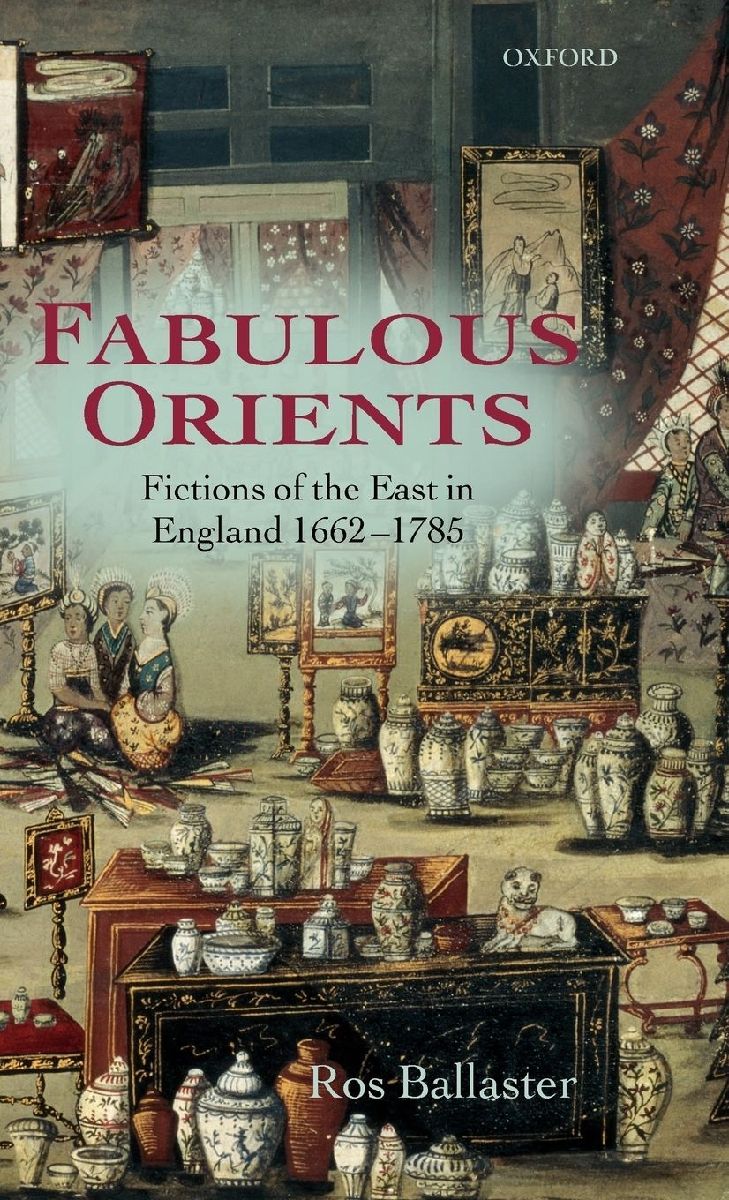
Fabulous Orients
Fictions of the East in England 1662-1785
- Einband
- Gebunden
- Seiten
- 424
- Sprache
- Englisch
- Erschienen
- Dezember 2005
- Verlag
- OUP Oxford
Buchbeschreibung
Narrative moves.
Stories migrate from one culture to another, over vast distances sometimes, but their path is often difficult to trace and obscured by time. Fabulous Orients looks at the traffic of narrative between Orient and Occident in the eighteenth century, and challenges the assumption that has dominated since the publication of Edward Said's Orientalism (1978) that such traffic is always one-way.
Ganze Beschreibung lesenWeniger anzeigen
Eighteenth-century readers in the West came to draw their mental maps of oriental territories and distinctions between them from their experience of reading tales 'from' the Orient.
In this proto-colonial period the English encounter with the East was largely mediated through the consumption of material goods such as silks, indigo, muslin, spices, or jewels, imported from the East, together with the more 'moral' traffic of narratives about the East, both imaginary and ethnographic.
Through analyses of fictional representations (including travellers' accounts, letter narratives such as Letters Writ by a Turkish Spy, and popular sequences of tales such as the Arabian Nights Entertainments) of four oriental territories (Persia, Turkey, China and India), Ros Ballaster demonstrates the ways in which the East came to be understood as a source of story, a territory of fable and narrative.
Fabulous Orients is structured according to territory rather than genre. Each section opens by re-narrating an oriental story in which a feminine character serves to 'figure' western desire for the territory she represents: the courtesan queen of the Ottoman seraglio Roxolana; the riddling Chinese princess Turandocte; and the illusory sati of India, Canzade.
The book goes on to explore the range of fabulous writings relating to each territory in order to illustrate how certain narrative tropes can come to dominate its representation: the conflict between the male look and female speech staged in the seraglio in the case of Turkey and Persia, the inauthenticity and/or dullness associated with China and its products such as porcelain, and the illusory dreams that are woven in the space of India and associated with its textile industries.
This is the first book-length study of the oriental tale to appear for almost a century. Informed by recent historiographical and literary re-assessments of western constructions of the East, it develops an original argument about the use of narrative as a form of sympathetic and imaginative engagement with otherness, a disinvestment of the self rather than a confident expression of colonial or imperial ambition.
Inhaltsverzeichnis
- 1. Narrative moves
- 1.1: Dinarzade, the second string
- 1.2: The state of narrative
- 2. Shape shifting: oriental tales
- 2.1: Fadlallah and Zemroude, transmigratory desires
- 2.2: The framed sequence
- 2.3: Travellers' tales
- 2.4: Fictional letters
Ganzes Inhaltsverzeichnis anzeigen (36 Einträge)Weniger anzeigen
- 2.5: Histories
- 2.6: Heroic drama
- 2.7: A passion for tales
- 3. Tales of the seraglio: Turkey and Persia
- 3.1: Roxolana: the loquacious courtesan
- 3.2: Speaking likenesses: Turkey and Persia
- 3.3: Loquacious women I: staging the Orient
- 3.4: Loquacious women II: narrating the Orient
- 3.5: Speculative men I: spies and correspondents
- 3.6: Speculative men II: court secrets
- 3.7: 'Fabulous and Romantic': the Embassy Letters and the Sultan's Tale
- 4. 'Bearing Confucius' morals to Britannia's ears': China
- 4.1: Turandocte: the riddling princess
- 4.2: Chinese whispers
- 4.3: Orphans and absolutism: tragedies of state
- 4.4: Empires of Dulness
- 4.5: Narrative transmigrations
- 4.6: Chinese letters of reason
- 4.7: Madness and civilization
- 5. 'Dreams of men awake': India
- 5.1: Canzade: the illusory sati
- 5.2: India as illusion
- 5.3: 'The dreaming priest': Aureng-Zebe
- 5.4: The treasures of the East: Indian tales
- 5.5: Tales of India: weaving illusions
- 5.6: The Indian fable: rational animals
- 5.7: Waking from the dream
- 6. Epilogue: Romantic revisions of the Orient
Details
- Erscheinungstermin
- Dezember 2005
- Kategorie
- Fremdsprachige Bücher
- Einband
- Gebunden
- Seiten
- 424
- Sprache
- Englisch
- Verlag
- OUP Oxford
- Format
- 22,2 × 14,5 cm
- Dicke
- 2,8 cm
- Gewicht
- 667 g
- EAN / ISBN-13
- 9780199267330
Über Rosalind Ballaster
Born in Bombay, India, in 1962, Ros Ballaster has had an abiding interest in eastern culture and narrative.
Mehr über Rosalind BallasterWeniger anzeigen
She was a visiting Fellow at Harvard University 1988-89; Lecturer in English Literature at University of East Anglia 1989-1993; and Leverhulme Major Research Fellow 2000-2003. She is currently College and University Fellow in English Literature at Mansfield College, Oxford.
Versand und Rückgabe
Standardversand: 1 bis 3 Werktage, 3,99 €, kostenlos ab 35 €
Liefergebiet: Deutschland
Rücksendung: 14 Tage Widerrufsrecht. Bei einem Widerruf tragen Sie die Kosten der Rücksendung. Bei einer Falschlieferung oder einem Fehler von uns erstatten wir Ihnen das Rückporto. Den Widerruf erklären Sie über den Knopf „Vertrag widerrufen“ im Fuß der Seite.
Hersteller und ProduktsicherheitOUP Oxford
OUP Oxford
Europaallee 1
36244 Bad Hersfeld
Deutschland
gpsr@libri.de
Verantwortliche Person in der EU
Libri GmbHEuropaallee 1
36244 Bad Hersfeld
Deutschland
gpsr@libri.de
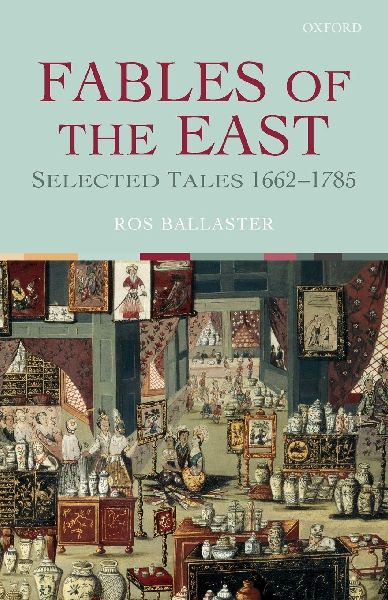
Mehr von Rosalind Ballaster
Ähnliche Titel
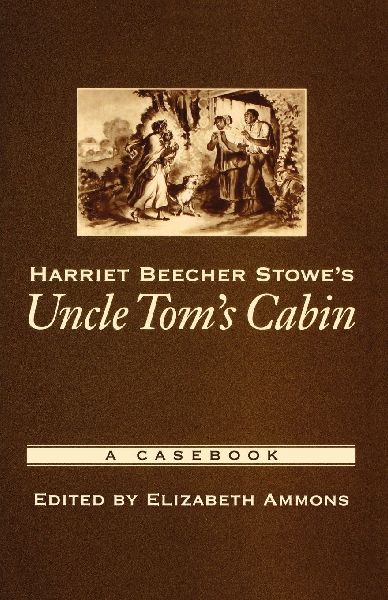
Harriet Beecher Stowe's Uncle Tom's Cabin
Elizabeth Ammons (Hrsg.)
Kartoniert, Englisch, 2 Ausgaben
ab 49,70 €
Bewertungen
Zu diesem Titel gibt es noch keine Bewertung. Bewerten kann, wer ihn bei uns gekauft hat.
So prüfen wir Bewertungen
Eine Bewertung kann bei uns nur abgeben, wer den Titel über sein Kundenkonto bei uns gekauft hat. Jede Bewertung ist fest mit der zugehörigen Bestellung verknüpft; anders kommt sie technisch gar nicht zustande. Deshalb trägt jede angezeigte Bewertung den Hinweis „Verifizierter Kauf". Wir zeigen positive wie negative Bewertungen und löschen nur bei Rechtsverstößen. Für Bewertungen gibt es keine Gegenleistung.
141,10 €Voraussichtlich 4. bis 8. Dez.