The Cambridge History of French Thought
Michael Moriarty (Hrsg.)
Kartoniert, Englisch, 2 Ausgaben
ab 49,30 €
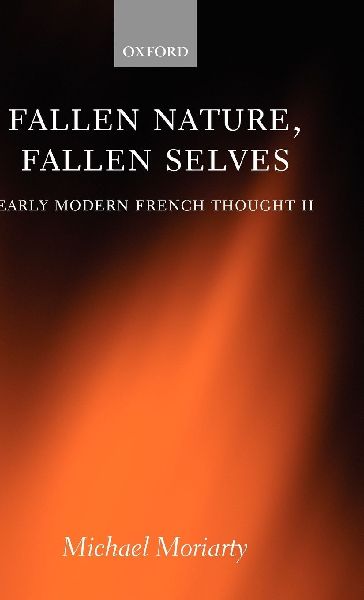
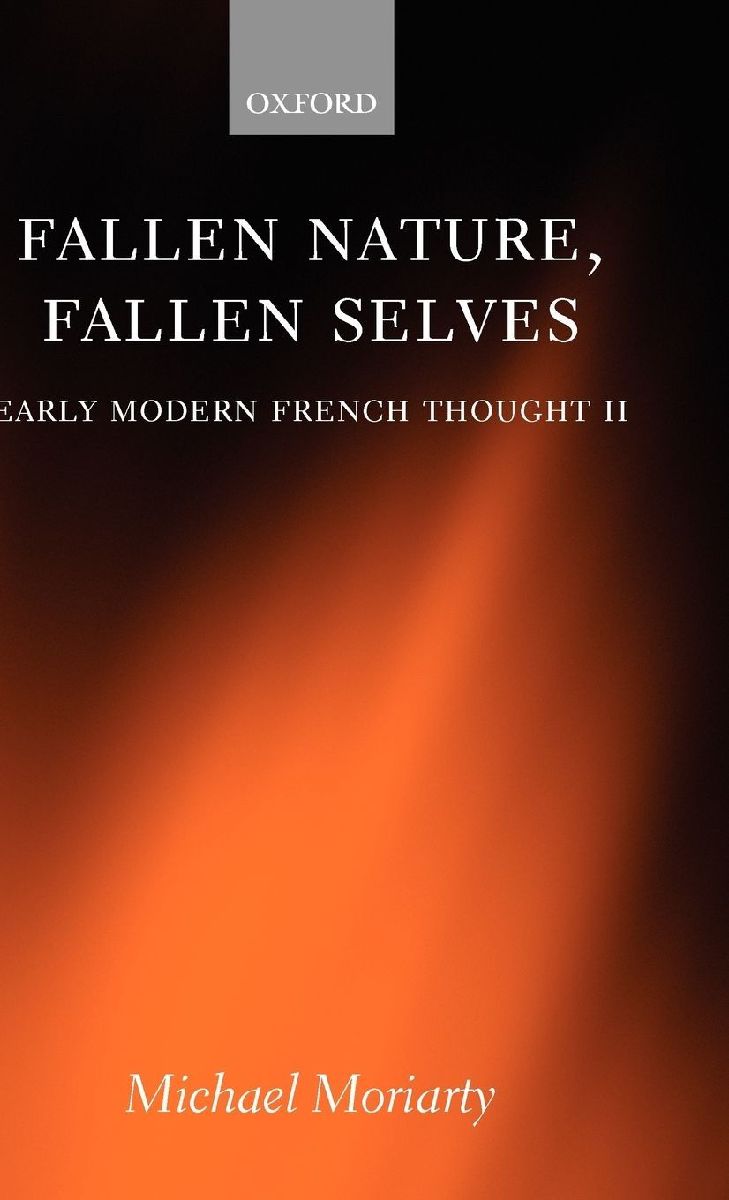
Early Modern French Thought II
von Michael Moriarty
From the late sixteenth to the late seventeenth centuries, French writing is especially concerned with analysing human nature.
The ancient ethical vision of man's nature and goal (we achieve fulfilment by living our lives according to reason, the highest and noblest element of our nature) survives, even, to some extent, in Descartes.
But it is put into question especially by the revival of St Augustine's thought, which focuses on the contradictions and disorders of human desires and aspirations.
Analyses of behaviour display a powerful suspicion of appearances. Human beings are increasingly seen as motivated by self-love: they are driven by the desire for their own advantage, and take a narcissistic delight in their own image. Moral and religious writers re-emphasize the traditional imperative of self-knowledge, but in such a way as to suggest the difficulties of knowing oneself.
Operating with the Cartesian distinction between mind and body, they emphasize the imperceptible influence of bodily processes on our thought and attitudes. They analyse human beings' ignorance (due to self-love) of their own motives and qualities, and the illusions under which they live their lives.
Their critique of human behaviour is no less searching than that of writers who have broken with traditional religious morality, such as Hobbes and Spinoza. A wide range of authors is studied, some well-known, others much less so: the abstract and general analyses of philosophers and theologians (Descartes, Jansenius, Malebranche) are juxtaposed with the less systematic and more concrete investigations of writers like Montaigne and La Rochefoucauld, not to mention the theatre of Corneille, Molière, and Racine.
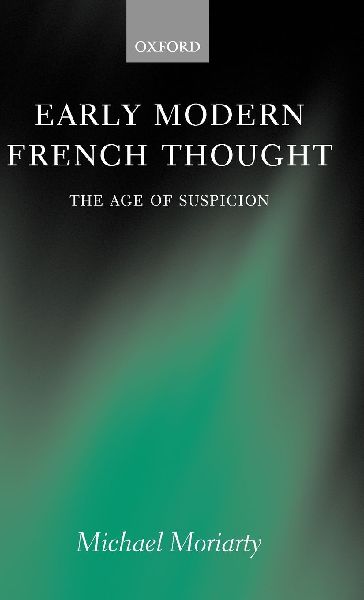
Michael Moriarty is Centenary Professor of French Literature and Thought at Queen Mary, University of London, and author of Early Modern French Thought: the Age of Suspicion (Oxford: Oxford University …
Michael Moriarty is Centenary Professor of French Literature and Thought at Queen Mary, University of London, and author of Early Modern French Thought: the Age of Suspicion (Oxford: Oxford University Press, 2003), Roland Barthes (Cambridge: Polity, 1991), Taste and Ideology in Seventeenth-Century France (Cambridge: Cambridge University Press, 1988. He was previously a Lecturer in the French Department of the University of Cambridge and a Fellow of Gonville and Caius College.
Standardversand: 1 bis 3 Werktage, 3,99 €, kostenlos ab 35 €
Liefergebiet: Deutschland
Rücksendung: 14 Tage Widerrufsrecht. Bei einem Widerruf tragen Sie die Kosten der Rücksendung. Bei einer Falschlieferung oder einem Fehler von uns erstatten wir Ihnen das Rückporto. Den Widerruf erklären Sie über den Knopf „Vertrag widerrufen“ im Fuß der Seite.
Michael Moriarty (Hrsg.)
Kartoniert, Englisch, 2 Ausgaben
ab 49,30 €
Marie-Louise Von Franz
Kartoniert, Englisch
37,30 €
Zu diesem Titel gibt es noch keine Bewertung. Bewerten kann, wer ihn bei uns gekauft hat.