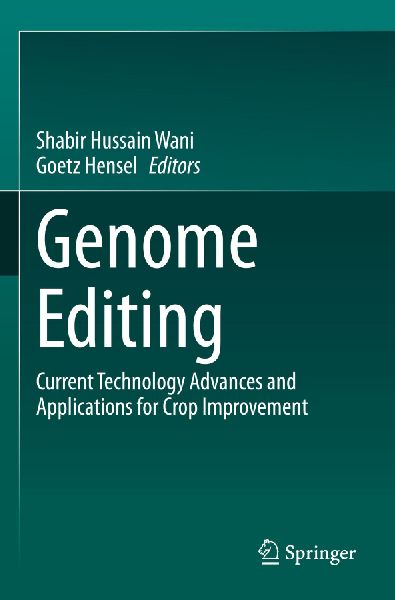
Genome Editing
Current Technology Advances and Applications for Crop Improvement
von Shabir Hussain Wani (Hrsg.)
Herausgegeben von: Shabir Hussain Wani, Herausgegeben von: Goetz Hensel
- Einband
- Kartoniert
- Seiten
- 360
- Sprache
- Englisch
- Erschienen
- November 2023
- Verlag
- Springer
Buchbeschreibung
Over the last few decades, various techniques have been developed to alter the properties of plants and animals.
While the targeted transfer of recombinant DNA into crop plants remains a valuable tool to achieve a desirable breeding outcome, integration of transgenes into the host genome has been random, which in part, leads to reduced acceptance of GMOs by the general population in some parts of the world.
Ganze Beschreibung lesenWeniger anzeigen
Likewise, methods of induced mutagenesis, such as TILLING, have the disadvantage that many mutations are induced per plant, which has to be removed again by expensive backcrossing.
Advances in genome sequencing have provided more and more information on differences between susceptible and resistant varieties, which can now be directly targeted and modified using CRISPR/Cas9 technology. By selecting specific gRNAs occurrence of off-target modifications are comparatively low. ZFNs and TALENs- based approaches required re-engineering a new set of assembled polypeptides for every new target site for each experiment.
The difficulty in cloning and protein engineering prevented these tools from being broadly adopted by the scientific community. Compared to these technologies, designing the CRISPR toolbox is much simpler and more flexible. CRISPR/Cas9 is versatile, less expensive and highly efficient. It has become the most widely used technology for genome editing in many organisms.
Since its inception as a powerful genome-editing tool in late 2012, this breakthrough technology has completely changed how science is performed. The first few chapters in this book introduce the basic concept, design and implementation of CRISPR/Cas9 for different plant systems. They are followed by in-depth discussions on the legal and bio-safety issues accompanying commercialization and patenting of this emerging technology.
Lastly, this book covers emerging areas of new tools and potential applications. We believe readers, novice and expert alike, will benefit from this all-in-one resource on genome editing for crop improvement.
Chapter 17 is available open access under a Creative Commons Attribution 4.0 International License via link.springer.com.
Inhaltsverzeichnis
- Genome engineering as a tool for enhancing crop traits: Lessons from CRISPR/Cas9
- Genome editing for food security in vegetable crops
- CRISPR/Cas9-mediated targeted mutagenesis in medicinal plants
- Genome Editing: a review of the challenges and approaches
- Recent advances and application of CRISPR base editors for improvement of various traits in crops
- New Cas endonuclease variants broadening the scope of the CRISPR toolbox
- Multiplexed genome editing in plants using CRISPR/Cas-based endonuclease systems
- Transgene free genome editing in plants
Ganzes Inhaltsverzeichnis anzeigen (17 Einträge)Weniger anzeigen
- Genome editing by Ribonucleoprotein based delivery of Cas9 system in plants
- Virus mediated delivery of CRISPR/Cas9 system in plants
- Characterization of gene edited crops via metabolomics
- Genome editing in plants for improvement of resistance in plants against bacterial pathogen
- Improvement of resistance in plants against Insect-pests using genome editing tools
- Applications of gene drive for weeds and pest management using CRISPR/Cas9 system in plants
- Recent trends in targeting genome editing of tomato for abiotic stress tolerance
- Biosafety issue related to genome editing in plants using CRISPR-Cas9
- Regulatory constraints and differences of Genome edited crops around the globe
Details
- Erscheinungstermin
- November 2023
- Kategorie
- Fremdsprachige Bücher
- Einband
- Kartoniert
- Seiten
- 360
- Sprache
- Englisch
- Verlag
- Springer
- Format
- 23,5 × 15,5 cm
- Dicke
- 2,0 cm
- Gewicht
- 546 g
- EAN / ISBN-13
- 9783031080746
Versand und Rückgabe
Standardversand: 1 bis 3 Werktage, 3,99 €, kostenlos ab 35 €
Liefergebiet: Deutschland
Rücksendung: 14 Tage Widerrufsrecht. Bei einem Widerruf tragen Sie die Kosten der Rücksendung. Bei einer Falschlieferung oder einem Fehler von uns erstatten wir Ihnen das Rückporto. Den Widerruf erklären Sie über den Knopf „Vertrag widerrufen“ im Fuß der Seite.
Hersteller und ProduktsicherheitSpringer Nature Customer Service Center GmbH
Springer Nature Customer Service Center GmbH
Europaplatz 3
69115 Heidelberg
Deutschland
ProductSafety@springernature.com
Mehr von Shabir Hussain Wani

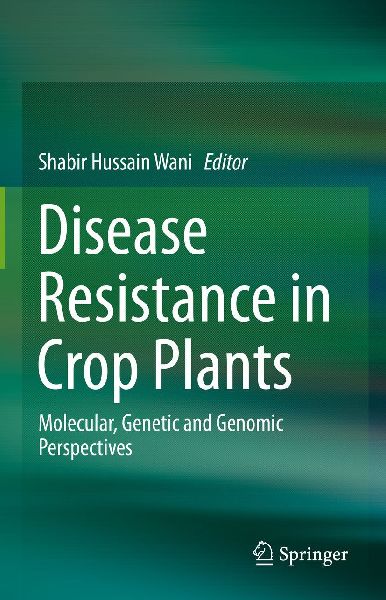
Disease Resistance in Crop Plants
Shabir Hussain Wani (Hrsg.)
Gebunden, Englisch, 2 Ausgaben
ab 181,89 €
Ähnliche Titel
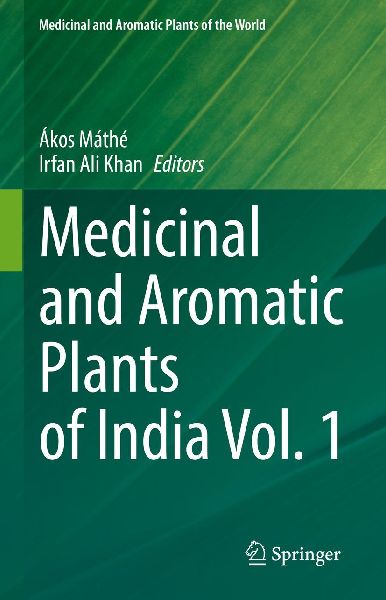
Medicinal and Aromatic Plants of India Vol. 1
Ákos Máthé (Hrsg.)
Gebunden, Englisch, 2 Ausgaben
ab 213,99 €
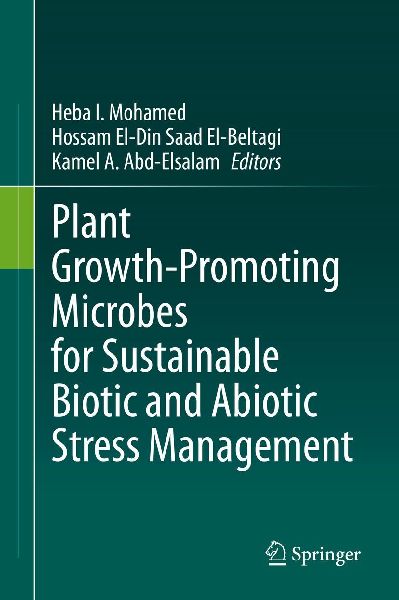
Plant Growth-Promoting Microbes for Sustainable Biotic and Abiotic Stress Management
Heba I. Mohamed (Hrsg.)
Gebunden, Englisch, 2 Ausgaben
ab 181,89 €
Bewertungen
Zu diesem Titel gibt es noch keine Bewertung. Bewerten kann, wer ihn bei uns gekauft hat.
So prüfen wir Bewertungen
Eine Bewertung kann bei uns nur abgeben, wer den Titel über sein Kundenkonto bei uns gekauft hat. Jede Bewertung ist fest mit der zugehörigen Bestellung verknüpft; anders kommt sie technisch gar nicht zustande. Deshalb trägt jede angezeigte Bewertung den Hinweis „Verifizierter Kauf". Wir zeigen positive wie negative Bewertungen und löschen nur bei Rechtsverstößen. Für Bewertungen gibt es keine Gegenleistung.
171,19 €Voraussichtlich 1. bis 3. Dez.