
"The Confreres Should Behave Nobly Towards Members of a Foreign Nation..."
Darius J. Piwowarczyk (Hrsg.)
Kartoniert, Englisch
119,00 €
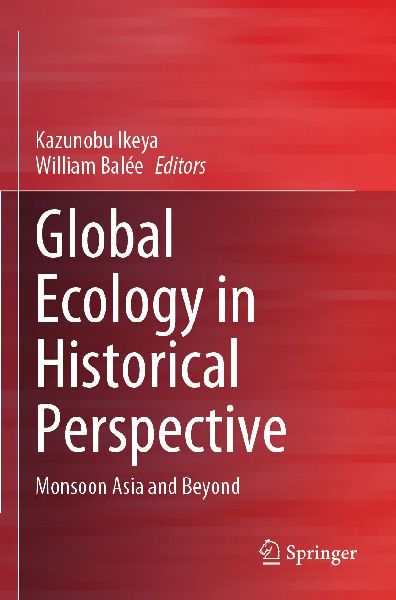
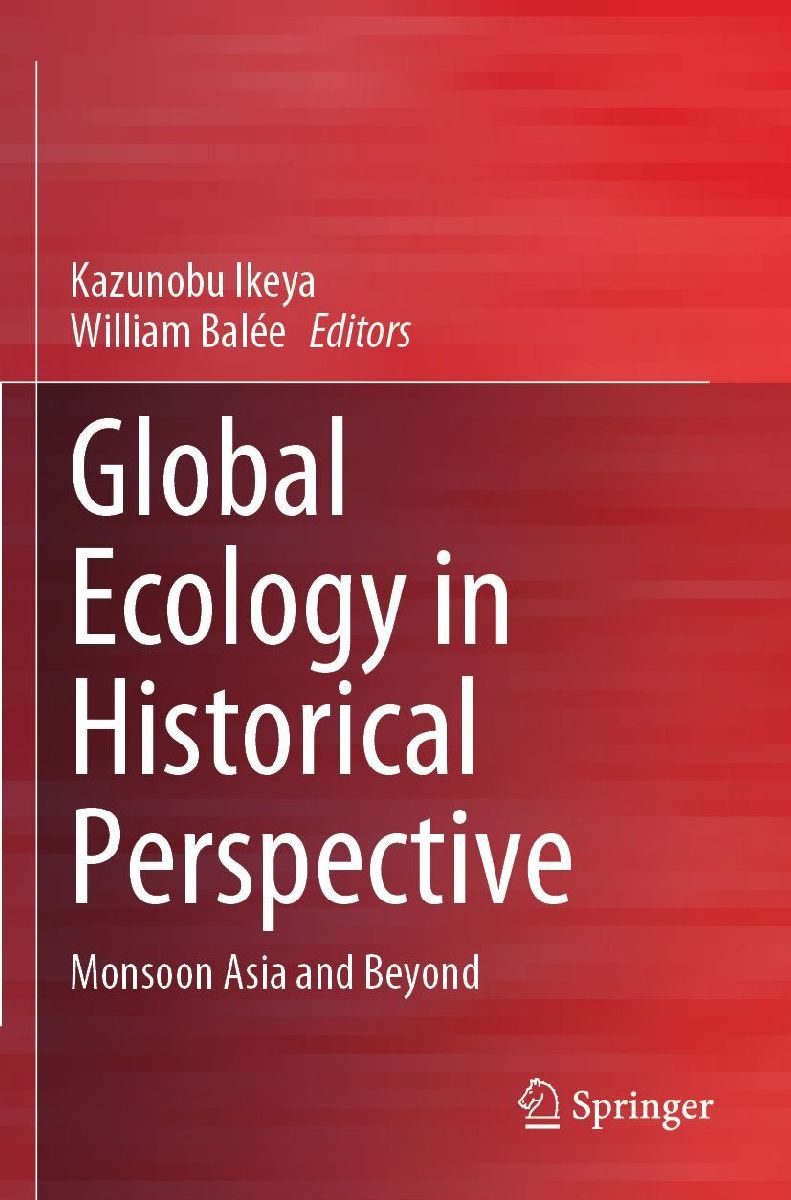
Monsoon Asia and Beyond
Herausgegeben von: Kazunobu Ikeya, Herausgegeben von: William Balée
This book primarily examines human-animal and human-plant interactions in Asian forests (Southeast Asiäand Japan) and inland waters (China).
For comparison, cases from the Americas (whales in the Arctic, sea turtles in the Caribbean, and plants in the Amazon) and Central Asia are also included. The relationship between plants, animals, and humans in Asia is quite unique from a global perspective.
For example, "satoyama" in Japan means ecotone area, or the boundary between a village and a forest.
There, as the number of inhabitants declines, bears, wild boars, and other animals increasingly ravage crops, sometimes attacking humans as well.
By showing the regional nature of human-animal and human-plant interactions in Asia, this book provides for the first time a framework for understanding the world's animal and plant-human relationships. It is assumed that the relationships between humans and animals and plants during this period were diverse, including hunting, taming, semi-domestication, and full domestication.
At the same time, for regions outside of Asia, the extent to which these diverse relationships were adapted and how diversity was formed is explained from the perspective of historical ecology.
Customers can expect to derive perspectives on the coexistence of human-animal and plant-animal relationships from this book in the near future.
The conservation of rare species, diverse habitats, and biodiversity is a central theme in considering the relationship between modern civilization and the global environment. In post-industrial Japan, one focus has been the protection of iconic animals such as storks, crested ibis, dugongs, and sea turtles, while damage to crops and humans by deer, wild boars, monkeys, bears, and other common animals has become an important social issue.
How can the world's 7.7 billion-plus people live in harmony with other species? We would like to get some hints on how to solve the problems we are facing.
Kazunobu Ikeya
Professor
National Museum of Ethnology, Japan
Field of Study: Environmental anthropology, cultural geography Prof. Ikeya received his Ph. D. from Tohoku University in 2003. He has conducted field work among the San in¿
Africa and the Japanese and Chukchi in Northeast Asia.
William Balée
Professor
Tulane University, USA
Field of Study: Cultural anthropology; Amazonia; historical ecology; ethnobiology Prof. Balée received his PhD from Columbia University in 1984. He has conducted fieldwork among Ka'apor, Guajá, Araweté, Tembé, Assurini do Xingu, and Sirionó societies.
Standardversand: 1 bis 3 Werktage, 3,99 €, kostenlos ab 35 €
Liefergebiet: Deutschland
Rücksendung: 14 Tage Widerrufsrecht. Bei einem Widerruf tragen Sie die Kosten der Rücksendung. Bei einer Falschlieferung oder einem Fehler von uns erstatten wir Ihnen das Rückporto. Den Widerruf erklären Sie über den Knopf „Vertrag widerrufen“ im Fuß der Seite.
Darius J. Piwowarczyk (Hrsg.)
Kartoniert, Englisch
119,00 €
Jitendra Jain
Kartoniert, Englisch
17,95 €
Zu diesem Titel gibt es noch keine Bewertung. Bewerten kann, wer ihn bei uns gekauft hat.