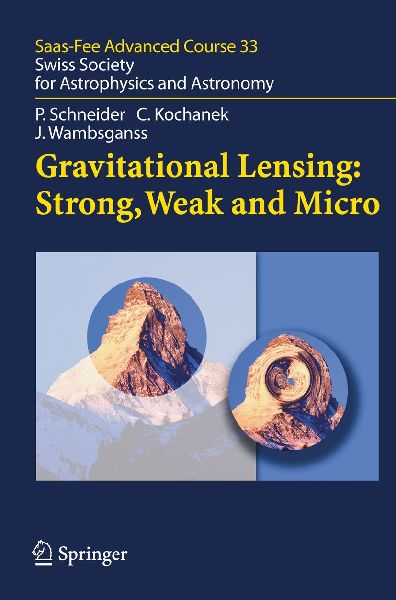
Gravitational Lensing: Strong, Weak and Micro
Saas-Fee Advanced Course 33
von Peter Schneider, Christopher Kochanek und Joachim Wambsganss
Herausgegeben von: Georges Meylan, Herausgegeben von: Philippe Jetzer, Herausgegeben von: Pierre North
Aus der Reihe Saas-Fee Advanced Course
- Einband
- Gebunden
- Seiten
- 572
- Sprache
- Englisch
- Erschienen
- Mai 2006
- Verlag
- Springer
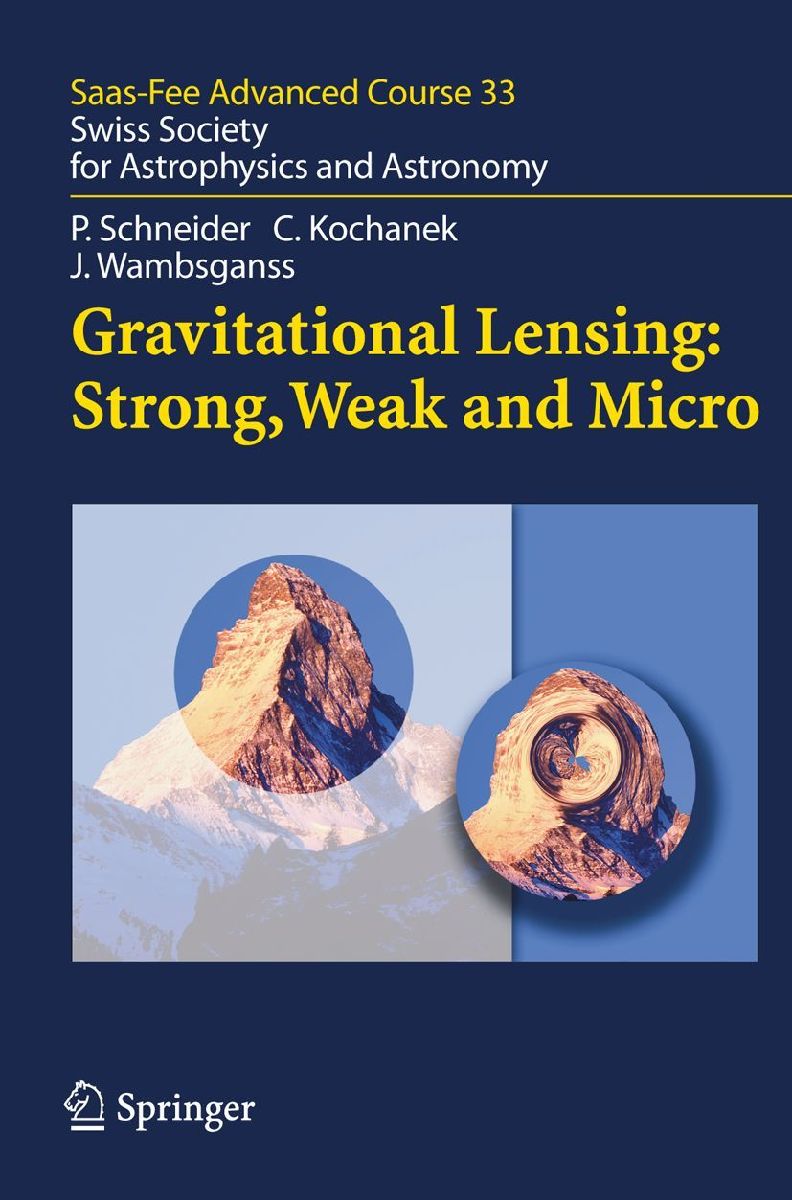
Buchbeschreibung
The observation, in 1919 by A.S. Eddington and collaborators, of the gra- tational de?ection of light by the Sun proved one of the many predictions of Einstein's Theory of General Relativity: The Sun was the ?rst example of a gravitational lens. In 1936, Albert Einstein published an article in which he suggested - ing stars as gravitational lenses.
Ganze Beschreibung lesenWeniger anzeigen
A year later, Fritz Zwicky pointed out that galaxies would act as lenses much more likely than stars, and also gave a list of possible applications, as a means to determine the dark matter content of galaxies and clusters of galaxies. It was only in 1979 that the ?rst example of an extragalactic gravitational lens was provided by the observation of the distant quasar QSO 0957+0561, by D. Walsh, R.F. Carswell, and R.J. Weymann.
A few years later, the ?rst lens showing images in the form of arcs was detected. The theory, observations, and applications of gravitational lensing cons- tute one of the most rapidly growing branches of astrophysics. The gravi- tional de?ection of light generated by mass concentrations along a light path producesmagni?cation, multiplicity, anddistortionofimages, anddelaysp- ton propagation from one line of sight relative to another.
The huge amount of scienti?c work produced over the last decade on gravitational lensing has clearly revealed its already substantial and wide impact, and its potential for future astrophysical applications.
Inhaltsverzeichnis
- to Gravitational Lensing and Cosmology
- Strong Gravitational Lensing
- Weak Gravitational Lensing
- Gravitational Microlensing
Details
- Erscheinungstermin
- Mai 2006
- Kategorie
- Fremdsprachige Bücher
- Einband
- Gebunden
- Seiten
- 572
- Sprache
- Englisch
- Verlag
- Springer
- Reihe
- Saas-Fee Advanced Course
- Format
- 24,1 × 16,0 cm
- Dicke
- 4,1 cm
- Gewicht
- 1.069 g
- EAN / ISBN-13
- 9783540303091
Über Peter Schneider
Peter Schneider is a Full Professor for Astrophysics at the University of Bonn and Founding Director of the Argelander-Institut für Astronomie, Bonn.
Mehr über Peter SchneiderWeniger anzeigen
He is one of the internationally most respected German astrophysicists, well known for his research on gravitational lensing (strong and weak) and cosmology, and author of 3 successful Springer books.
Versand und Rückgabe
Standardversand: 1 bis 3 Werktage, 3,99 €, kostenlos ab 35 €
Liefergebiet: Deutschland
Rücksendung: 14 Tage Widerrufsrecht. Bei einem Widerruf tragen Sie die Kosten der Rücksendung. Bei einer Falschlieferung oder einem Fehler von uns erstatten wir Ihnen das Rückporto. Den Widerruf erklären Sie über den Knopf „Vertrag widerrufen“ im Fuß der Seite.
Hersteller und ProduktsicherheitSpringer Nature Customer Service Center GmbH
Springer Nature Customer Service Center GmbH
Europaplatz 3
69115 Heidelberg
Deutschland
ProductSafety@springernature.com
Mehr von Peter Schneider


Mehr aus der Reihe Saas-Fee Advanced Course
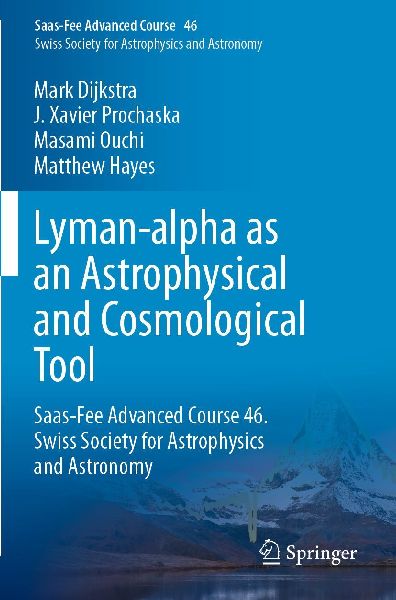
Lyman-alpha as an Astrophysical and Cosmological Tool
Mark Dijkstra
Kartoniert, Englisch, 2 Ausgaben
ab 85,59 €
Ähnliche Titel
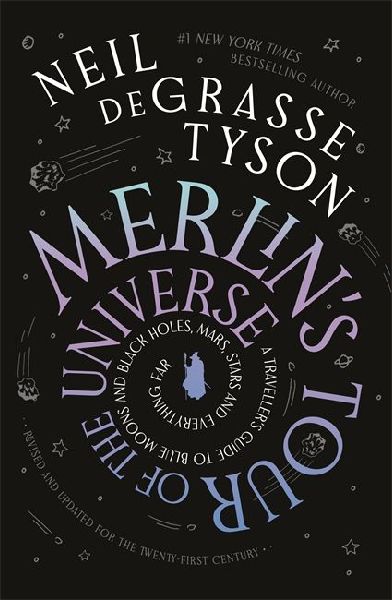
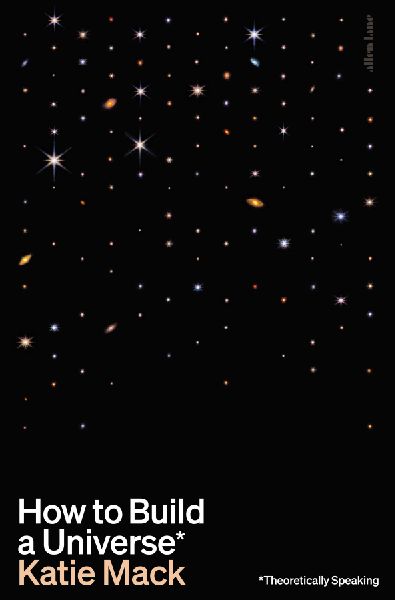

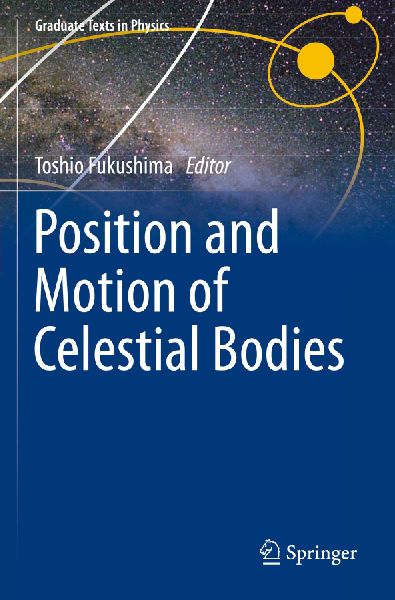
Position and Motion of Celestial Bodies
Toshio Fukushima (Hrsg.)
Kartoniert, Englisch, 2 Ausgaben
ab 64,19 €
Bewertungen
Zu diesem Titel gibt es noch keine Bewertung. Bewerten kann, wer ihn bei uns gekauft hat.
So prüfen wir Bewertungen
Eine Bewertung kann bei uns nur abgeben, wer den Titel über sein Kundenkonto bei uns gekauft hat. Jede Bewertung ist fest mit der zugehörigen Bestellung verknüpft; anders kommt sie technisch gar nicht zustande. Deshalb trägt jede angezeigte Bewertung den Hinweis „Verifizierter Kauf". Wir zeigen positive wie negative Bewertungen und löschen nur bei Rechtsverstößen. Für Bewertungen gibt es keine Gegenleistung.
117,69 €Voraussichtlich 3. bis 7. Dez.