Buch-OWLOnline-Buchhandel

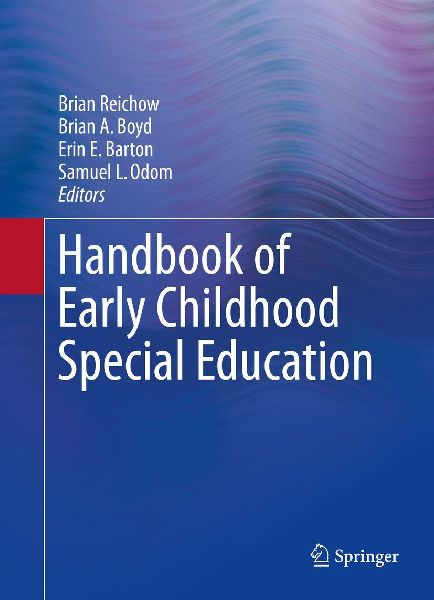
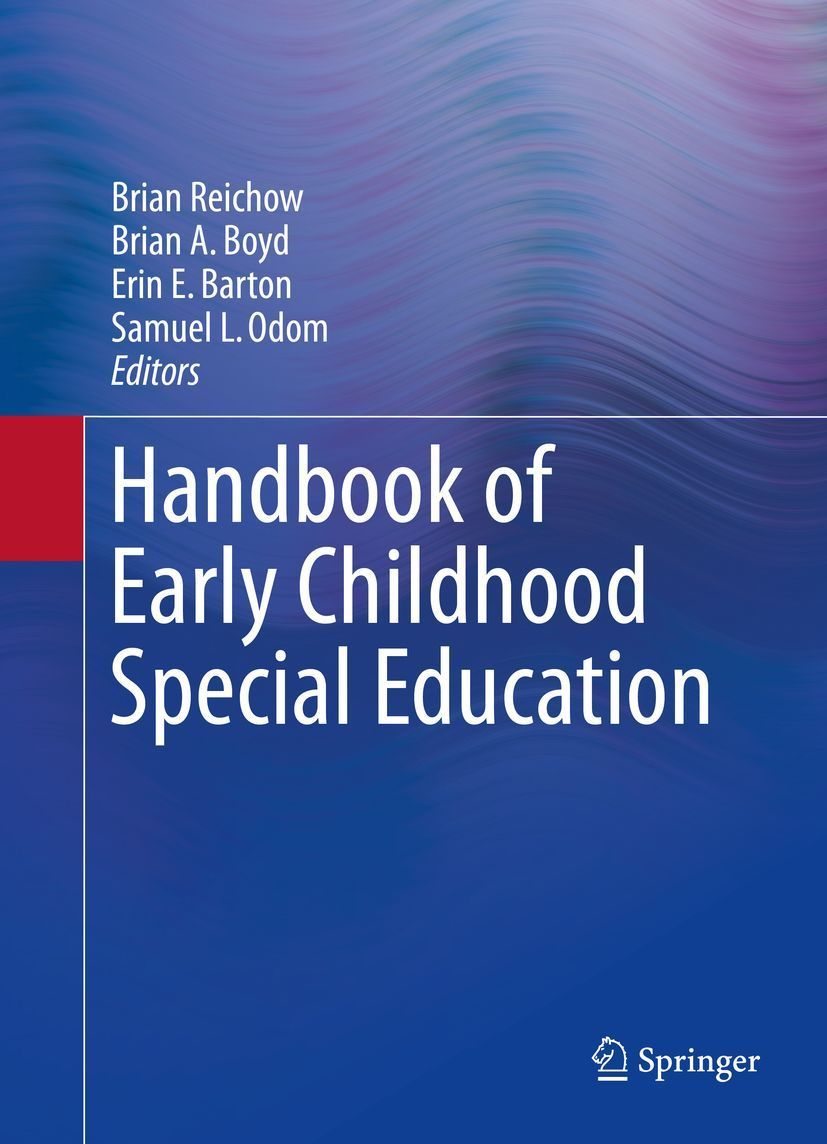
Handbook of Early Childhood Special Education

von Brian Reichow (Hrsg.)

Herausgegeben von: Brian Reichow, Herausgegeben von: Brian A. Boyd, Herausgegeben von: Erin E. Barton, und weitere

Einband
Kartoniert
Seiten
612
Sprache
Englisch
Erschienen
September 2017
Verlag
Springer

Buchbeschreibung

This handbook discusses early childhood special education (ECSE), with particular focus on evidence-based practices.

Coverage spans core intervention areas in ECSE, such as literacy, motor skills, and social development as well as diverse contexts for services, including speech-language pathology, physical therapy, and pediatrics. Contributors offer strategies for planning, implementing, modifying, and adapting interventions to help young learners extend their benefits into the higher grades.

Ganze Beschreibung lesenWeniger anzeigen

Concluding chapters emphasize the importance of research in driving evidence-based practices (EBP). Topics featured in the Handbook include: Family-centered practices in early childhood intervention. The application of Response to Intervention (RtI) in young children with identified disabilities. Motor skills acquisition for young children with disabilities.

Implementing evidence-based practices in ECSE classrooms. · Cultural, ethnic, and linguistic implications for ECSE. The Handbook of Early Childhood Special Education is a must-have resource for researchers, professors, upper-level undergraduate and graduate students, clinicians, and practitioners across such disciplines as child and school psychology, early childhood education, clinical social work, speech and physical therapy, developmental psychology, behavior therapy, and public health.

Inhaltsverzeichnis

  • PART 1: Historical Context and Foundations
  • Chapter 1. A History of Early Childhood Education
  • Chapter 2. The Role of Theory in Early Childhood Special Education
  • Chapter 3. Family-Centered Practices in Early Childhood Special Education
  • Chapter 4. Taking Stock and Moving Forward: Implementing Quality Early Childhood Inclusive Practices
  • Chapter 5. Birth to Three: Early Intervention
  • Chapter 6. Assessment in Early Childhood Special Education
  • Chapter 7. Evidence-Based Practice in the Context of Early Childhood Special Education
Ganzes Inhaltsverzeichnis anzeigen (33 Einträge)Weniger anzeigen
  • PART 2: Evidence-Based Practices in ECSE
  • Chapter 8. Developing Literacy and Language Competence: Preschool Children Who are At-Risk or Have Disabilities
  • Chapter 9. Understanding Science Technology Engineering Arts and Mathematics (STEAM)
  • Chapter 10. The Application of Response to Intervention to Young Children with Identified Disabilities
  • Chapter 11. A "Consumer Reports" Like Review of the Empirical Literature Specific to Preschool Children's Peer Related Social Skills
  • Chapter 12. Promoting Communication Development in Young Children With or At-Risk for Disabilities
  • Chapter 13. Motor Skills Acquisition for Young Children with Disabilities
  • Chapter 14. Supporting the Implementation of Tiered Models of Behavior Support in Early Childhood Settings
  • Chapter 15. Critical Issues and Promising Practices for Teaching Play to Young Children with Disabilities
  • PART 3: Maximizing Current and Future Child Outcomes with EBP
  • Chapter 16. Personnel Preparation in EC Intervention
  • Chapter 17. Implementing Evidence-based Practices in ECSE Classroom Settings
  • Chapter 18. Using Modifications and Accommodations to Enhance Learning of Young Children with Disabilities
  • Chapter 19. The Role of Speech-Language Pathologists in Providing Early Childhood Special Education
  • Chapter 20. Occupational Therapy in Early Intervention and Early Childhood Special Education
  • Chapter 21. Role of Physical Therapy Within the Context of Early Childhood
  • Special Education
  • Chapter 22. Early Childhood Special Education in Context of Pediatrics and Medical Home
  • Chapter 23. Early Childhood Special Education in the Context of School Psychology
  • Chapter 24. Culture, Ethnicity, and Linguistic Diversity: Implications for ECSE
  • Chapter 25. Inclusive Education and Autism Spectrum Disorders: The Working Practice of Supporting Teachers in Argentina
  • Chapter 26. Physical Activity and Preschool Children with and without Developmental Delays
  • Chapter 27. Expanding Frontiers in Research Designs, Methods, and Measurement in Support of Evidence-Based Practice in Early Childhood Special Education
  • Chapter 28. Role of Research Syntheses for Identifying Evidence-Based Childhood Intervention Practices
  • Chapter 29. Accounting for the Developing Brain

Details

Erscheinungstermin
September 2017
Kategorie
Fremdsprachige Bücher
Einband
Kartoniert
Seiten
612
Sprache
Englisch
Verlag
Springer
Format
25,4 × 17,8 cm
Dicke
3,3 cm
Gewicht
1.134 g
EAN / ISBN-13
9783319680200
Maßstabsgetreu: Deckel und Buchrücken neben einer Hand (18 cm).
Versand und Rückgabe

Standardversand: 1 bis 3 Werktage, 3,99 €, kostenlos ab 35 €

Liefergebiet: Deutschland

Rücksendung: 14 Tage Widerrufsrecht. Bei einem Widerruf tragen Sie die Kosten der Rücksendung. Bei einer Falschlieferung oder einem Fehler von uns erstatten wir Ihnen das Rückporto. Den Widerruf erklären Sie über den Knopf „Vertrag widerrufen“ im Fuß der Seite.

Hersteller und ProduktsicherheitSpringer Nature Customer Service Center GmbH
Springer Nature Customer Service Center GmbH
Europaplatz 3
69115 Heidelberg
Deutschland
ProductSafety@springernature.com

Mehr von Brian Reichow

Ähnliche Titel

Bewertungen

Zu diesem Titel gibt es noch keine Bewertung. Bewerten kann, wer ihn bei uns gekauft hat.
So prüfen wir Bewertungen
Eine Bewertung kann bei uns nur abgeben, wer den Titel über sein Kundenkonto bei uns gekauft hat. Jede Bewertung ist fest mit der zugehörigen Bestellung verknüpft; anders kommt sie technisch gar nicht zustande. Deshalb trägt jede angezeigte Bewertung den Hinweis „Verifizierter Kauf". Wir zeigen positive wie negative Bewertungen und löschen nur bei Rechtsverstößen. Für Bewertungen gibt es keine Gegenleistung.
128,39 €Voraussichtlich 2. bis 4. Dez.

Inhalte ab 18

Cover von Titeln für Erwachsene, etwa erotische Romane, Manga oder Comics, bleiben unscharf, bis Sie bestätigen. Die Bestätigung gilt für alle Seiten und Tabs, bis Sie den Browser schließen.

Zurück zum Katalog