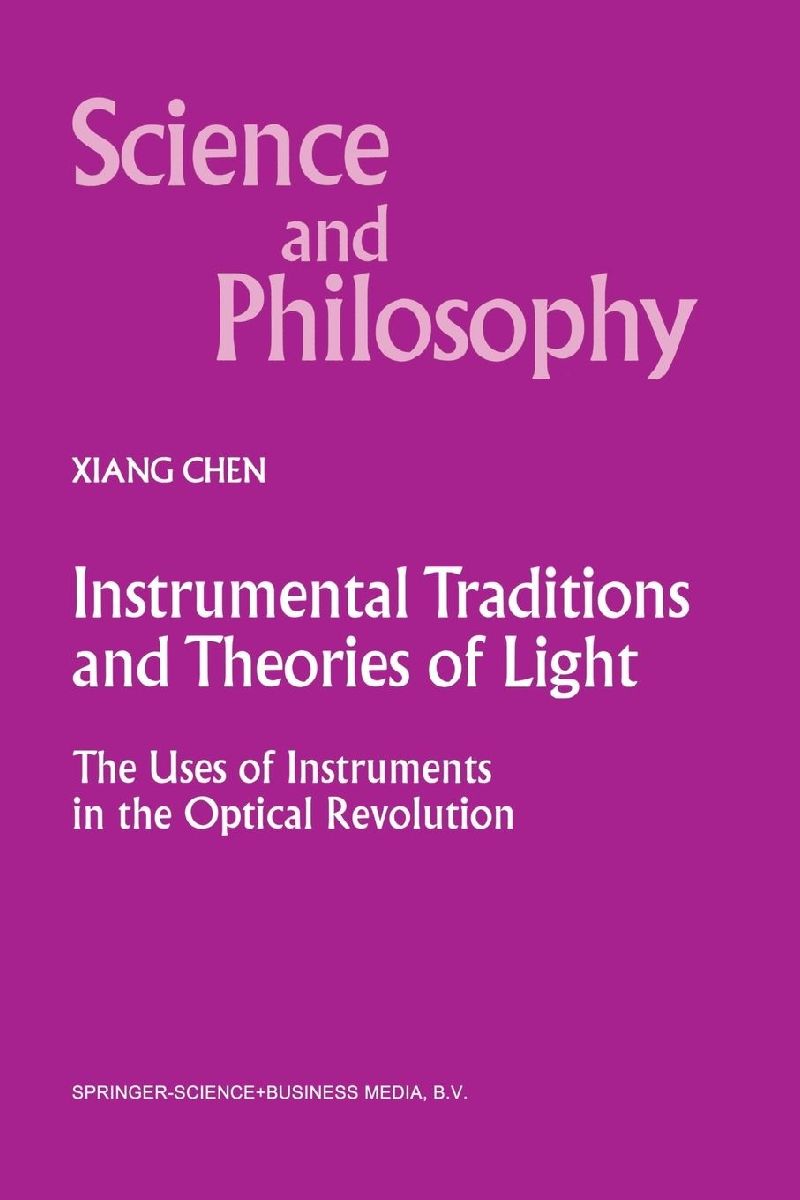
Instrumental Traditions and Theories of Light
The Uses of Instruments in the Optical Revolution
von Xiang Chen
Aus der Reihe Science and Philosophy
- Einband
- Kartoniert
- Seiten
- 240
- Sprache
- Englisch
- Erschienen
- Oktober 2012
- Verlag
- Springer
Buchbeschreibung
An analysis of the optical revolution in the context of early 19th century Britain.
Far from merely involving the replacement of one optical theory by another, the revolution also involved substantial changes in instruments and the practices that surrounded them. People's judgements about classification, explanation and evaluation were affected by the way they used such optical instruments as spectroscopes, telescopes, polarisers, photometers, gratings, prisms and apertures.
Ganze Beschreibung lesenWeniger anzeigen
There were two instrumental traditions in this historical period, each of which nurtured a body of practice that exemplified how optical instruments should be operated, and especially how the eye should be used. These traditions functioned just like paradigms, shaping perspectives and even world views.
Readership: Scholars and graduate students in the history of science, history of instrument, philosophy of science and science studies. Can also be used as a textbook in graduate courses on 19th century physics.
Inhaltsverzeichnis
- 1. Comparisons of Explanatory Power
- 1. Introducing the wave theory to Britain
- 2. Comparing the explanatory powers
- 3. The reflection of a particle theorist
- 4. Improving the explanatory power of the particle theory
- 5. The problem of selective absorption
- 2. Explanatory Power and Classification
- 1. The Newtonian taxonomic systems
Ganzes Inhaltsverzeichnis anzeigen (61 Einträge)Weniger anzeigen
- 2. Herschel's synthetic attempt
- 3. Lloyd's dichotomous design
- 3. Classification and the Use of Instruments
- 1. Brewster's plate polarizers and crystal analyzers
- 2. Fresnel's innovative uses of crystal analyzers
- 3. Herschel's understanding of partial polarization
- 4. Lloyd and conical polarization
- 4. The Dispute over Dispersion
- 1. Powell's formulas of dispersion
- 2. Fraunhofer's theodolites and spectral lines
- 3. Powell's hollow prisms and spectral lines
- 4. Brewster's telescope and spectral lines
- 5. The difficulties of making gratings
- 6. The impasse in the debate
- 5. The Discovery of the "Polarity of Light"
- 1. The discovery of the "polarity of light"
- 2. Brewster's classification
- 3. The wave explanations
- 4. The setback of the wave theory
- 5. Powell's hollow prism
- 6. Stokes's solution
- 6. The Measurements of the Intensity of Light
- 1. Potter's reflecting photometer
- 2. Potter's measurements of metallic mirrors
- 3. Potter's measurements of glass mirrors
- 4. Potter's comparative photometer
- 5. The debate on the reliability of the eye
- 6. Potter's attack on the wave account of diffraction
- 7. Instrumental Traditions
- 1. Optical instruments as image-making devices
- 2. The eye as an optical instrument
- 3. Optical instruments as measuring devices
- 4. Whewell on optical measurements
- 5. The visual tradition
- 6. The geometric tradition
- 8. The Geometric
- Tradition and the Wave Theory of Light
- 1. Humboldtian sciences: measuring nature
- 2. The shortage of scientific manpower in optics
- 3. A new generation of physicists
- 4. Stokes's experiments on fluorescence
- 5. Measuring the velocity of light
- 6. The status of the wave theory
- 9. The Visual Tradition and the Closure of the Optical Revolution
- 1. Stereoscopes and the studies of space perception
- 2. Stroboscopes and the studies of visual persistence
- 3. Kaleidoscopes and the making of "philosophical toys"
- 4. Binocular cameras and the photographic industry
- 5. The end of the optical revolution
- Conclusion
- Notes
- References
- Name Index
Details
- Erscheinungstermin
- Oktober 2012
- Kategorie
- Fremdsprachige Bücher
- Einband
- Kartoniert
- Seiten
- 240
- Sprache
- Englisch
- Verlag
- Springer
- Reihe
- Science and Philosophy
- Format
- 23,5 × 15,5 cm
- Dicke
- 1,4 cm
- Gewicht
- 371 g
- EAN / ISBN-13
- 9789401058247
Versand und Rückgabe
Standardversand: 1 bis 3 Werktage, 3,99 €, kostenlos ab 35 €
Liefergebiet: Deutschland
Rücksendung: 14 Tage Widerrufsrecht. Bei einem Widerruf tragen Sie die Kosten der Rücksendung. Bei einer Falschlieferung oder einem Fehler von uns erstatten wir Ihnen das Rückporto. Den Widerruf erklären Sie über den Knopf „Vertrag widerrufen“ im Fuß der Seite.
Hersteller und ProduktsicherheitSpringer Nature Customer Service Center GmbH
Springer Nature Customer Service Center GmbH
Europaplatz 3
69115 Heidelberg
Deutschland
ProductSafety@springernature.com
Mehr aus der Reihe Science and Philosophy



Leibniz: Representation, Continuity and the Spatiotemporal
D. A. Anapolitanos
Gebunden, Englisch, 2 Ausgaben
ab 106,99 €

Ähnliche Titel
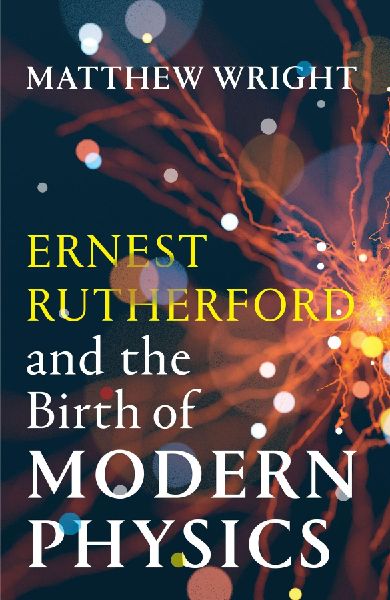
Ernest Rutherford and the Birth of Modern Physics
Matthew Wright
Gebunden, Englisch, 2 Ausgaben
ab 24,00 €
Bewertungen
Zu diesem Titel gibt es noch keine Bewertung. Bewerten kann, wer ihn bei uns gekauft hat.
So prüfen wir Bewertungen
Eine Bewertung kann bei uns nur abgeben, wer den Titel über sein Kundenkonto bei uns gekauft hat. Jede Bewertung ist fest mit der zugehörigen Bestellung verknüpft; anders kommt sie technisch gar nicht zustande. Deshalb trägt jede angezeigte Bewertung den Hinweis „Verifizierter Kauf". Wir zeigen positive wie negative Bewertungen und löschen nur bei Rechtsverstößen. Für Bewertungen gibt es keine Gegenleistung.
106,99 €Voraussichtlich 2. bis 4. Dez.