
Buch-OWLOnline-Buchhandel

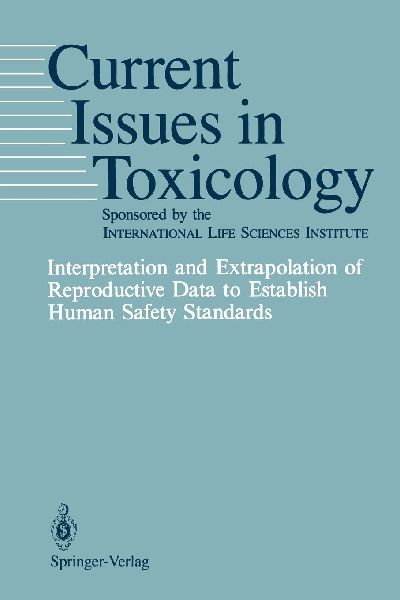
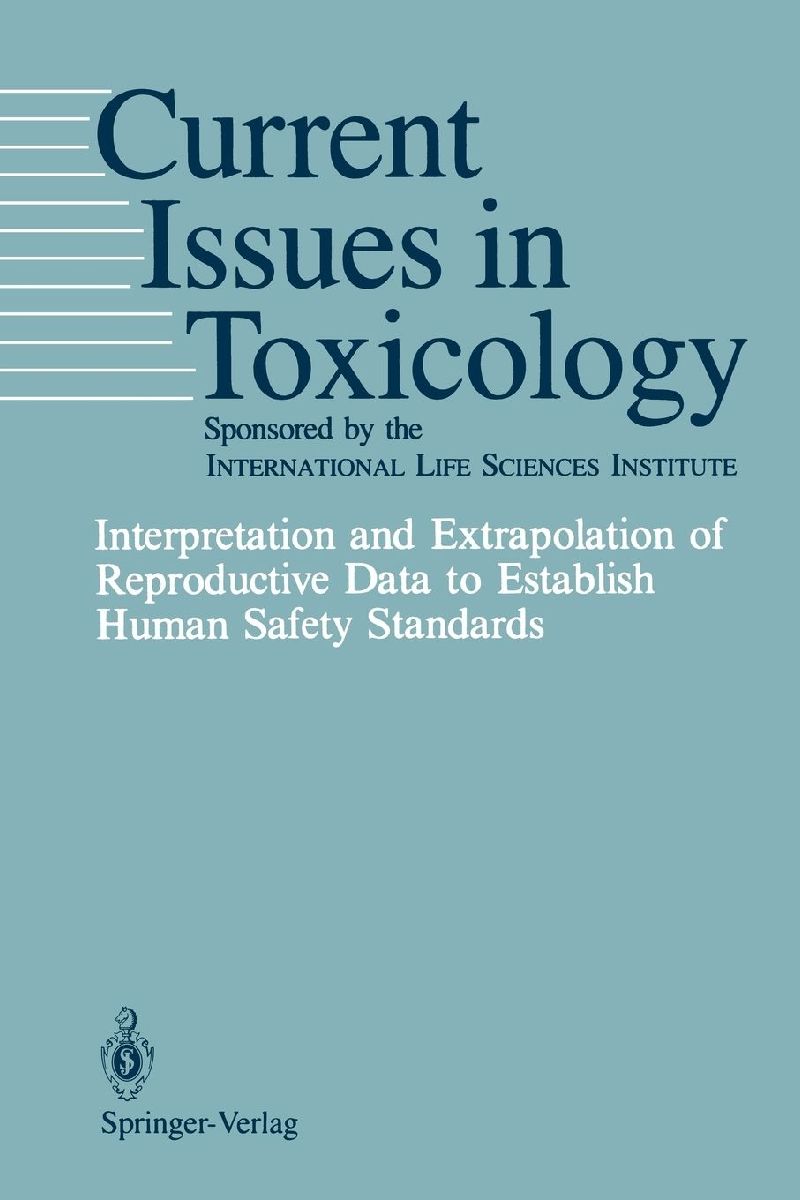
Interpretation and Extrapolation of Reproductive Data to Establish Human Safety Standards

von K. S. Khera (Hrsg.)

Herausgegeben von: K. S. Khera, Herausgegeben von: H. C. Grice, Herausgegeben von: D. J. Clegg

Aus der Reihe Current Issues in Toxicology

Einband
Kartoniert
Seiten
148
Sprache
Englisch
Erschienen
Juni 1998
Verlag
Springer

Buchbeschreibung

The International Life Sciences Institute (!LSI) is a scientific foundation that addresses critical health and safety issues of national and international con­ cern.

ILSI promotes international cooperation by providing the mechanism for scientists from government, industry, and universities to work together on cooperative programs to generate and disseminate scientific data.

Ganze Beschreibung lesenWeniger anzeigen

The mem­ bers and trustees of the institute believe that questions regarding health and safety are best resolved when scientists can examine and discuss issues as an independent body separate from the political pressures of individual countries and the economic concerns of individual companies.

Frequently, meaningful assessment of the risk of a test substance is hindered by the inherent inconsistencies in the system. The development and refine­ ment of methods and systems to evaluate the safety of chemicals have evolved in a rapid and largely unplanned fashion. Attempts to improve the system have mainly been directed toward broad general concerns, with little attention being given to specific problems or issues.

A failure to resolve these problems has frequently resulted in increased testing costs and complications in the assessment and extrapolation of the results to humans. Publicity surrounding toxicologic issues makes it difficult for governments to deal effectively with these problems.

In response to these difficulties, ILSI has assembled highly qualified and renowned scientists from research institutes, universities, government, and industry with relevant scientific knowledge and expertise regarding the issues that complicate risk assessment procedures.

Inhaltsverzeichnis

  • I. Introduction
  • II. Terminology and Definitions
  • References
  • III. Teratogenicity (Embryotoxicity) Studies: Design, Conduct, and Evaluation
  • 3.1. Introduction
  • 3.2. Protocol
  • 3.3. Conduct of the Study
  • 3.4. Evaluation of Animal Data
Ganzes Inhaltsverzeichnis anzeigen (60 Einträge)Weniger anzeigen
  • References
  • IV. Multigeneration Studies
  • 4.1. Introduction
  • 4.2. Test Protocols
  • 4.3. Test Material
  • 4.4. Test Species
  • 4.5. Route of Administration
  • 4.6. Method of Administration
  • 4.7. Dose Levels
  • 4.8. Performance of Multigeneration Studies
  • 4.9. Evaluation of Animal Data
  • References
  • V. Behavioral-Functional Teratology
  • 5.1. Introduction
  • 5.2. Review Articles
  • 5.3. Methods Currently in Use or Under Development
  • 5.4. Current Status of Testing Procedures and Use
  • 5.4.3.1. Food and Drug Administration
  • 5.4.3.2. Environmental Protection Agency
  • 5.5. Discussion
  • References
  • VI. In Vitro Developmental Toxicity Assays
  • 6.1. Introduction
  • 6.2. Assay Systems Using Submammalian Species
  • 6.3. Assay Systems Using Mammalian Species
  • 6.4. Role of In Vitro Assays for Teratogenicity
  • References
  • VII. Statistical Methods for Developmental Toxicity Studies
  • 7.1. Introduction
  • 7.2. Comparison Between Exposed and Unexposed Groups
  • 7.3. Dose-Response Models
  • 7 4 Summary and Conclusions
  • References
  • VIII. Epidemiology
  • 8.1. Introduction
  • 8.2. The Conduct of Epidemiologic Studies on Human Reproduction
  • 8.3. Descriptive Studies
  • 8.4. Etiologic Studies
  • 8.5. Characteristics of an Acceptable Human Reproduction Study
  • References
  • IX. Extrapolation of Reproductive Risks from Animal and Human Data
  • 9.1. Introduction
  • 9.2. Classification of Chemicals for In Utero Effects
  • 9.3. Methods of Risk Extrapolation
  • References
  • X. Guidelines for Reproductive Toxicity Tests in Different Countries With a Proposal for International Harmonization
  • 10.1. Introduction
  • 10.2. Current Guidelines for Reproductive Toxicity Testing
  • 10.3. Harmonization of Guidelines
  • 10.4. Steps Toward Harmonization
  • 10.5. Conclusions
  • References

Details

Erscheinungstermin
Juni 1998
Kategorie
Fremdsprachige Bücher
Einband
Kartoniert
Seiten
148
Sprache
Englisch
Verlag
Springer
Reihe
Current Issues in Toxicology
Format
23,5 × 15,5 cm
Dicke
0,9 cm
Gewicht
236 g
EAN / ISBN-13
9780387969626
Maßstabsgetreu: Deckel und Buchrücken neben einer Hand (18 cm).
Versand und Rückgabe

Standardversand: 1 bis 3 Werktage, 3,99 €, kostenlos ab 35 €

Liefergebiet: Deutschland

Rücksendung: 14 Tage Widerrufsrecht. Bei einem Widerruf tragen Sie die Kosten der Rücksendung. Bei einer Falschlieferung oder einem Fehler von uns erstatten wir Ihnen das Rückporto. Den Widerruf erklären Sie über den Knopf „Vertrag widerrufen“ im Fuß der Seite.

Hersteller und ProduktsicherheitSpringer Nature Customer Service Center GmbH
Springer Nature Customer Service Center GmbH
Europaplatz 3
69115 Heidelberg
Deutschland
ProductSafety@springernature.com

Ähnliche Titel

Bewertungen

Zu diesem Titel gibt es noch keine Bewertung. Bewerten kann, wer ihn bei uns gekauft hat.

So prüfen wir Bewertungen
Eine Bewertung kann bei uns nur abgeben, wer den Titel über sein Kundenkonto bei uns gekauft hat. Jede Bewertung ist fest mit der zugehörigen Bestellung verknüpft; anders kommt sie technisch gar nicht zustande. Deshalb trägt jede angezeigte Bewertung den Hinweis „Verifizierter Kauf". Wir zeigen positive wie negative Bewertungen und löschen nur bei Rechtsverstößen. Für Bewertungen gibt es keine Gegenleistung.
106,99 €Voraussichtlich 2. bis 4. Dez.

Inhalte ab 18

Cover von Titeln für Erwachsene, etwa erotische Romane, Manga oder Comics, bleiben unscharf, bis Sie bestätigen. Die Bestätigung gilt für alle Seiten und Tabs, bis Sie den Browser schließen.

Zurück zum Katalog