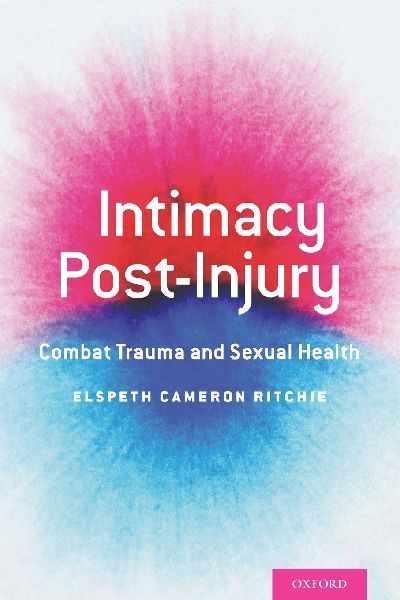
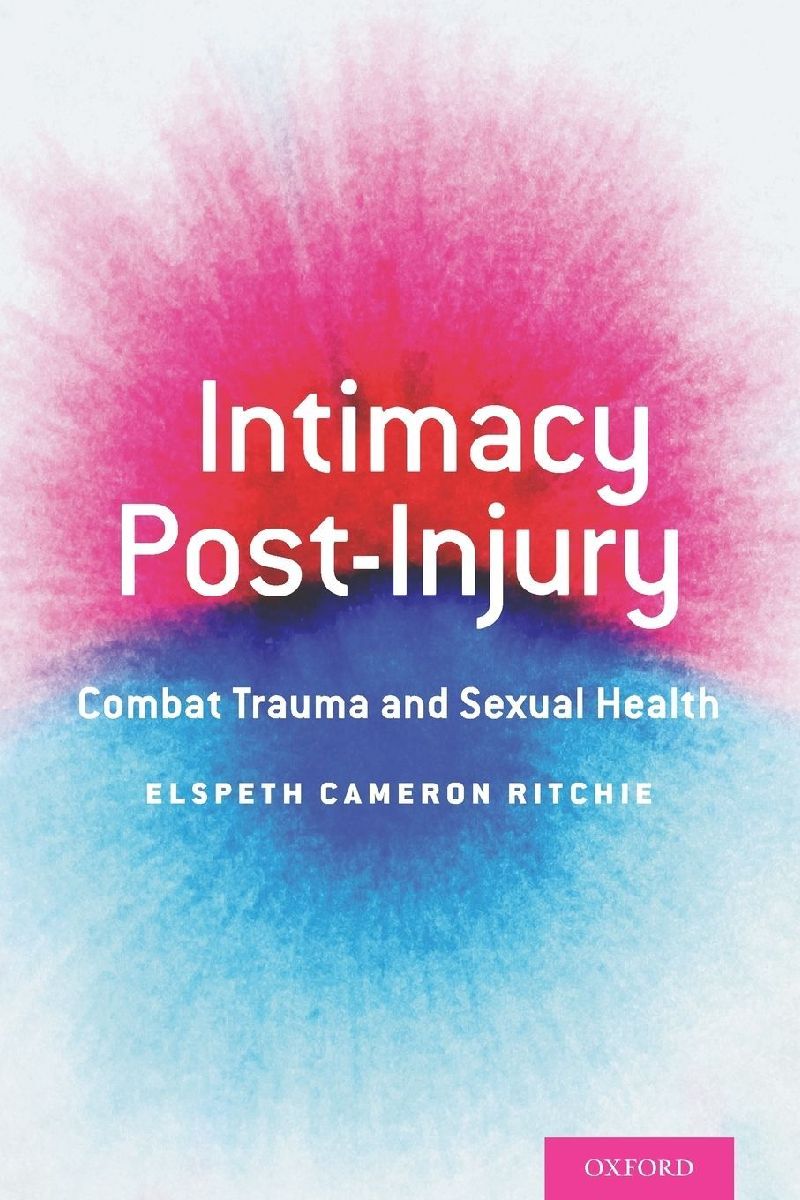
Intimacy Post-Injury
Combat Trauma and Sexual Health
von Elspeth Cameron Ritchie (Hrsg.)
Herausgegeben von: Elspeth Cameron Ritchie
- Einband
- Kartoniert
- Seiten
- 246
- Sprache
- Englisch
- Erschienen
- November 2016
- Verlag
- OUP US
Buchbeschreibung
Since September 11 2001, or "9/11", approximately 2.7 US million service members have served in the wars in Afghanistan and Iraq.
Many thousands have been wounded, with injuries ranging from mild to severe. PTSD (post traumatic stress disorder) and TBI (traumatic brain injury) have been called the "signature wounds" of war. The psychological injuries of war, PTSD and related co-morbid conditions, lead to feeling isolated from others, which directly affects intimate relationships.
Ganze Beschreibung lesenWeniger anzeigen
TBI (traumatic brain injury) is also a very common injury from these past decades of war. The treatment of PTSD and TBI involves medications that often have sexual side-effects, such as erectile dysfunction and loss of libido, weight gain, ejaculatory delay, and sedation.
The bomb blast has been the "signature weapon" of these conflicts. Service members wear helmets and body armor, which covers their torsos. Thus blasts primarily effect the lower exposed areas of the body, including the extremities and pelvic region. Numerous service members have lost one or both legs, and in some cases arms.
Because of the blast, many have lost part or all of their genitalia, their penis or testes. This loss directly impacts sexual functioning and fertility. The bomb blast or other weapons may also burn and scar faces and hands. Pain from these injuries and subsequent surgeries is a constant theme. Sexual difficulties contribute to relationship difficulties, domestic violence, and suicide.
Less well recognized is the impact of toxic exposures on sexual health. All wars are environmentally dirty. Agent Orange is the best known toxic agent from Vietnam. Anti-malarial agents, used in Iraq and Afghanistan, cause a host of neuropsychiatric effects. Sexual assault is another type of toxic exposure.
Thus there are a host of ways that exposure to combat can affect intimacy, sexual functioning and fertility. Fortunately there are many strategies to mitigate these negative effects, which are covered in detail in this book.
Inhaltsverzeichnis
- Table of Contents
- Contributors
- Introduction and Overview
- 1. A Brief Overview of the Effect of War Injuries on Sexual Health and Intimacy
- Kathryn Ellis
- 2. Intimacy versus Isolation: A Psychodynamic Clinical Reflection on Physically Injured Military Patients
- Joseph Wise
- 3. The Role of Sympathetic Nervous System in PTSD-related Male Sexual Dysfunction: Clinical Evidence and Related Interventions
Ganzes Inhaltsverzeichnis anzeigen (37 Einträge)Weniger anzeigen
- Eugene Lipov
- 4. Sexual Health and Intimacy in the Military: A Contextual Framework
- Glenn Parkinson, Martin Chin
- 5. Training Health Care Providers to Deal with Sexual Health and Intimacy Issues
- Hani Miletski
- 6. Psychosocial Issues Related to Genito-urinary Injury
- Suzanne Waddingham
- 7. Strategies, Modifications, and Adaptations for Intimate Relationships and Sexual Activity
- Kathryn Ellis
- 8. PTSD and Sexual Intimacy
- Jennifer Greenberg
- 9. Side-effects of Medications and Mitigation Strategies
- John Burger
- 10. Psychological Aspects of Infertility Post-Injury
- Laura Covington
- 11. Understanding Failed Relationships as a Factor Related to Suicide and Suicidal Behavior among Military Personnel
- Jackie Garrick
- 12. Intimacy After Intimate Partner Violence
- Glenna Tinney, April Gerlock
- 13. Intimacy After Sexual Violence
- Glenna Tinney, April Gerlock
- 14. Toxic Exposures from Service in the U.S. Military: Effects on Reproductive and Sexual Health
- Remington Nevin, Elspeth Cameron Ritchie
- 15. Genital Injury and the Psychiatric Consult Liaison Service
- Harold Wain, Lisa Young
- 16. Evolution of Sexual Trauma Treatment in the Military: Experience of a Psychiatric Partial Hospitalization Program
- Raymond Lande, Sawsan Ghurani, Cara N. Burton, Kerrie Earley
- 17. Way Ahead: Reconstructive Transplantation as an Emerging Option for Penile Restoration
- Sami Tuffaha, Gerald Brandacher, Richard Redett
Details
- Erscheinungstermin
- November 2016
- Kategorie
- Fremdsprachige Bücher
- Einband
- Kartoniert
- Seiten
- 246
- Sprache
- Englisch
- Verlag
- OUP US
- Format
- 23,4 × 15,6 cm
- Dicke
- 1,3 cm
- Gewicht
- 380 g
- EAN / ISBN-13
- 9780190461508
Über Elspeth Cameron Ritchie (Hrsg.)
COL Ritchie retired from the Army in 2010 after a distinguished career, culminating with a position as the Army's top psychiatrist. She has written and lectured extensively on military mental health and women's health issues.
Mehr über Elspeth Cameron Ritchie (Hrsg.)Weniger anzeigen
She is now the Chief of Mental Health for the Community Based Outpatient Clinics at the Wash VA. She frequently serves as a subject matter expert on military and veterans mental health issues.
Versand und Rückgabe
Standardversand: 1 bis 3 Werktage, 3,99 €, kostenlos ab 35 €
Liefergebiet: Deutschland
Rücksendung: 14 Tage Widerrufsrecht. Bei einem Widerruf tragen Sie die Kosten der Rücksendung. Bei einer Falschlieferung oder einem Fehler von uns erstatten wir Ihnen das Rückporto. Den Widerruf erklären Sie über den Knopf „Vertrag widerrufen“ im Fuß der Seite.
Hersteller und ProduktsicherheitOUP US
OUP US
Europaallee 1
36244 Bad Hersfeld
Deutschland
gpsr@libri.de
Verantwortliche Person in der EU
Libri GmbHEuropaallee 1
36244 Bad Hersfeld
Deutschland
gpsr@libri.de
Mehr von Elspeth Cameron Ritchie
Clinical Management of the Homeless Patient
Elspeth Cameron Ritchie (Hrsg.)
Kartoniert, Englisch, 2 Ausgaben
ab 106,99 €
Posttraumatic Stress Disorder and Related Diseases in Combat Veterans
Elspeth Cameron Ritchie (Hrsg.)
Kartoniert, Englisch
117,69 €
Ähnliche Titel
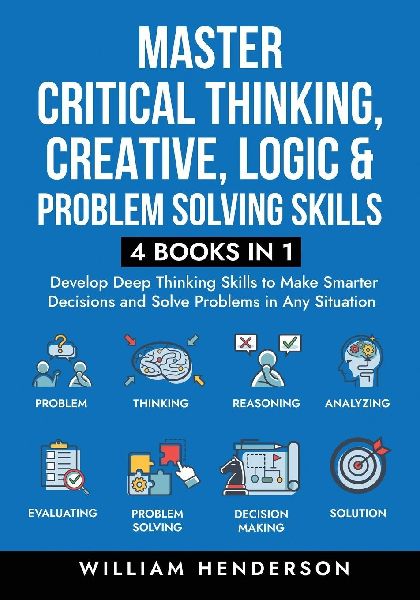
Master Critical Thinking, Creative, Logic & Problem Solving Skills (4 Books in 1)
William Henderson
Kartoniert, Englisch
20,60 €
Bewertungen
Zu diesem Titel gibt es noch keine Bewertung. Bewerten kann, wer ihn bei uns gekauft hat.
So prüfen wir Bewertungen
Eine Bewertung kann bei uns nur abgeben, wer den Titel über sein Kundenkonto bei uns gekauft hat. Jede Bewertung ist fest mit der zugehörigen Bestellung verknüpft; anders kommt sie technisch gar nicht zustande. Deshalb trägt jede angezeigte Bewertung den Hinweis „Verifizierter Kauf". Wir zeigen positive wie negative Bewertungen und löschen nur bei Rechtsverstößen. Für Bewertungen gibt es keine Gegenleistung.
81,60 €Voraussichtlich 2. bis 4. Dez.