Buch-OWLOnline-Buchhandel

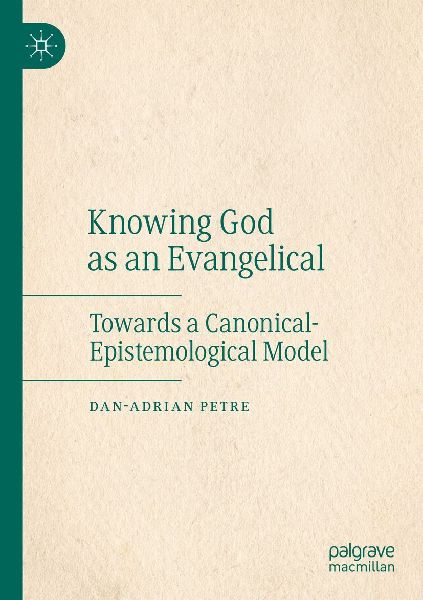
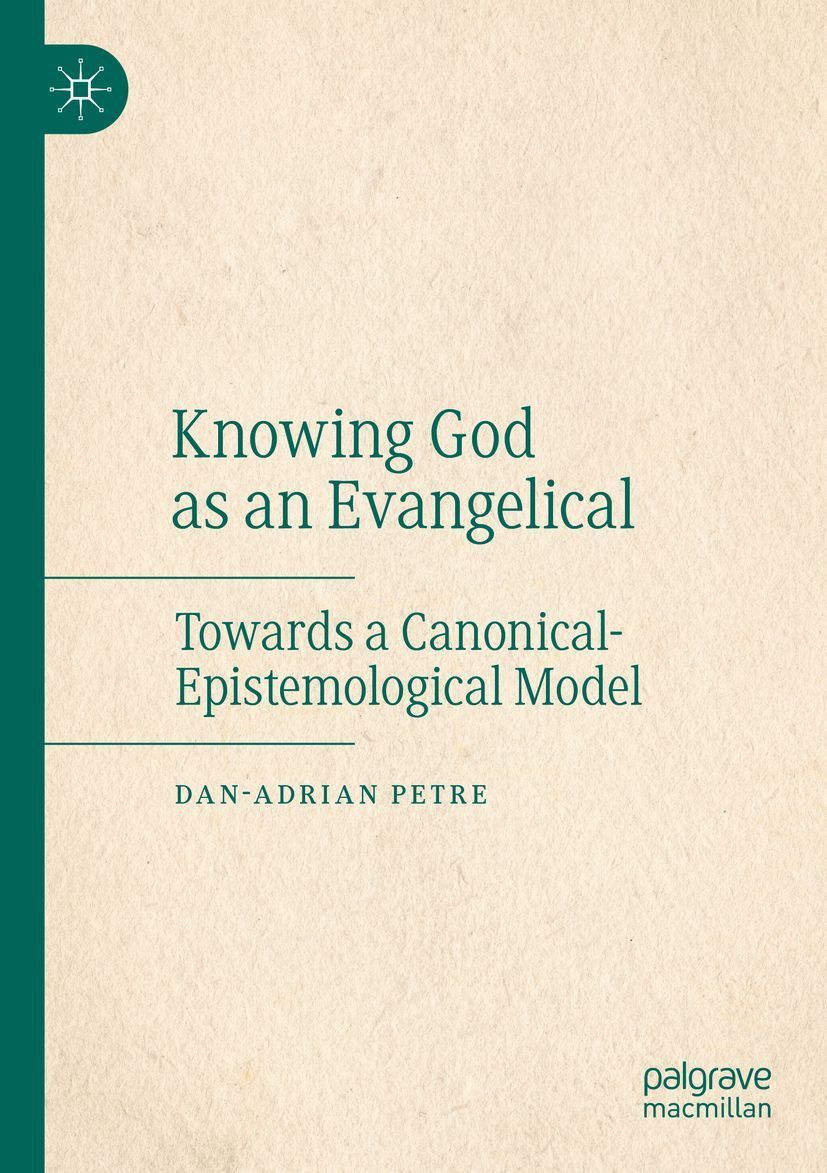
Knowing God as an Evangelical

Towards a Canonical-Epistemological Model

von Dan-Adrian Petre

Einband
Kartoniert
Seiten
316
Sprache
Englisch
Erschienen
April 2024
Verlag
Springer

Buchbeschreibung

In the present polyphony of evangelical theological epistemology, there are several authoritative approaches.

Yet, the evangelical emphasis on sola scriptura demands that theological epistemology be subjected to the biblical canon. In this book, Dan-Adrian Petre argues for a canonically-derived theological epistemological framework that may foster a fuller understanding of theological knowledge formation within evangelicalism.

Ganze Beschreibung lesenWeniger anzeigen

Specifically, he explores some representative evangelical voices to identify the reasons for the contemporary epistemological variance. Petre then uses a canonical-epistemological methodology to outline a biblically-based framework. In exploring how the Scripture conceptualizes the formation of theological knowledge, the book uses cognitive linguistics to grasp the conceptual meaning of the theological knowledge formation in the Bible using prototypical case studies.

The resulting epistemological implications outline a minimal epistemological model derived from the biblical canon. Using this vantage point, the author assesses the contemporary evangelical epistemological dissonance as a means of indicating a way forward for a canonical-epistemological attunement.

Inhaltsverzeichnis

  • 1 Evangelicals and Epistemology
  • The Need for a Canonically Based Epistemological Approach
  • Scope and Delimitations
  • What Is Evangelical?
  • Canonical-Epistemological Methodology
  • Epistemological Assumptions
  • Hermeneutical Assumptions
  • Canonical-Epistemological Method
Ganzes Inhaltsverzeichnis anzeigen (54 Einträge)Weniger anzeigen
  • 2 Theological Knowledge Formation in Contemporary Evangelical Theology
  • The Founding Fathers of Evangelicalism
  • Early Trends in Evangelical Epistemology
  • Locating Contemporary Evangelical Epistemology
  • Evidentialist Foundationalism
  • Ontological and Epistemological Assumptions
  • Formation of Theological Knowledge
  • Proper Functionalism
  • Ontological and Epistemological Assumptions
  • Formation of Theological Knowledge
  • Postfoundationalism
  • Ontological and Epistemological Assumptions
  • Formation of Theological Knowledge
  • Conflicting Models
  • Exploring a Possible Resolution
  • 3 and ¿¿¿¿¿¿¿ as Prototypical Case Studies for the Formation of Theological Knowledge in the Bible
  • Introducing Cognitive Linguistics
  • Applying Cognitive Linguistics to the Bible
  • Old Testament Cognitive Analysis
  • Profile-Base-Cognitive Domain Relations
  • Unification of Profile-Base-Domain Relations
  • Prototypical Scenario
  • The Schematic Meaning of ¿¿¿
  • New Testament Cognitive Analysis
  • Profile-Base-Cognitive Domain Relations
  • Unification of Profile-Base-Domain Relations
  • Prototypical Scenario
  • The Schematic Meaning of ¿¿¿¿¿¿¿
  • Conclusions
  • 4 Towards a Canonical Model of Theological Knowledge Formation
  • Theological Knowledge Formation Entails Embodied Awareness
  • Theological Knowledge Formation Is Relational-Participative
  • Theological Knowledge Formation Is Revelational
  • Theological Knowledge Formation Is Temporal-Historical
  • Theological Knowledge Formation Is Both Communitarian and Individual
  • Theological Knowledge Formation Is Fostered by Mission
  • Theological Knowledge Formation Is Fostered by Covenantal Obedience
  • A Critical Conversation of the Evangelical Epistemological Models
  • Comparison of Ontological and Epistemological Assumptions
  • Comparison of the Formation of Theological Knowledge
  • 5 Conclusions and Recommendations
  • Appendix A: Meaning of ¿¿¿ in Lexicons and Theological Dictionaries
  • Appendix B: Trajector-Landmark-Cognitive Domain Relationship for ¿¿¿
  • Appendix C: Meaning of ¿¿¿¿¿¿¿ in Lexicons and Theological Dictionaries
  • Appendix D: Trajector-Landmark-Cognitive Domain Relationship for ¿¿¿¿¿¿¿
  • Appendix E: Occurrences of Temporal and Atemporal Profiles for ¿¿¿ and ¿¿¿¿¿¿¿

Details

Erscheinungstermin
April 2024
Kategorie
Fremdsprachige Bücher
Einband
Kartoniert
Seiten
316
Sprache
Englisch
Verlag
Springer
Format
21,0 × 14,8 cm
Dicke
1,8 cm
Gewicht
411 g
EAN / ISBN-13
9783031265587
Maßstabsgetreu: Deckel und Buchrücken neben einer Hand (18 cm).

Über Dan-Adrian Petre

Dan-Adrian Petre is a lecturer in theology at Adventus University of Cernica, Romania.

Versand und Rückgabe

Standardversand: 1 bis 3 Werktage, 3,99 €, kostenlos ab 35 €

Liefergebiet: Deutschland

Rücksendung: 14 Tage Widerrufsrecht. Bei einem Widerruf tragen Sie die Kosten der Rücksendung. Bei einer Falschlieferung oder einem Fehler von uns erstatten wir Ihnen das Rückporto. Den Widerruf erklären Sie über den Knopf „Vertrag widerrufen“ im Fuß der Seite.

Hersteller und ProduktsicherheitSpringer Nature Customer Service Center GmbH
Springer Nature Customer Service Center GmbH
Europaplatz 3
69115 Heidelberg
Deutschland
ProductSafety@springernature.com

Ähnliche Titel

Bewertungen

Zu diesem Titel gibt es noch keine Bewertung. Bewerten kann, wer ihn bei uns gekauft hat.

So prüfen wir Bewertungen
Eine Bewertung kann bei uns nur abgeben, wer den Titel über sein Kundenkonto bei uns gekauft hat. Jede Bewertung ist fest mit der zugehörigen Bestellung verknüpft; anders kommt sie technisch gar nicht zustande. Deshalb trägt jede angezeigte Bewertung den Hinweis „Verifizierter Kauf". Wir zeigen positive wie negative Bewertungen und löschen nur bei Rechtsverstößen. Für Bewertungen gibt es keine Gegenleistung.
171,19 €Voraussichtlich 2. bis 4. Dez.

Inhalte ab 18

Cover von Titeln für Erwachsene, etwa erotische Romane, Manga oder Comics, bleiben unscharf, bis Sie bestätigen. Die Bestätigung gilt für alle Seiten und Tabs, bis Sie den Browser schließen.

Zurück zum Katalog