Nanoparticle- and Microparticle-based Delivery Systems
David Julian Mcclements
Kartoniert, Englisch, 2 Ausgaben
ab 149,40 €
Aus der Reihe Copernicus Books
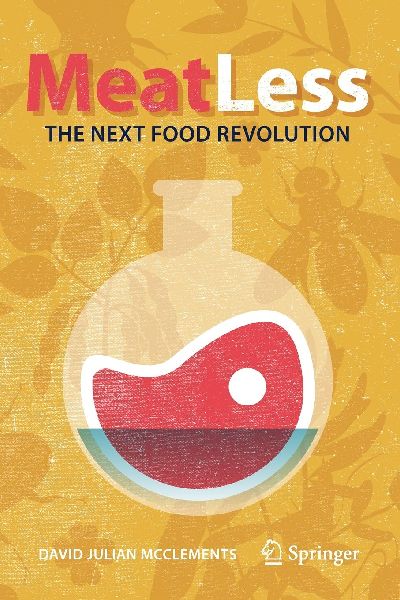
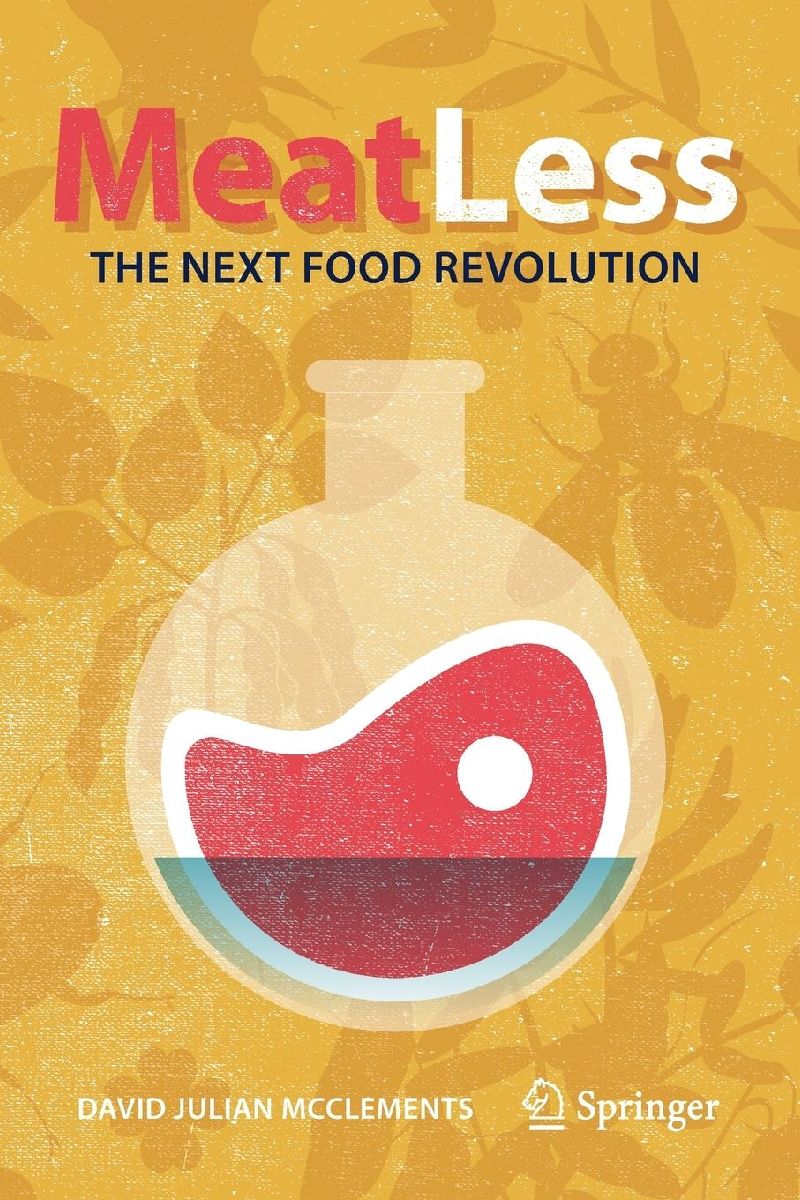
Reducing the amount of meat in our diet would have major environmental benefits, including reducing greenhouse gas emissions, pollution, deforestation, and biodiversity loss.
Moreover, it would have wide-ranging ethical benefits by decreasing the huge number of livestock animals confined and killed each year for food. For consumers, there may also be health benefits from a meat-less diet, provided it was carefully planned.
Advances in modern science and technology, including plant-based, microbial, lab-grown, and insect meats, are revolutionizing the food industry and making it easier for consumers worldwide to maintain a meat-less diet.
In Meat Less: The Next Food Revolution I outline my own journey as a food scientist who became a vegetarian in solidarity with my daughter. In writing this book I take the viewpoint that there are no easy answers and that everyone must make the decision to eat meat or not based on their own values.
The first chapters examine the impact of meat consumption on the environment, human health, and animal welfare, including the important questions of how much does eating meat really contribute to greenhouse gas emissions, pollution, and biodiversity loss, what are the ethical implications of raising and killing animals for food, and the impact of reducing meat consumption on human nutrition and health.
I then discuss some of the new technologies that are being developed to create alternatives to meat, including plant-based meat, cultured (lab-grown) meat, microbial meat, and insect meat. I present the science behind these new technologies and their potential for making a difference to climate change and human health.
In the final chapter, I discuss why I remain a vegetarian and have decided to dedicate the rest of my scientific career to finding sustainable and healthy alternatives to meat, presenting my vision of the human diet in 2050.
Lutz Grossmann ist momentan Assistant Professor im Department of Food Science an der University of Massachusetts Amherst (USA). Sein Forschungsschwerpunkt liegt im Bereich der nachhaltigen Lebensmittelmaterialwissenschaft.
David Julian McClements ist Distinguished Professor im Department of Food Science an der University of Massachusetts (USA). Er konzentriert sich in seiner Forschung auf Biopolymere und Kolloide in Lebensmitteln und entwickelt dabei strukturelle Designprinzipien für die Herstellung von gesünderen und nachhaltigeren Lebensmitteln. Er hat zahlreiche Bücher und über 1400 wissenschaftliche Artikel veröffentlicht und ist einer der am häufigsten zitierten Wissenschaftler der Welt.
Anja Maria Wagemans ist momentan Juniorprofessorin für Lebensmittelbiowissenschaften an der Technischen Universität Berlin und wird ab 2024 die Professur für Lebensmitteltechnik an der Technischen Universität Dresden übernehmen. Ihr Forschungsschwerpunkt liegt in der Aufklärung von Struktur-Funktionsbeziehungen tierischer, mikrobieller und pflanzlicher Biopolymere in lebensmitteltechnologischen Prozessen.
Standardversand: 1 bis 3 Werktage, 3,99 €, kostenlos ab 35 €
Liefergebiet: Deutschland
Rücksendung: 14 Tage Widerrufsrecht. Bei einem Widerruf tragen Sie die Kosten der Rücksendung. Bei einer Falschlieferung oder einem Fehler von uns erstatten wir Ihnen das Rückporto. Den Widerruf erklären Sie über den Knopf „Vertrag widerrufen“ im Fuß der Seite.
David Julian Mcclements
Kartoniert, Englisch, 2 Ausgaben
ab 149,40 €
David Julian Mcclements
Kartoniert, Englisch
32,09 €
Congenius Ag
Gebunden, Englisch
49,00 €
Päivi Naskali (Hrsg.)
Kartoniert, Englisch, 2 Ausgaben
ab 90,94 €
Zu diesem Titel gibt es noch keine Bewertung. Bewerten kann, wer ihn bei uns gekauft hat.