Buch-OWLOnline-Buchhandel

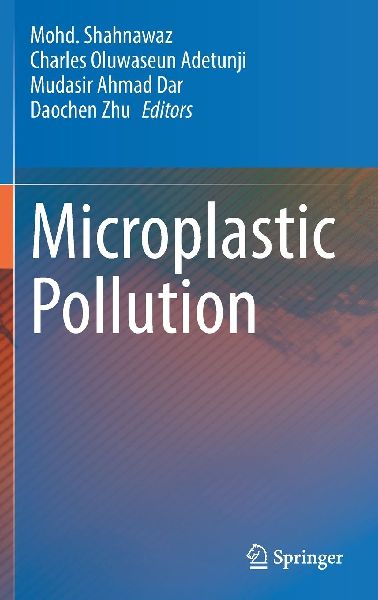
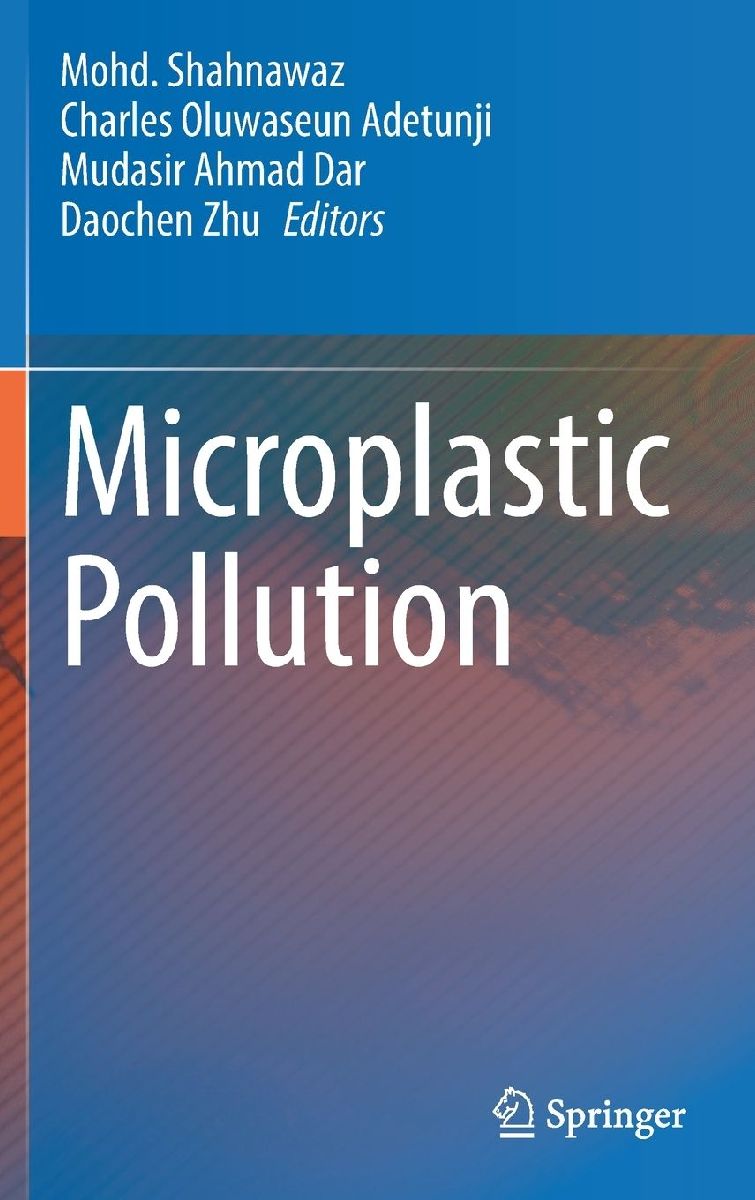
Microplastic Pollution

von Mohd. Shahnawaz (Hrsg.)

Herausgegeben von: Mohd. Shahnawaz, Herausgegeben von: Charles Oluwaseun Adetunji, Herausgegeben von: Mudasir Ahmad Dar, und weitere

Einband
Gebunden
Seiten
568
Sprache
Englisch
Erschienen
April 2024
Verlag
Springer

Buchbeschreibung

This edited volume covers cutting-edge research on different facets of microplastic pollution at the global level.

The book describes different types of microplastics, their sources, transportation, extraction, identification, deleterious effects (on flora and fauna) and various mitigation measures. This book discusses recent advances in microplastic pollution and suggests future research directions to mitigate microplastic at the global level.

Ganze Beschreibung lesenWeniger anzeigen

It constitutes six important sections to report different facets of microplastic pollution. Section 1 deals with microplastic types, sources, uses and transport from land to aquatic environment; Section 2 reports detection, collections, extraction and identification of different types of microplastic from various polluting sites; Section 3 suggests cleaning drives for the removal of microplastic from the polluting sites; Section 4 highlights the impact of microplastic waste on flora and fauna in both terrestrial and aquatic environments; Section 5 enlists various microplastic degradation approaches to mitigate microplastic; and Section 6 discusses recent regulations/policies to minimize microplastic generation, followed by future research directions to mitigate microplastic pollution at global level.

This book is of interest and useful to professionals working on microplastic mitigation, environment protection and waste management, NGOs and policymakers.

Inhaltsverzeichnis

  • Part 1. General Overview of Types, Source, Application and transportation of Microplastic from land to marine
  • 1. General Introduction of microplastic: uses, Types and generation
  • 2. Primary microplastic: source, uses, transportation from land to marine environment
  • 3. Sources, uses and transport of secondary microplastic from land to marine environment
  • 4. Usage of microplastic beads in pharmaceuticals and cosmetics industry: a review
  • 5. Application of microplastic in toiletry products
  • Part 2. Different Key sources of microplastic pollution
  • 6. Waste water treatment plants as hotspots of microplastic pollution
Ganzes Inhaltsverzeichnis anzeigen (34 Einträge)Weniger anzeigen
  • 7. Microplastics originating from paints and synthetic textile materials
  • 8. Fishing gears and nets as a source of microplastic
  • 9. Tyres, bitumen wear and plastic bottles, other single used plastic as major source of microplastic
  • Part 3. Reports on Collection, Identification, Estimation and Removal of microplastics from the contaminated
  • 10. Reports on collection, identification and estimation of microplastic in the freshwater bodies
  • 11. Detection, collection, identification and estimation of microplastic from the marine environment: An overview
  • 12. Detection of microplastic in waste water treatment plants
  • 13. Report of microplastic presence in drinking water
  • 14. Detection of microplastic in sea food.-15. Reports of microplastic in human blood
  • 16. Removal of microplastic from the waste water treatment plants
  • Part 4. Entry of microplastic in the food chain and its toxicity and impact on terrestrial flora and fauna
  • 17. Entry of the microplastic in the food chain and food web
  • 18. Insect interactions with microplastics under different ecosystem
  • 19. Microplastic as a pathogenic vector to cause diseases in marine biota
  • 20. Microplastic to accumulate microbial pathogens in the terrestrial environment
  • 21. Impact ofmicroplastic on physiology of benthos
  • 22. Microplastics and Microorganisms - A Evolutionary Symbiosis in Terrestrial Environment
  • 23. Insights of the toxic impact of microplastic on the flora
  • 24. Toxicity of microplastic on the flora and fauna of the freshwater ecosystem: An overview
  • 25. Photocatalytic degradation of microplastic in the environment
  • Part 5. Microbial approaches to degrade microplastic pollution
  • 26. Biodegradation of microplastic using bacterial cultures
  • 27. Myco- degradation of microplastic
  • 28. Reports of Actinomycetes to degrade microplastic
  • 29. Algal-based degradation of microplastic: Prospects for Combating Microplastic Pollution
  • 30. Recent trends to address the microplastic waste at global level

Details

Erscheinungstermin
April 2024
Kategorie
Fremdsprachige Bücher
Einband
Gebunden
Seiten
568
Sprache
Englisch
Verlag
Springer
Format
24,1 × 16,0 cm
Dicke
3,6 cm
Gewicht
958 g
EAN / ISBN-13
9789819983568
Maßstabsgetreu: Deckel und Buchrücken neben einer Hand (18 cm).
Versand und Rückgabe

Standardversand: 1 bis 3 Werktage, 3,99 €, kostenlos ab 35 €

Liefergebiet: Deutschland

Rücksendung: 14 Tage Widerrufsrecht. Bei einem Widerruf tragen Sie die Kosten der Rücksendung. Bei einer Falschlieferung oder einem Fehler von uns erstatten wir Ihnen das Rückporto. Den Widerruf erklären Sie über den Knopf „Vertrag widerrufen“ im Fuß der Seite.

Hersteller und ProduktsicherheitSpringer Nature Customer Service Center GmbH
Springer Nature Customer Service Center GmbH
Europaplatz 3
69115 Heidelberg
Deutschland
ProductSafety@springernature.com

Mehr von Mohd. Shahnawaz

Ähnliche Titel

Bewertungen

Zu diesem Titel gibt es noch keine Bewertung. Bewerten kann, wer ihn bei uns gekauft hat.
So prüfen wir Bewertungen
Eine Bewertung kann bei uns nur abgeben, wer den Titel über sein Kundenkonto bei uns gekauft hat. Jede Bewertung ist fest mit der zugehörigen Bestellung verknüpft; anders kommt sie technisch gar nicht zustande. Deshalb trägt jede angezeigte Bewertung den Hinweis „Verifizierter Kauf". Wir zeigen positive wie negative Bewertungen und löschen nur bei Rechtsverstößen. Für Bewertungen gibt es keine Gegenleistung.
235,39 €Voraussichtlich 7. bis 9. Dez.

Inhalte ab 18

Cover von Titeln für Erwachsene, etwa erotische Romane, Manga oder Comics, bleiben unscharf, bis Sie bestätigen. Die Bestätigung gilt für alle Seiten und Tabs, bis Sie den Browser schließen.

Zurück zum Katalog