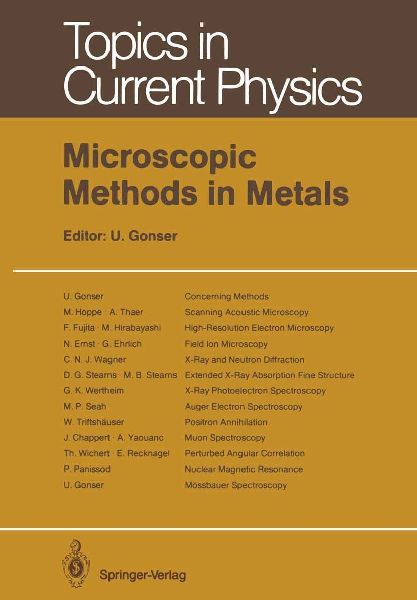
Microscopic Methods in Metals
Herausgegeben von: Ulrich Gonser
Aus der Reihe Topics in Current Physics
- Einband
- Kartoniert
- Seiten
- 476
- Sprache
- Englisch
- Erschienen
- Februar 2012
- Verlag
- Springer
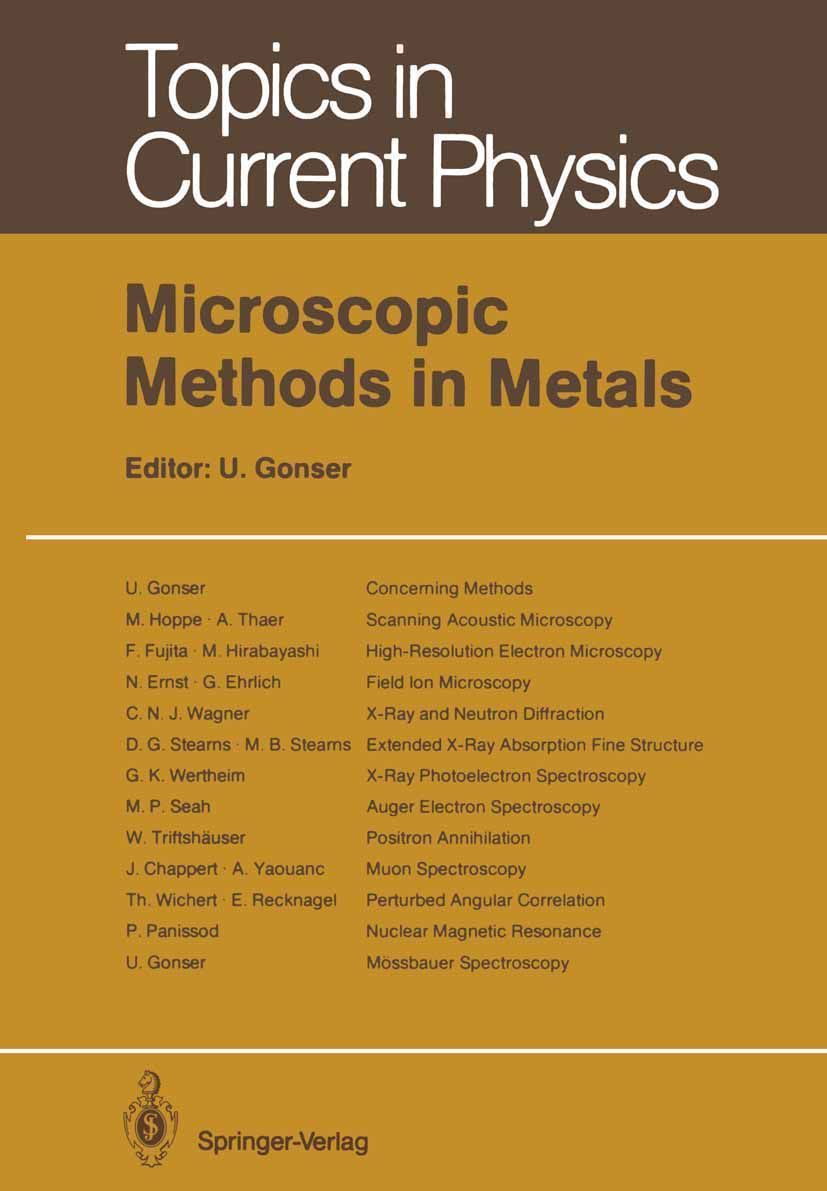
Buchbeschreibung
Methods of scientific investigation can be divided into two categories: they are either macroscopic or microscopic in nature.
The former are generally older, classical methods where the sample as a whole is studied and various local prop erties are deduced by differentiation. The microscopic methods, on the other hand, have been discovered and developed more recently, and they operate for the most part on an atomistic scale.
Ganze Beschreibung lesenWeniger anzeigen
Glancing through the shelves of books on the various scientific fields, and, in particular, on the field of physical metallurgy, we are surprised at how lit tle consideration has been given to the microscopic methods. How these tools provide new insight and information is a question which so far has not at tracted much attention.
Similar observations can be made at scientific confer ences, where the presentation of papers involving microscopic methods is often pushed into a far corner. This has led users of such methods to organize their own special conferences. The aim of this book is to bridge the present gap and encourage more interaction between the various fields of study and selected microscopic meth ods, with special emphasis on their suitability for investigating metals.
In each case the principles of the method are reviewed, the advantages and successes pointed out, but also the shortcomings and limitations indicated.
Inhaltsverzeichnis
- 1. Concerning Methods
- 1.1 Descriptive Methods
- 1.2 Abbreviated Methods
- 1.3 Name-Tag Methods
- 2. Scanning Acoustic Microscopy
- 2.1 Principle of Scanning Acoustic Microscopy (SAM)
- 2.2 The Image Contrast of Solids in the Reflection Scanning Acoustic Microscope; V(z)-Curves
- 2.3 Examples of Practical Applications of Reflection Scanning Acoustic Microscopy
Ganzes Inhaltsverzeichnis anzeigen (88 Einträge)Weniger anzeigen
- 2.4 Outlook
- References27
- 3. High-Resolution Electron Microscopy
- 3.1 Background
- 3.2 Basic Principles of High-Resolution Electron Microscopy
- 3.3 Applications
- 3.4 Outlook
- References
- 4. Field Ion Microscopy
- 4.1 Principles and Techniques
- 4.2 Illustrative FIM Studies
- References
- 5. X-Ray and Neutron Diffraction
- 5.1 Diffraction of Neutrons and X-Rays by Poly- and Non-Crystalline Alloys
- 5.2 Experimental Techniques
- 5.3 Applications
- References
- 6. Extended X-Ray Absorption Fine Structure
- 6.1 Theory
- 6.2 Experimental Techniques
- 6.3 Analysis
- 6.4 Experimental Applications
- References
- 7. X-Ray Photoelectron Spectroscopy
- 7.1 Historical
- 7.2 Basic Principles
- 7.3 Related Methods
- 7.4 Applications
- 7.5 Recent Developments
- References
- 8. Auger Electron Spectroscopy
- 8.1 History
- 8.2 Principles
- 8.3 The Instrument
- 8.4 Related Methods
- 8.5 Applications
- 8.6 Future Developments
- References
- 9. Positron Annihilation
- 9.1 Background
- 9.2 Basic Principles
- 9.4 Applications
- 9.5 Conclusions and Outlook
- References
- 10. Muon Spectroscopy
- 10.1 Basic Principles of the Experimental Techniques
- 10.2 The Depolarization Functions
- 10.3 Diffusion Studies by ?+ SR
- 10.4 Magnetic Studies by ?+ SR
- 10.5 Conclusions
- References
- 11. Perturbed Angular Correlation
- 11.1 Background
- 11.2 Principles
- 11.3 Detection of Hyperfine Fields
- 11.4 Radioactive Probes, Preparationand Techniques
- 11.5 Applications
- 11.6 Future Developments and Conclusions
- References
- 12. Nuclear Magnetic Resonance
- 12.1 Introductory Comments
- 12.2 Physical Background of an NMR Experiment - Hyperfine Interactions
- 12.3 Basic NMR Experiment - Principles and Setup
- 12.4 NMR Outputs - Microscopic Origin
- 12.5 Applications - Structural Investigations
- 12.7 Conclusion and Outlook
- References
- 13. Mössbauer Spectroscopy
- 13.1 History
- 13.2 Principles
- 13.3 Mössbauer Isotopes
- 13.4 Methodology
- 13.5 Hyperfine Interactions
- 13.5.1 Isomer Shift
- 13.6 Relativistic Effects
- 13.7 Time-Dependent Effects
- 13.8 Applications
- 13.9 Outlook
- References
- Additional References with Titles
Details
- Erscheinungstermin
- Februar 2012
- Kategorie
- Fremdsprachige Bücher
- Einband
- Kartoniert
- Seiten
- 476
- Sprache
- Englisch
- Verlag
- Springer
- Reihe
- Topics in Current Physics
- Format
- 24,4 × 17,0 cm
- Dicke
- 2,6 cm
- Gewicht
- 814 g
- EAN / ISBN-13
- 9783642465734
Versand und Rückgabe
Standardversand: 1 bis 3 Werktage, 3,99 €, kostenlos ab 35 €
Liefergebiet: Deutschland
Rücksendung: 14 Tage Widerrufsrecht. Bei einem Widerruf tragen Sie die Kosten der Rücksendung. Bei einer Falschlieferung oder einem Fehler von uns erstatten wir Ihnen das Rückporto. Den Widerruf erklären Sie über den Knopf „Vertrag widerrufen“ im Fuß der Seite.
Hersteller und ProduktsicherheitSpringer Nature Customer Service Center GmbH
Springer Nature Customer Service Center GmbH
Europaplatz 3
69115 Heidelberg
Deutschland
ProductSafety@springernature.com
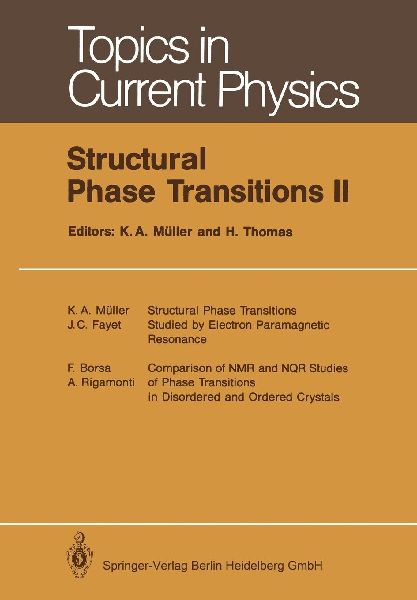
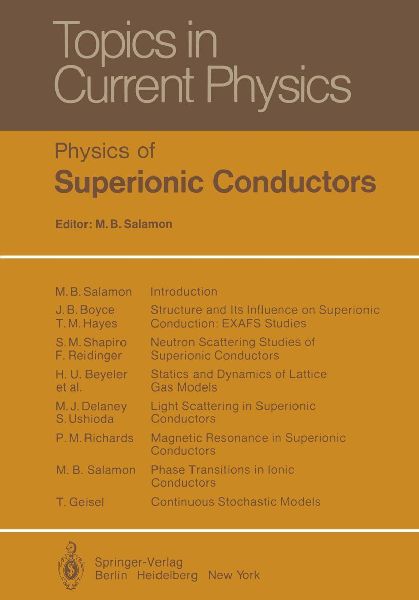
Mehr aus der Reihe Topics in Current Physics


Ähnliche Titel


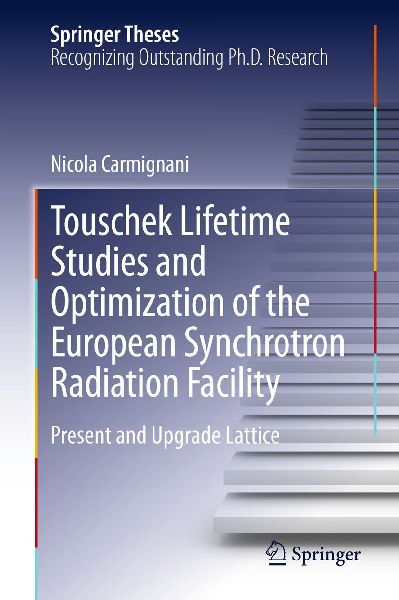
Touschek Lifetime Studies and Optimization of the European Synchrotron Radiation Facility
Nicola Carmignani
Gebunden, Englisch
106,99 €

Bewertungen
Zu diesem Titel gibt es noch keine Bewertung. Bewerten kann, wer ihn bei uns gekauft hat.
So prüfen wir Bewertungen
Eine Bewertung kann bei uns nur abgeben, wer den Titel über sein Kundenkonto bei uns gekauft hat. Jede Bewertung ist fest mit der zugehörigen Bestellung verknüpft; anders kommt sie technisch gar nicht zustande. Deshalb trägt jede angezeigte Bewertung den Hinweis „Verifizierter Kauf". Wir zeigen positive wie negative Bewertungen und löschen nur bei Rechtsverstößen. Für Bewertungen gibt es keine Gegenleistung.
53,49 €Voraussichtlich 1. bis 3. Dez.