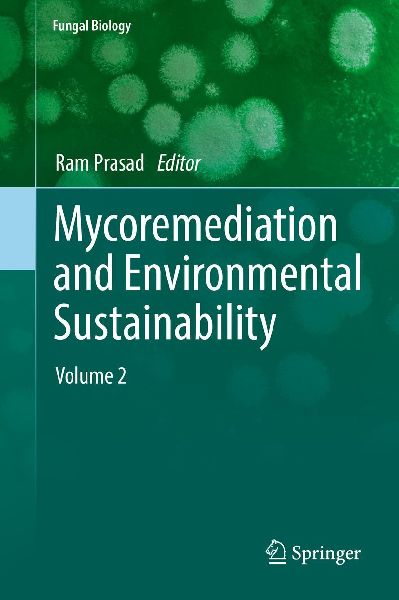
Mycoremediation and Environmental Sustainability
Volume 2
Herausgegeben von: Ram Prasad
Aus der Reihe Fungal Biology
- Einband
- Gebunden
- Seiten
- 412
- Sprache
- Englisch
- Erschienen
- Juni 2018
- Verlag
- Springer
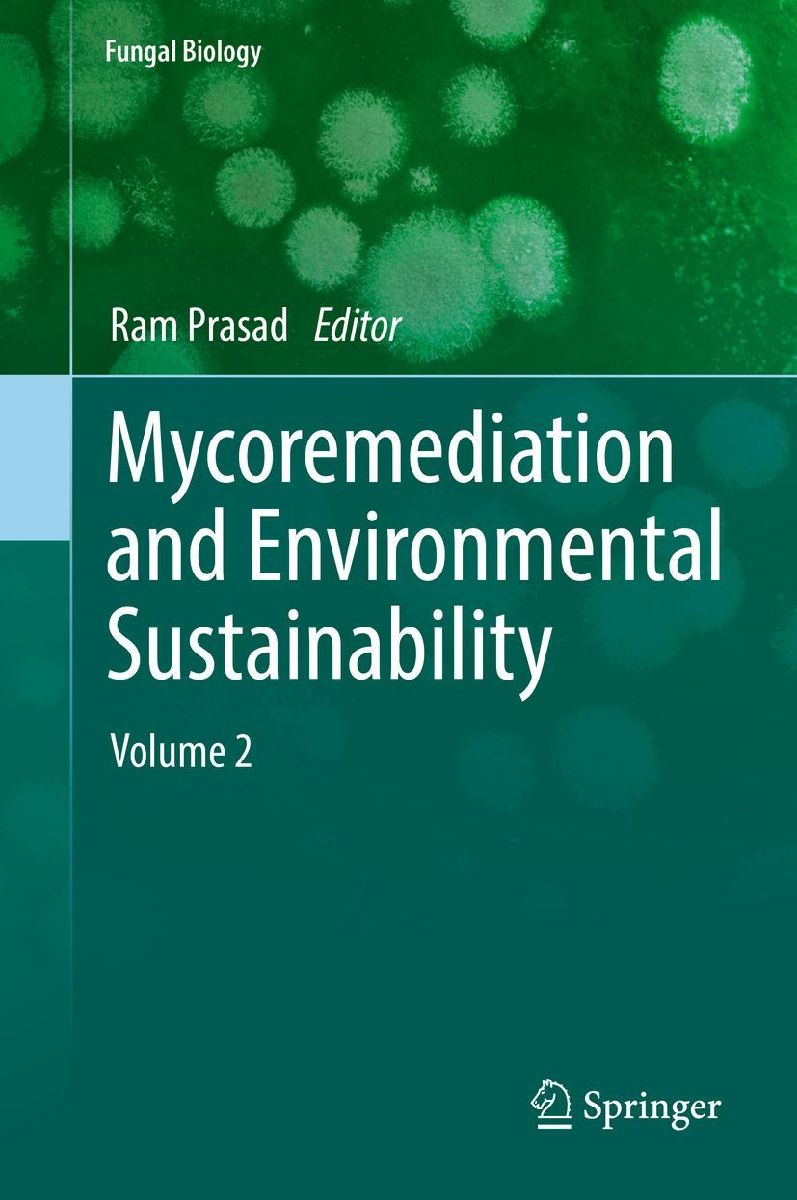
Buchbeschreibung
Bioremediation is the use of microorganisms' metabolism to degrade waste contaminants (sewage, domestic, and industrial effluents) into non-toxic or less toxic materials by natural biological processes.
Volume 2 offers new discussion of remediation through fungi-or mycoremediation-and its multifarious possibilities in applied remediation engineering and the future of environmental sustainability.
Ganze Beschreibung lesenWeniger anzeigen
Fungi have the biochemical and ecological capability to degrade environmental organic chemicals and to decrease the risk associated with metals, semi-metals, noble metals, and radionuclides, either by chemical modification or by manipulating chemical bioavailability.
Additional expanded texts shows the capability of these fungi to form extended mycelia networks, the low specificity of their catabolic enzymes, and their use against pollutants as a growth substrate, making these fungi well suited for bioremediation processes. Their mycelia exhibit the robustness of adapting to highly limiting environmental conditions often experienced in the presence of persistent pollutants, which makes them more useful compared to other microbes.
Despite dominating the living biomass in soil and being abundant in aquatic ecosystems, however, fungi have not been exploited for the bioremediation of such environments until this added Volume 2. This book covers the various types of fungi and associated fungal processes used to clean up waste and wastewaters in contaminated environments and discusses future potential applications.
Inhaltsverzeichnis
- Preface
- Bioremediation Applications with Fungi¿¿
- Role of Phytochelatines (PCs), Metallothionines (MTs) and Heavy metal ATPase (HMA) Genes in Heavy Metal Tolerance
- Production of Biooils from Microbial Biomasses
- Mycoremediation of Agricultural soil: Bioprospection for sustainable development
- Bioremediation and Decolorization of Textile Dyes by White Rot Fungi and Laccase Enzymes
- Mycoremediation of Common Agricultural Pesticides
- Bioremediation of Insecticides by White Rot Fungi and its Environmental Relevance
Ganzes Inhaltsverzeichnis anzeigen (16 Einträge)Weniger anzeigen
- An Overview of Fungal Applications in the Valorization of Lignocelullosic Agricultural By-products: The case of Two-phase Olive Mill Wastes
- Fungal Conversion and Valorization of Winery Wastes
- Biosorption of Dye and Heavy Metal Pollutants by Fungal Biomass: A Sustainable Approach
- Application of Myconanotechnology in the Sustainable Management of Crop Production System
- Obligate Marine Fungi and Bioremediation
- Mycoremediation Mechanisms for Heavy Metal Resistance/Tolerance in Plants
- Fungal Derived Chitosan Based Nanocomposites: A Sustainable Approach for Heavy Metal Biosorption and Environmental Management
- Index
Details
- Erscheinungstermin
- Juni 2018
- Kategorie
- Fremdsprachige Bücher
- Einband
- Gebunden
- Seiten
- 412
- Sprache
- Englisch
- Verlag
- Springer
- Reihe
- Fungal Biology
- Format
- 24,1 × 16,0 cm
- Dicke
- 2,8 cm
- Gewicht
- 730 g
- EAN / ISBN-13
- 9783319773858
Über Ram Prasad (Hrsg.)
Ram Prasad is Assistant Professor at the Amity Institute of Microbial Technology, Amity University, Uttar Pradesh, India. Dr. Prasad completed his Ph. D.
Mehr über Ram Prasad (Hrsg.)Weniger anzeigen
at the Department of Microbiology, Chaudhary Charan Singh University, Meerut, UP, India, in collaboration with School of Life Sciences, Jawaharlal Nehru University (JNU), New Delhi, India. He received his M.Sc. in Life Sciences at JNU and also qualified CSIR-NET, ASRB-NET, and GATE. His research interest includes plant microbe-interactions, sustainable agriculture and microbial nanobiotechnology. Dr. Prasad has ninety five publications to his credit, including research papers & book chapters and five patents issued or pending, and edited or authored several books. Dr. Prasad has eleven years of teaching experience and he has been awarded the Young Scientist Award (2007) and Prof. J.S. Datta Munshi Gold Medal (2009) by the International Society for Ecological Communications; FSAB fellowship (2010) by the Society for Applied Biotechnology; Outstanding Scientist Award (2015) in the field of Microbiology by Venus International Foundation; and the American Cancer Society UICC International Fellowship for Beginning Investigators (USA, 2014). In 2014-2015, Dr. Prasad served as Visiting Assistant Professor in the Department of Mechanical Engineering at Johns Hopkins University, USA.
Versand und Rückgabe
Standardversand: 1 bis 3 Werktage, 3,99 €, kostenlos ab 35 €
Liefergebiet: Deutschland
Rücksendung: 14 Tage Widerrufsrecht. Bei einem Widerruf tragen Sie die Kosten der Rücksendung. Bei einer Falschlieferung oder einem Fehler von uns erstatten wir Ihnen das Rückporto. Den Widerruf erklären Sie über den Knopf „Vertrag widerrufen“ im Fuß der Seite.
Hersteller und ProduktsicherheitSpringer Nature Customer Service Center GmbH
Springer Nature Customer Service Center GmbH
Europaplatz 3
69115 Heidelberg
Deutschland
ProductSafety@springernature.com
Mehr von Ram Prasad

Mycoremediation and Environmental Sustainability
Ram Prasad (Hrsg.)
Gebunden, Englisch, 2 Ausgaben
ab 160,49 €
Mehr aus der Reihe Fungal Biology
Recent Advancements in Fungal Biotechnology Volume 1
Manikant Tripathi (Hrsg.)
Gebunden, Englisch
213,99 €

Prospects of Fungal Biotechnologies for Livestock Volume 2
Arti Gupta (Hrsg.)
Gebunden, Englisch
213,99 €
Fungal Additives and Bioactives in Food Processing Industries
Bhim Pratap Singh (Hrsg.)
Gebunden, Englisch
213,99 €
Ähnliche Titel
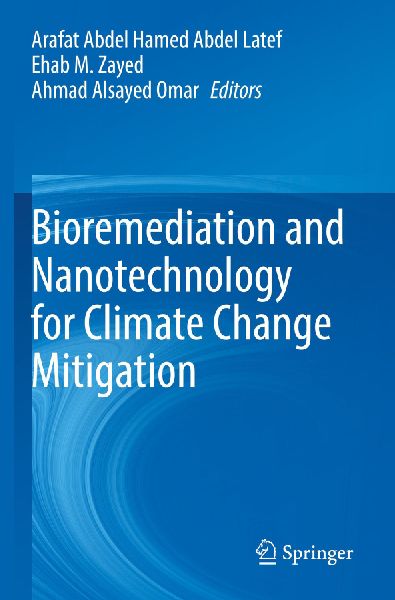
Bioremediation and Nanotechnology for Climate Change Mitigation
Arafat Abdel Hamed Abdel Latef (Hrsg.)
Kartoniert, Englisch, 2 Ausgaben
ab 149,79 €
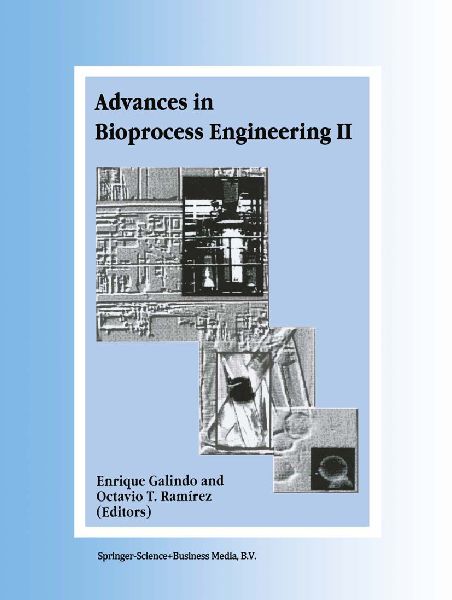
Advances in Bioprocess Engineering
Octavio R. Ramírez (Hrsg.)
Gebunden, Englisch, 2 Ausgaben
ab 106,99 €
Bewertungen
Zu diesem Titel gibt es noch keine Bewertung. Bewerten kann, wer ihn bei uns gekauft hat.
So prüfen wir Bewertungen
Eine Bewertung kann bei uns nur abgeben, wer den Titel über sein Kundenkonto bei uns gekauft hat. Jede Bewertung ist fest mit der zugehörigen Bestellung verknüpft; anders kommt sie technisch gar nicht zustande. Deshalb trägt jede angezeigte Bewertung den Hinweis „Verifizierter Kauf". Wir zeigen positive wie negative Bewertungen und löschen nur bei Rechtsverstößen. Für Bewertungen gibt es keine Gegenleistung.
160,49 €Voraussichtlich 4. bis 8. Dez.