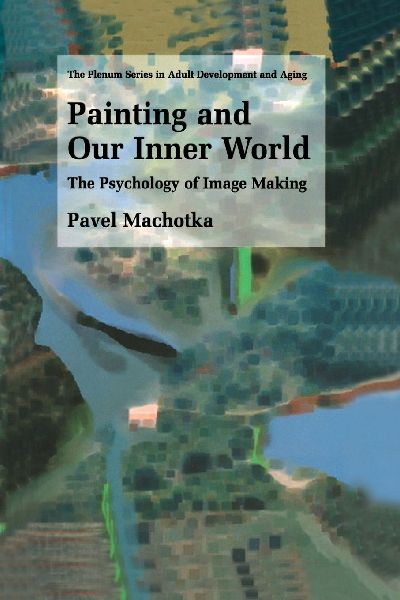
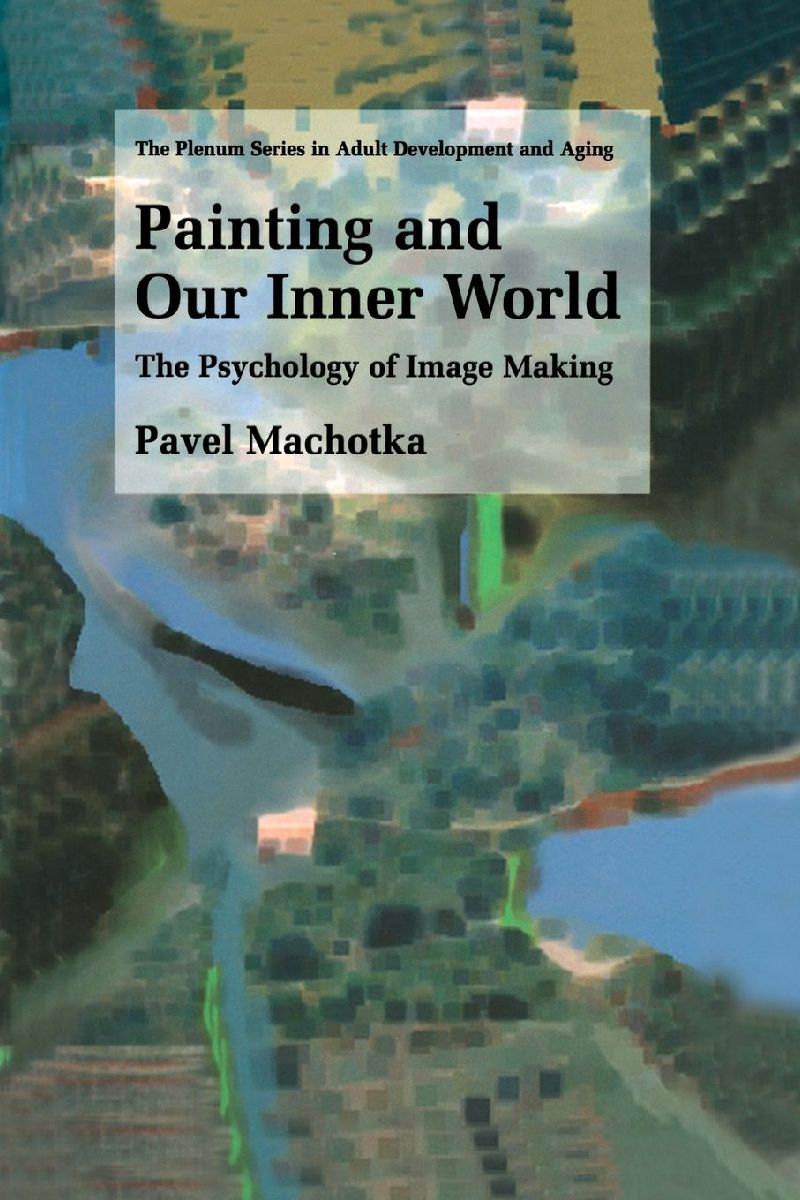
Painting and Our Inner World
The Psychology of Image Making
von Pavel Machotka
Aus der Reihe The Springer Series in Adult Development and Aging
- Einband
- Kartoniert
- Seiten
- 232
- Sprache
- Englisch
- Erschienen
- September 2012
- Verlag
- Springer
Buchbeschreibung
That painting is at least in part an expression of the painter's personality is obvious from the differences between very impulsive and very controlled painters - between the paintings of a Picasso, for example, and a Piet Mondriaan. But these differences have not been looked at in a controlled setting.
Ganze Beschreibung lesenWeniger anzeigen
In this book, Machotka sets out to understand the images produced by a broad sample of students and to connect them to the students' inner lives - to their interpersonal relations, their wishes and fears, their impulses and inhibitions. Their image making was followed in detail and their personality was studied in a long clinical interview, producing a rich, individual picture of the style and substance of the inner life of each.
Then the images were grouped into seven types by cluster analysis. The personal data were found to fit the image clusters closely: for example, images with little form and much narration were produced by people with strong compensatory longings, while dense, collaged images were made by participants who exercised relentless control over one major issue in their life.
Other individuals had a strong need to integrate their lives and produced well-formed, well-composed images. As expected, no single motive explained all artistic activity - but the style of the images, such as their inhibited formality, abstractness, or fluid boldness, reflected what could be called the map of each participant's interpersonal world.
Inhaltsverzeichnis
- Introduction: Art, the Body, and Relationships
- 1. Artists and Their Biographies
- The Vicissitudes of Psychodynamics
- Research on Individuals and the Question of Types
- Types in the Study of Art Making
- Types in the Study of Artistic Biography
- Types in This Study
- 2. Image Makers and Their Purposes: Our Methods
Ganzes Inhaltsverzeichnis anzeigen (64 Einträge)Weniger anzeigen
- Image Making on the Computer
- Personality
- Individual Interpretation
- Experimenters and Image Makers
- Grouping the Participants: Cluster Analysis
- The Plan of the Book
- 3. First Cluster: Narrative Informality and Compensatory Longings
- The Psychological Process Seen Individually
- The Psychological Dynamics of This Cluster
- Feeling Through to the Flow of Water
- Flying Peachy Buttheads
- 4. Second Cluster: Inhibited, Disconnected Forms and Downcast, Angry Lives
- The Psychological Process Seen Individually
- The Psychological Dynamics of This Cluster
- Monogram
- Garden of Chanterelle
- Epilogue
- 5. Third Cluster: Bold, Flowing Process and the Direct Expression of Emotion
- The Psychological Process Seen Individually
- The Psychological Dynamics of This Cluster
- Scream
- Honeymoon
- 6. Fourth Cluster: Dense Paintings and Relentless Control
- The Psychological Process Seen Individually
- The Psychological Dynamics of This Cluster
- Psychedelic Village
- Winterland
- 7. Fifth Cluster: Imposed Order, Inhibition, and the Acceptance of Parental Standards
- The Psychological Process Seen Individually
- The Psychological Dynamics of This Cluster
- Framed Flowers
- My Mother's Garden
- 8. Sixth Cluster: Consistent Style and the Need to Integrate
- The Psychological Process
- Fruit Tree
- Temple Cluster
- 9. Seventh Cluster: Abstraction, Avoidance, and the Search for Firm Boundaries
- The Psychological Process Seen Individually
- The Psychological
- Dynamics of This Cluster
- City of Dreams
- Type on Flowers
- 10. Art Making, Maps of Interpersonal Space, and the World of Art
- Dimensions of Art Making
- Bringing It Together: Images of the Interpersonal World
- The Seven Ways of Doing Art and Artists We Know
- Appendix A: Psychological Analysis of the Clusters: A Partial Replication
- Seventh Cluster: Abstraction, Avoidance, and the Search for Firm Boundaries
- Sixth Cluster: Consistent Style and the Need to Integrate
- Fourth Cluster: Dense Painting and Relentless Control
- First Cluster: Narrative Informality and Compensatory Longings
- Appendix B: Interview Forms and Statistical Tables
- Post-Image Making Interview
- Psychodynamic Interview
- Image and Process Assessment
- References
Details
- Erscheinungstermin
- September 2012
- Kategorie
- Fremdsprachige Bücher
- Einband
- Kartoniert
- Seiten
- 232
- Sprache
- Englisch
- Verlag
- Springer
- Reihe
- The Springer Series in Adult Development and Aging
- Format
- 23,5 × 15,5 cm
- Dicke
- 1,3 cm
- Gewicht
- 359 g
- EAN / ISBN-13
- 9781461349365
Versand und Rückgabe
Standardversand: 1 bis 3 Werktage, 3,99 €, kostenlos ab 35 €
Liefergebiet: Deutschland
Rücksendung: 14 Tage Widerrufsrecht. Bei einem Widerruf tragen Sie die Kosten der Rücksendung. Bei einer Falschlieferung oder einem Fehler von uns erstatten wir Ihnen das Rückporto. Den Widerruf erklären Sie über den Knopf „Vertrag widerrufen“ im Fuß der Seite.
Hersteller und ProduktsicherheitSpringer Nature Customer Service Center GmbH
Springer Nature Customer Service Center GmbH
Europaplatz 3
69115 Heidelberg
Deutschland
ProductSafety@springernature.com
Mehr aus der Reihe The Springer Series in Adult Development and Aging


Ähnliche Titel



Bewertungen
Zu diesem Titel gibt es noch keine Bewertung. Bewerten kann, wer ihn bei uns gekauft hat.
So prüfen wir Bewertungen
Eine Bewertung kann bei uns nur abgeben, wer den Titel über sein Kundenkonto bei uns gekauft hat. Jede Bewertung ist fest mit der zugehörigen Bestellung verknüpft; anders kommt sie technisch gar nicht zustande. Deshalb trägt jede angezeigte Bewertung den Hinweis „Verifizierter Kauf". Wir zeigen positive wie negative Bewertungen und löschen nur bei Rechtsverstößen. Für Bewertungen gibt es keine Gegenleistung.
106,99 €Voraussichtlich 1. bis 3. Dez.