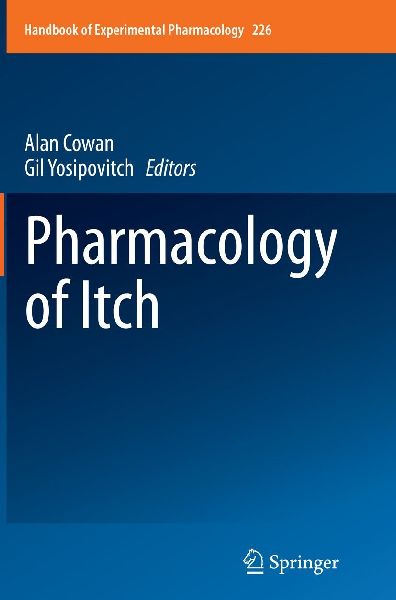
Pharmacology of Itch
Herausgegeben von: Alan Cowan, Herausgegeben von: Gil Yosipovitch
Aus der Reihe Handbook of Experimental Pharmacology
- Einband
- Kartoniert
- Seiten
- 392
- Sprache
- Englisch
- Erschienen
- Oktober 2016
- Verlag
- Springer
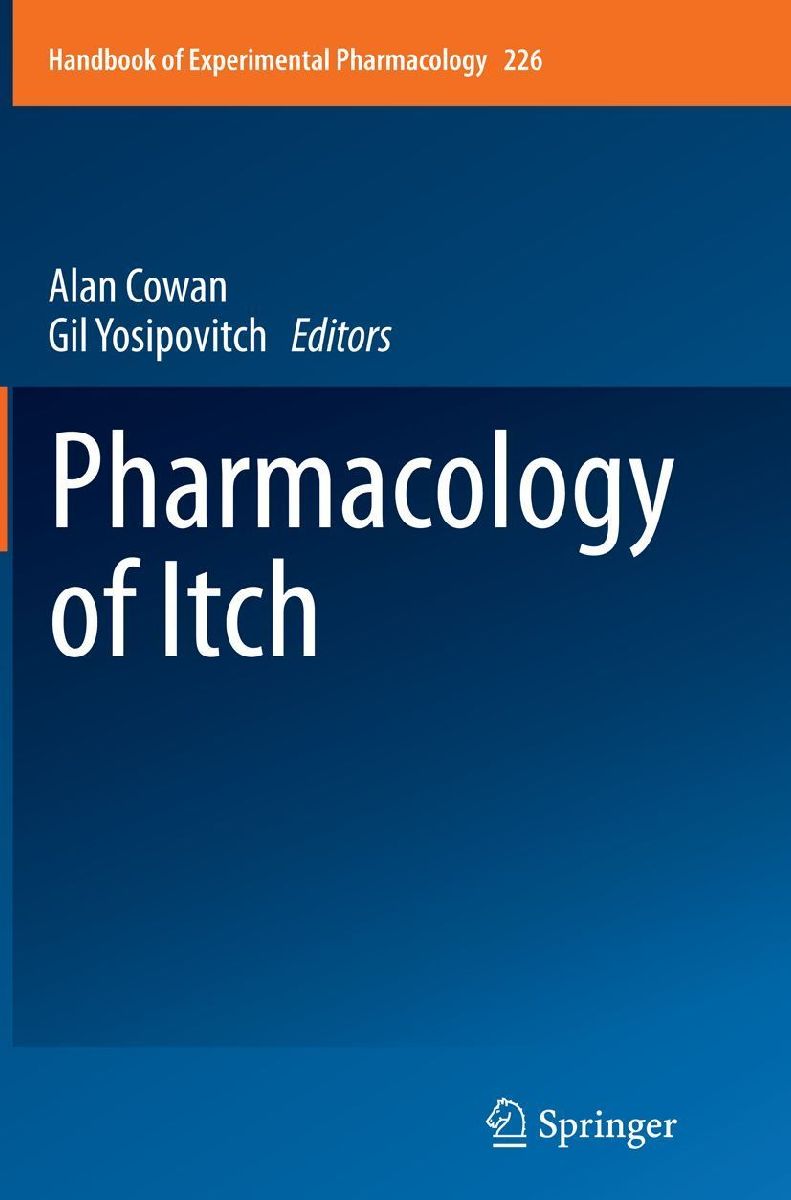
Buchbeschreibung
Basic research on the pharmacology of itch has exploded in the wake of two very influential papers that were published in Nature (2007) and Science (2009). Long overlooked as a milder form of pain, itching has rapidly gained a new appreciation in both research and clinical communities because of its complexity and its negative effects on the quality of life of the distressed patients.
Ganze Beschreibung lesenWeniger anzeigen
Like pain, not all itches are the same. Unlike pain, there are no standard drugs equivalent to aspirin and morphine. Epidemiological studies emphasize the high incidence and economic costs of itch (pruritus). It is the most prevalent symptom of a wide variety of allergic and inflammatory skin conditions (e.g., psoriasis, atopic dermatitis), is associated with several systemic diseases (e.g., chronic kidney and liver disease), and occurs in patients undergoing hemodialysis, spinal administration of opioids, and in those suffering from AIDS.
The reader will learn about the multiple pathways for itch and their interactions with pain. The relationship between these closely related, yet distinct sensory phenomena, will be emphasized. Both itch and pain use several common molecules to send signals to the brain. Thus, drugs that have been, and are being, developed as analgesics may also attenuate intractable itch.
This has been an exciting and very necessary turn of events since traditional H-1 receptor antagonists are ineffective in blocking the pruritus associated with kidney failure and cholestasis. The clinical chapters will provide insights into contemporary treatment regimens for pruritus in different human scenarios.
Inhaltsverzeichnis
- Historical Background
- Epidemiology of the Burden of Chronic Itch
- Neurophysiology and Itch Pathways
- Brain Mechanisms of Chronic Itch
- Mouse and Human Models of Itch. Transient Receptor Potential Channels and Itch
- Cytokines and Itch
- Role of Mrgpr Family of Receptors and Itch
- Protease-activated Receptor Agonists and Itch
Ganzes Inhaltsverzeichnis anzeigen (18 Einträge)Weniger anzeigen
- VGLUT2-dependent Sensory Neurons and Itch
- Identification and Characterization of Spinal Inhibitory Neurons That Inhibit Itch
- Noradrenergic Itch Transmission in the Spinal Cord
- NK-1 Antagonists and Itch
- Cannabinoids and Itch
- Antihistamines and Itch
- Targeting Itch with Ligands Selective for k Opioid Receptors
- Neuraxial Opioid-induced Scratching and Its Pharmacological Antagonism
- Topical Therapies
- Allergic Itch in Dogs
Details
- Erscheinungstermin
- Oktober 2016
- Kategorie
- Fremdsprachige Bücher
- Einband
- Kartoniert
- Seiten
- 392
- Sprache
- Englisch
- Verlag
- Springer
- Reihe
- Handbook of Experimental Pharmacology
- Format
- 23,5 × 15,5 cm
- Dicke
- 2,0 cm
- Gewicht
- 664 g
- EAN / ISBN-13
- 9783662512807
Versand und Rückgabe
Standardversand: 1 bis 3 Werktage, 3,99 €, kostenlos ab 35 €
Liefergebiet: Deutschland
Rücksendung: 14 Tage Widerrufsrecht. Bei einem Widerruf tragen Sie die Kosten der Rücksendung. Bei einer Falschlieferung oder einem Fehler von uns erstatten wir Ihnen das Rückporto. Den Widerruf erklären Sie über den Knopf „Vertrag widerrufen“ im Fuß der Seite.
Hersteller und ProduktsicherheitSpringer Nature Customer Service Center GmbH
Springer Nature Customer Service Center GmbH
Europaplatz 3
69115 Heidelberg
Deutschland
ProductSafety@springernature.com
Mehr aus der Reihe Handbook of Experimental Pharmacology
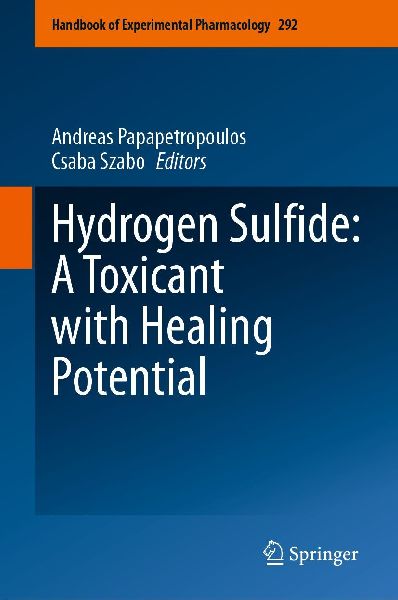
Hydrogen Sulfide: A Toxicant with Healing Potential
Andreas Papapetropoulos (Hrsg.)
Gebunden, Englisch
181,89 €
Ähnliche Titel
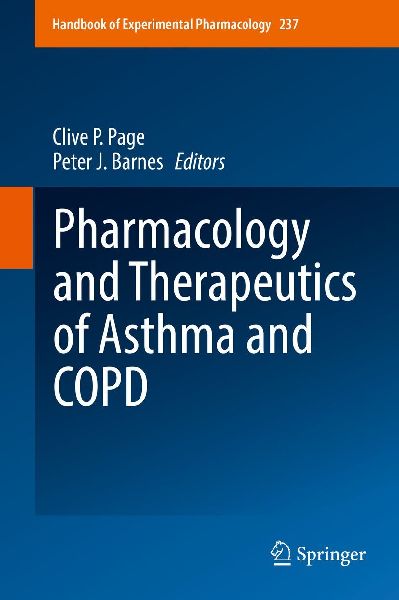
Pharmacology and Therapeutics of Asthma and COPD
Clive P. Page (Hrsg.)
Gebunden, Englisch, 2 Ausgaben
ab 299,59 €

Bewertungen
Zu diesem Titel gibt es noch keine Bewertung. Bewerten kann, wer ihn bei uns gekauft hat.
So prüfen wir Bewertungen
Eine Bewertung kann bei uns nur abgeben, wer den Titel über sein Kundenkonto bei uns gekauft hat. Jede Bewertung ist fest mit der zugehörigen Bestellung verknüpft; anders kommt sie technisch gar nicht zustande. Deshalb trägt jede angezeigte Bewertung den Hinweis „Verifizierter Kauf". Wir zeigen positive wie negative Bewertungen und löschen nur bei Rechtsverstößen. Für Bewertungen gibt es keine Gegenleistung.
213,99 €Voraussichtlich 2. bis 4. Dez.