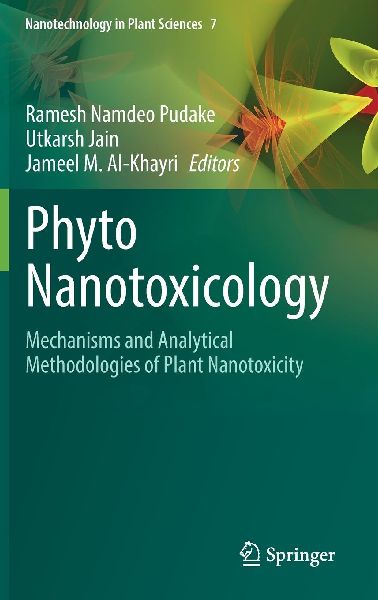
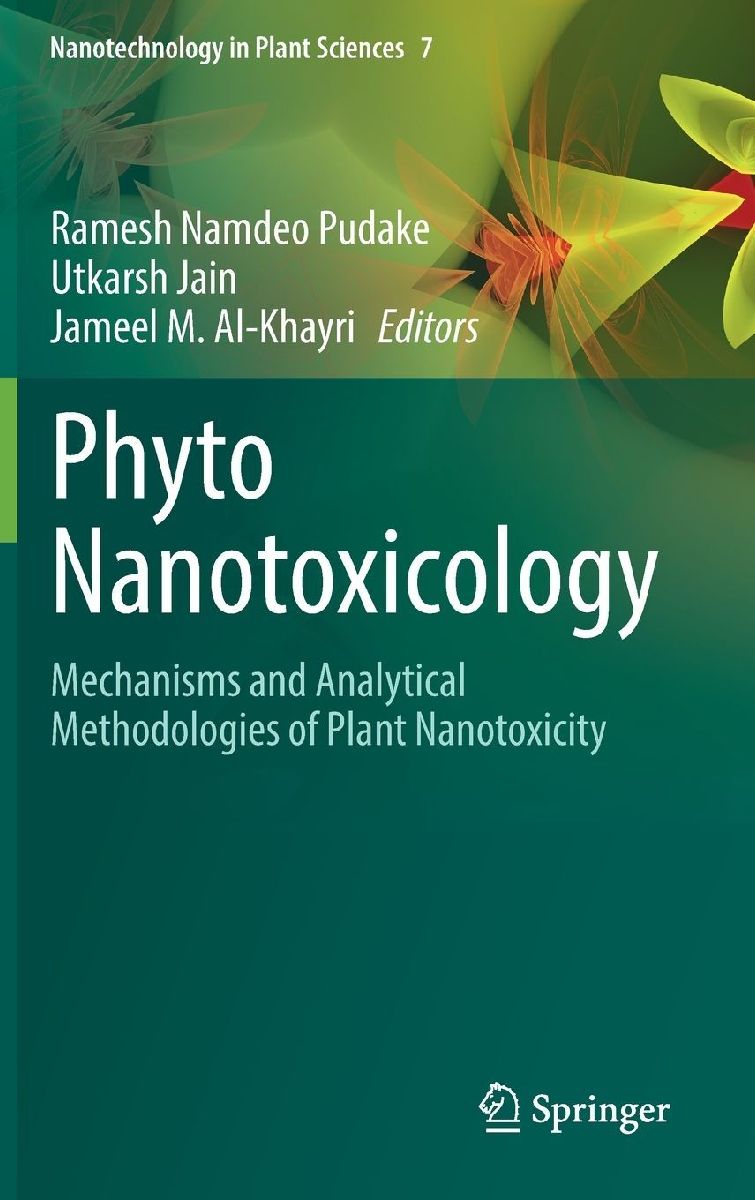
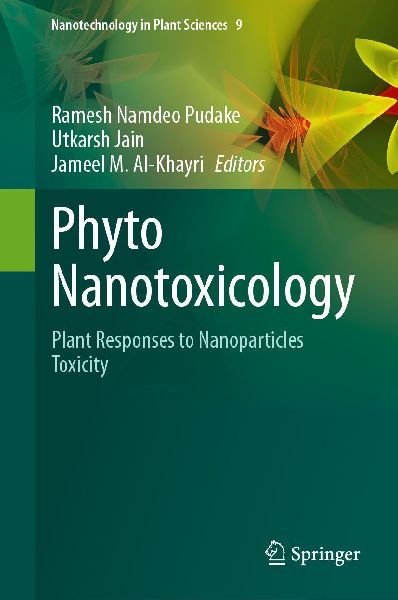
Phyto Nanotoxicology
Mechanisms and Analytical Methodologies of Plant Nanotoxicity
von Ramesh Namdeo Pudake (Hrsg.)
Herausgegeben von: Ramesh Namdeo Pudake, Herausgegeben von: Utkarsh Jain, Herausgegeben von: Jameel M. Al-Khayri
Aus der Reihe Nanotechnology in Plant Sciences
- Einband
- Gebunden
- Seiten
- 428
- Sprache
- Englisch
- Erschienen
- Mai 2026
- Verlag
- Birkhäuser
Buchbeschreibung
Engineered nanomaterials have become relevant in large-scale industrial applications and are used in many common devices and products.
Their intentional and non-intentional release into the environment may have negative effects in terms of the health of humans and plants. There is increasing concern about nanotoxicity in plants because they are not only a fundamental part of the ecology but also the basis of trophic systems.
Ganze Beschreibung lesenWeniger anzeigen
Nanotoxicology is the branch of toxicology responsible for describing the effects of nanomaterials on living organisms and the environmental consequences resulting from their use.
Thorough studies are important because nanomaterials have stronger toxicological effects than those reported for the same materials in bulk or in solution. The main toxicological factor observed in various organisms is oxidative stress. Many techniques have been used to evaluate the toxicity of nanomaterials in plants; however, currently, there is no consensus on the optimal method for evaluating toxicity in plants.
A concern is that bioaccumulation of nanoparticles in plants can enter the food chain of animals and humans, constituting a health problem. Therefore, extensive safety research projects and regulations are urgently needed.
This volume focuses on the mechanisms and analytical methodologies that are important in plant nanotoxicity and reviews the present status of the nanomaterials that might be directly and indirectly encountering plants. It discusses the characterization of nanomaterials in pristine form and complex biomolecules.
The properties of ENM that are important for plant growth or toxicity, and the techniques to study the physiological and molecular impacts on plant bioprocess, are summarized in this volume. Studies on new omics technologies like transcriptomics, proteomics, and metabolomics for a deeper understanding of plant nanotoxicology are also discussed.
The book serves as a valuable reference source for graduate students, researchers, academicians, and scientists of plant science and nanotechnology. It is a reference book for undergraduate and graduate students in life science disciplines as a bridge between textbooks and recent scientific literature, providing an in-depth knowledge of phyto-nanotoxicology.
Inhaltsverzeichnis
- Chapter 1. Status of nanomaterial uses in agriculture and environment
- Chapter 2. Overview of the fundamentals of the synthesis of nanoparticles and characterization techniques
- Chapter 3. Physical and chemical properties of NPs influencing their plant toxicity
- Chapter 4. Role of Nanotechnology in Plant Growth and Development
- Chapter 5. Physiological processes for uptake, translocation, and accumulation of nanomaterials in plants
- Chapter 6. Application of Advanced Characterization Equipment for Nanotoxicity in Plants
- Chapter 7. Analytical methods to characterize nanomaterials' interaction with plant systems
- Chapter 8. Molecular mechanism of nanoparticle toxicity regulation in plants
Ganzes Inhaltsverzeichnis anzeigen (16 Einträge)Weniger anzeigen
- Chapter 9. Omics approaches to examine the nanomaterial's impact on biochemical, physiological, and molecular responses in plants
- Chapter 10. Emerging systems biology approaches in plant nanotoxicology: A mechanism-based understanding of nanomaterial hazard
- Chapter 11. Metabolomics to study the effect of primary and secondary metabolism in plants towards nano pollution
- Chapter 12. Exploring the use of flow cytometry for studying nanomaterials’ phytotoxicity assessment
- Chapter 13. Long-Term Evaluation of Nanoparticle Contamination with the Help of Tree Ring Chemistry
- Chapter 14. Impact of nanomaterials on plant cell suspension models
- Chapter 15. IoTs: Internet of Things systems for smart plant health monitoring under nanoparticle stresses
- Chapter 16. Application of X-ray spectroscopy to monitor absorption and transport of nanoparticles
Details
- Erscheinungstermin
- Mai 2026
- Kategorie
- Fremdsprachige Bücher
- Einband
- Gebunden
- Seiten
- 428
- Sprache
- Englisch
- Verlag
- Birkhäuser
- Reihe
- Nanotechnology in Plant Sciences
- Format
- 24,1 × 16,0 cm
- Dicke
- 2,9 cm
- Gewicht
- 753 g
- EAN / ISBN-13
- 9783032245175
Versand und Rückgabe
Standardversand: 1 bis 3 Werktage, 3,99 €, kostenlos ab 35 €
Liefergebiet: Deutschland
Rücksendung: 14 Tage Widerrufsrecht. Bei einem Widerruf tragen Sie die Kosten der Rücksendung. Bei einer Falschlieferung oder einem Fehler von uns erstatten wir Ihnen das Rückporto. Den Widerruf erklären Sie über den Knopf „Vertrag widerrufen“ im Fuß der Seite.
Hersteller und ProduktsicherheitSpringer Nature Customer Service Center GmbH
Springer Nature Customer Service Center GmbH
Europaplatz 3
69115 Heidelberg
Deutschland
ProductSafety@springernature.com
Mehr von Ramesh Namdeo Pudake
Biosensors in Agriculture: Recent Trends and Future Perspectives
Ramesh Namdeo Pudake (Hrsg.)
Gebunden, Englisch, 2 Ausgaben
ab 213,99 €
Mehr aus der Reihe Nanotechnology in Plant Sciences
Nanoparticles in Abiotic and Biotic Stress Alleviation: Mechanisms and Sustainable Plant Solutions
Arafat Abdel Hamed Abdel Latef (Hrsg.)
Gebunden, Englisch
267,49 €
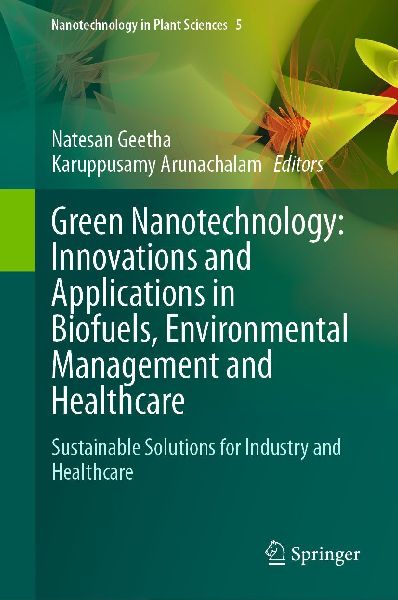
Green Nanotechnology: Innovations and Applications in Biofuels, Environmental Management and Healthcare
Natesan Geetha (Hrsg.)
Gebunden, Englisch
267,49 €
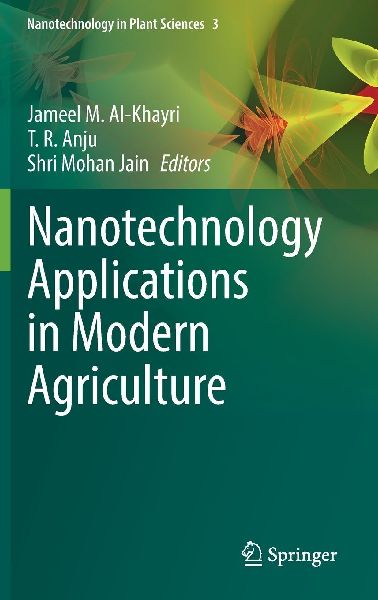
Nanotechnology Applications in Modern Agriculture
Jameel M. Al-Khayri (Hrsg.)
Gebunden, Englisch
235,39 €
Ähnliche Titel
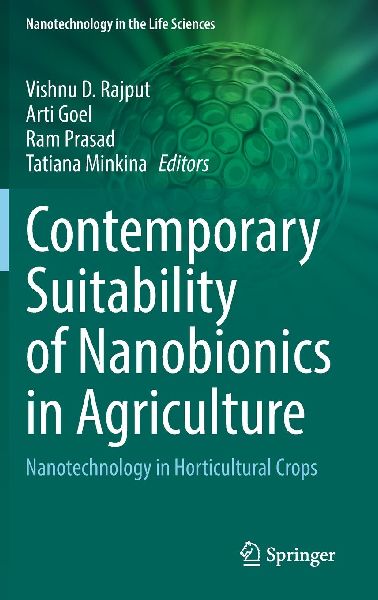
Contemporary Suitability of Nanobionics in Agriculture
Vishnu D. Rajput (Hrsg.)
Gebunden, Englisch, 2 Ausgaben
ab 192,59 €
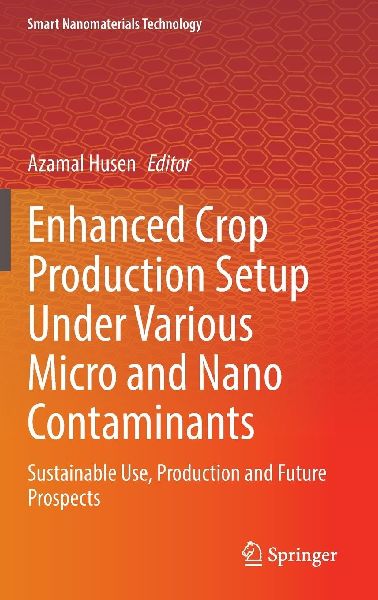
Enhanced Crop Production Setup Under Various Micro and Nano Contaminants
Azamal Husen (Hrsg.)
Gebunden, Englisch
192,59 €
Bewertungen
Zu diesem Titel gibt es noch keine Bewertung. Bewerten kann, wer ihn bei uns gekauft hat.
So prüfen wir Bewertungen
Eine Bewertung kann bei uns nur abgeben, wer den Titel über sein Kundenkonto bei uns gekauft hat. Jede Bewertung ist fest mit der zugehörigen Bestellung verknüpft; anders kommt sie technisch gar nicht zustande. Deshalb trägt jede angezeigte Bewertung den Hinweis „Verifizierter Kauf". Wir zeigen positive wie negative Bewertungen und löschen nur bei Rechtsverstößen. Für Bewertungen gibt es keine Gegenleistung.
192,59 €Voraussichtlich 4. bis 8. Dez.