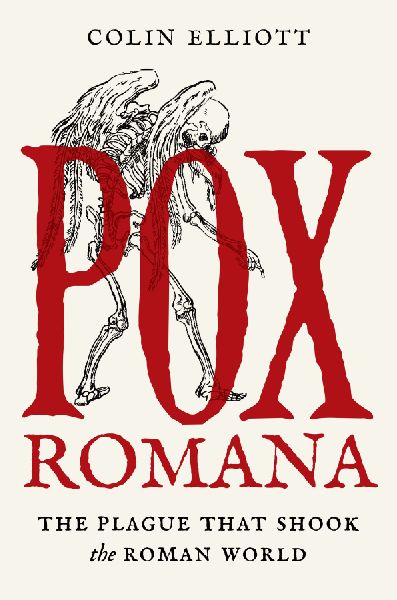
Pox Romana
The Plague That Shook the Roman World
von Colin Elliott
Aus der Reihe Turning Points in Ancient History
- Einband
- Gebunden
- Seiten
- 328
- Sprache
- Englisch
- Erschienen
- Februar 2024
- Verlag
- Princeton Univers. Press
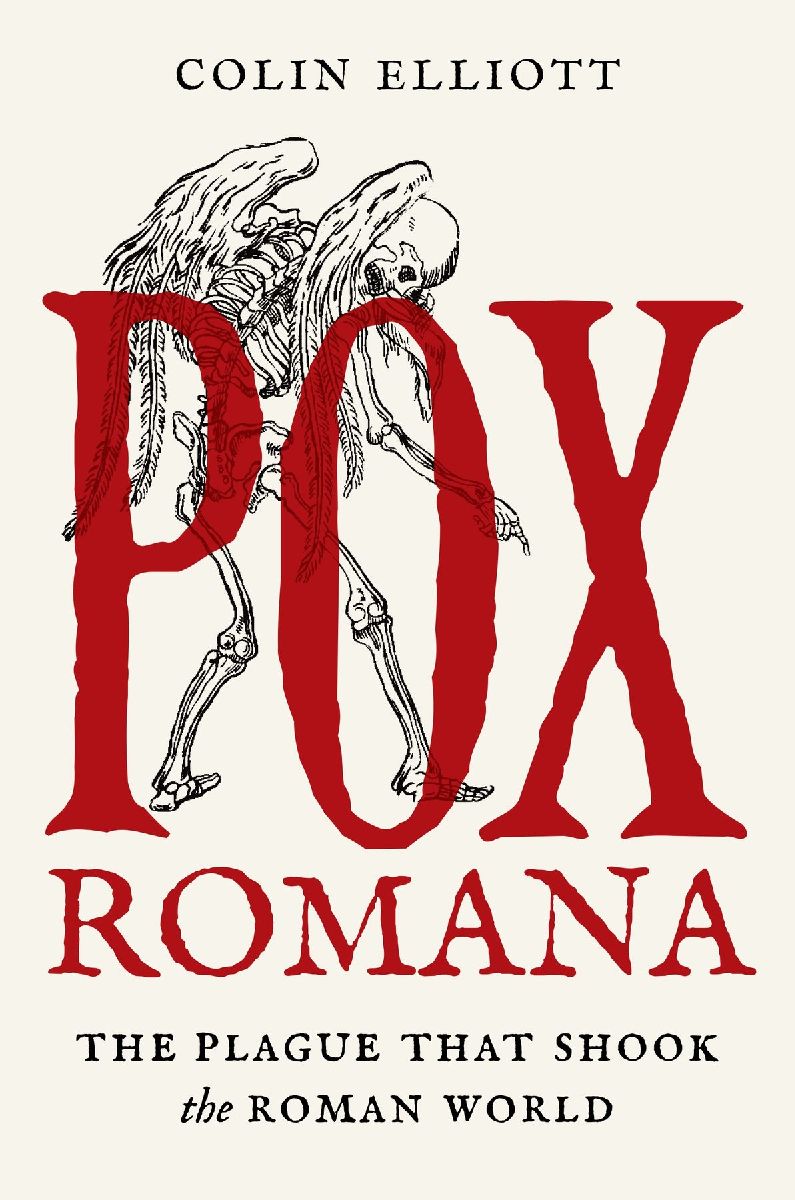
Buchbeschreibung
A wide-ranging and dramatic account of the Antonine plague, the mysterious disease that struck the Roman Empire at its pinnacle
In the middle of the second century AD, Rome was at its prosperous and powerful apex. The emperor Marcus Aurelius reigned over a vast territory that stretched from Britain to Egypt. The Roman-made peace, or Pax Romana, seemed to be permanent. Then, apparently out of nowhere, a sudden sickness struck the legions and laid waste to cities, including Rome itself.
Ganze Beschreibung lesenWeniger anzeigen
This fast-spreading disease, now known as the Antonine plague, may have been history’s first pandemic. Soon after its arrival, the Empire began its downward trajectory toward decline and fall. In Pox Romana, historian Colin Elliott offers a comprehensive, wide-ranging account of this pivotal moment in Roman history.
Did a single disease—its origins and diagnosis still a mystery—bring Rome to its knees? Carefully examining all the available evidence, Elliott shows that Rome’s problems were more insidious. Years before the pandemic, the thin veneer of Roman peace and prosperity had begun to crack: the economy was sluggish, the military found itself bogged down in the Balkans and the Middle East, food insecurity led to riots and mass migration, and persecution of Christians intensified.
The pandemic exposed the crumbling foundations of a doomed Empire. Arguing that the disease was both cause and effect of Rome’s fall, Elliott describes the plague’s “preexisting conditions” (Rome’s multiple economic, social, and environmental susceptibilities); recounts the history of the outbreak itself through the experiences of physician, victim, and political operator; and explores postpandemic crises.
The pandemic’s most transformative power, Elliott suggests, may have been its lingering presence as a threat both real and perceived.
Details
- Erscheinungstermin
- Februar 2024
- Kategorie
- Fremdsprachige Bücher
- Einband
- Gebunden
- Seiten
- 328
- Sprache
- Englisch
- Verlag
- Princeton Univers. Press
- Reihe
- Turning Points in Ancient History
- Format
- 24,4 × 17,0 cm
- Dicke
- 3,5 cm
- Gewicht
- 701 g
- EAN / ISBN-13
- 9780691219158
Über Colin Elliott
Colin Elliott is professor of history at Indiana University and the author of Economic Theory and the Roman Monetary Economy.
Versand und Rückgabe
Standardversand: 1 bis 3 Werktage, 3,99 €, kostenlos ab 35 €
Versandbeginn: in der Regel am selben oder am nächsten Werktag
Liefergebiet: Deutschland
Rücksendung: 14 Tage Widerrufsrecht. Bei einem Widerruf tragen Sie die Kosten der Rücksendung. Bei einer Falschlieferung oder einem Fehler von uns erstatten wir Ihnen das Rückporto. Den Widerruf erklären Sie über den Knopf „Vertrag widerrufen“ im Fuß der Seite.
Hersteller und ProduktsicherheitEasy Access System Europe
Mehr aus der Reihe Turning Points in Ancient History

Bewertungen
Zu diesem Titel gibt es noch keine Bewertung. Bewerten kann, wer ihn bei uns gekauft hat.
So prüfen wir Bewertungen
Eine Bewertung kann bei uns nur abgeben, wer den Titel über sein Kundenkonto bei uns gekauft hat. Jede Bewertung ist fest mit der zugehörigen Bestellung verknüpft; anders kommt sie technisch gar nicht zustande. Deshalb trägt jede angezeigte Bewertung den Hinweis „Verifizierter Kauf". Wir zeigen positive wie negative Bewertungen und löschen nur bei Rechtsverstößen. Für Bewertungen gibt es keine Gegenleistung.
36,50 €Voraussichtlich 27. Nov. bis 1. Dez.