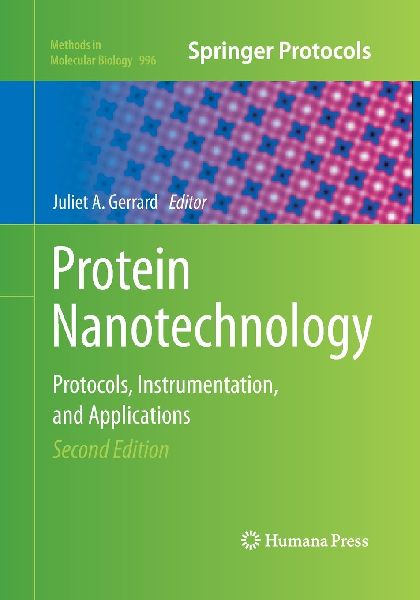
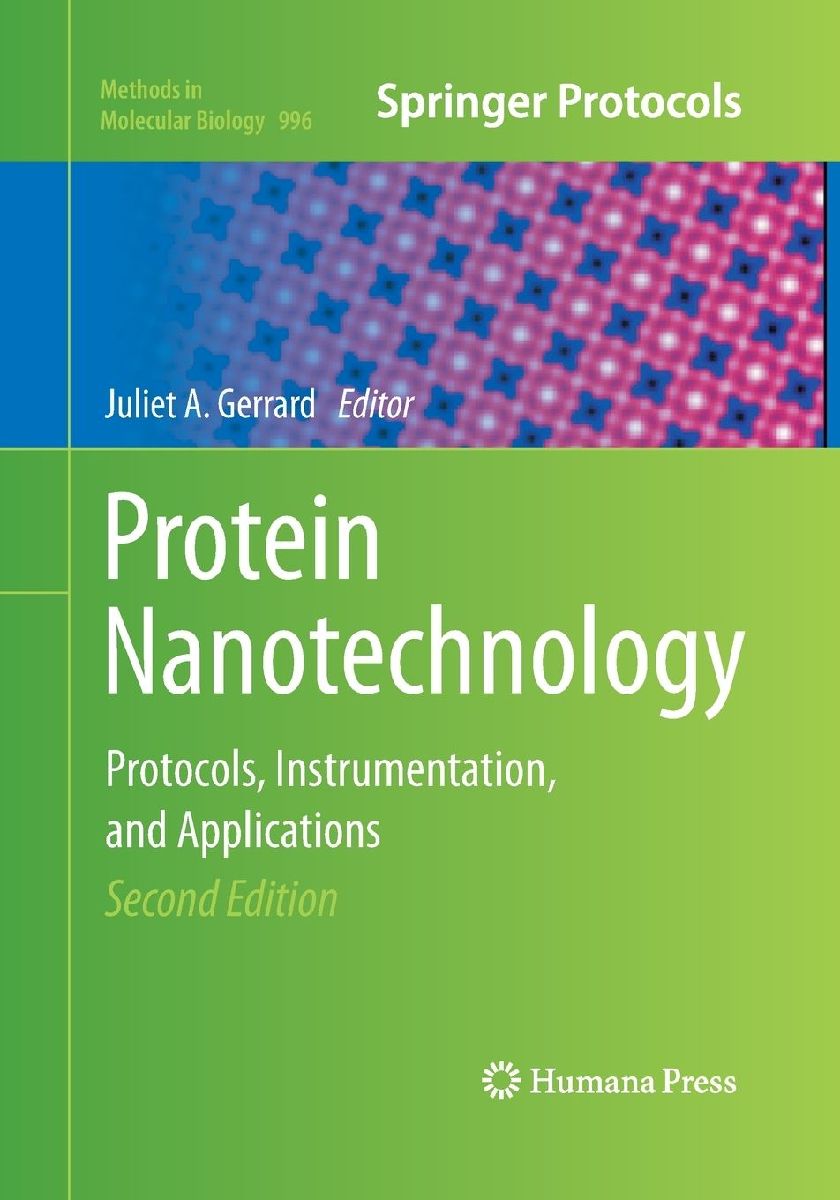
Protein Nanotechnology
Protocols, Instrumentation, and Applications, Second Edition
Herausgegeben von: Juliet A. Gerrard
Aus der Reihe Methods in Molecular Biology
- Einband
- Kartoniert
- Seiten
- 388
- Sprache
- Englisch
- Erschienen
- August 2016
- Verlag
- Humana
Buchbeschreibung
Since the first edition of Protein Nanotechnology Protocols Instruments and Applications the intersection of protein science and nanotechnology has become an exciting frontier in interdisciplinary sciences.
The second edition of Protein Nanotechnology Protocols Instruments and Applications expands upon the previous editions with current, detailed chapters that provide examples of proteins which are now being harnessed for a wide range of applications, some more developed than others.
Ganze Beschreibung lesenWeniger anzeigen
This book also delves into engineering proteins and an overview of the sorts of tools that are now readily available to manipulate the structure and function of proteins, both rationally and using methods inspired by evolution.
Written in the highly successful Methods in Molecular Biology(TM) series format, chapters include introductions to their respective topics, lists of the necessary materials and reagents, step-by-step, readily reproducible laboratory protocols, and key tips on troubleshooting and avoiding known pitfalls.
Authoritative and practical, Protein Nanotechnology Protocols Instruments and Applications, Second Edition seeks to provide an overview of this multi-faceted field and a useful guide to those who wish to contribute to it.
Inhaltsverzeichnis
- 1. Protein Nanotechnology ¿ What is it?Juliet A. Gerrard Part I: Old Proteins, New Tricks
- 2. Bioengineered Silk Proteins to Control Cell and Tissue Functions
- Rucsanda C. Preda, Gary Leisk, Fiorenzo Omenetto, David L. Kaplan
- 3. Aqueous-based Spinning of Fibers from Self-Assembling Structural Proteins
- Steven Arcidiacono, Elizabeth A. Welsh, Jason W. Soares
- 4. Fibrous Protein Nanofibres
- Jeffrey E. Plowman, Santanu Deb-Choudhury, and Jolon M. Dyer
- 5. Self-assembling Nanomaterials: Monitoring the Formation of Amyloid Fibrils, with a Focus on Small Angle X-ray Scattering
Ganzes Inhaltsverzeichnis anzeigen (37 Einträge)Weniger anzeigen
- Elizabeth B. Sawyer and Sally L. Gras
- 6. Amyloid Fibrils from Readily Available Sources: Milk Casein and Lens Crystallin Proteins
- Heath Ecroyd, Megan Garvey, David C. Thorn, Juliet A. Gerrard, and John A. Carver
- 7. Formation of Amphipathic Amyloid Monolayers from Fungal Hydrophobin Proteins
- Vanessa K. Morris and Margaret Sunde
- 8. Proteins and Peptides as Biological Nanowires: Towards Biosensing Devices
- Laura J. Domigan
- 9. Nanotechnology with S-Layer Proteins
- Bernhard Schuster and Uwe B. Sleytr Part II: New Proteins
- 10. Stimuli-responsive Peptide Nanostructures at the Fluid-fluid Interface
- Chun-Xia Zhao, Anton P.J. Middelberg
- 11. Designed Self-assembling Peptides as Templates for the Synthesis of Metal Nanoparticles
- Emmanouil Kasotakis and Anna Mitraki
- 12. Purification of Molecular Machines and Nanomotors using Phage-derived Monoclonal Antibody Fragments
- Olga Esteban, Daniel Christ, and Daniela Stock
- 13. Determination of Enzyme Thermal Parameters for Rational Enzyme Engineering and Environmental/Evolutionary Studies
- Charles K. Lee, Colin R. Monk, and Roy M. Daniel
- Part III: Tools of the Trade
- 14. Rational-Based Protein Engineering: Tips and Tools
- Meghna Sobti and Bridget C. Mabbutt
- 15. Construction and Analysis of Randomized Protein-encoding Libraries using Error-prone PCR
- Paulina Hanson-Manful and Wayne M. Patrick
- 16. Droplets as Reaction Compartments for Protein Nanotechnology
- Sean R A Devenish, Miriam Kaltenbach, Martin Fischlechner, Florian Hollfelder
- 17. Label-Free, Real-Time Interaction and Adsorption Analysis 1: Surface Plasmon Resonance Conan J. Fee
- 18. Label-Free, Real-Time Interaction and Adsorption Analysis 2: Quartz Crystal Microbalance
- Conan J. Fee
- 19. Atomic Force Microscopy for Protein Nanotechnology
- Dmitry V. Sokolov
Details
- Erscheinungstermin
- August 2016
- Kategorie
- Fremdsprachige Bücher
- Einband
- Kartoniert
- Seiten
- 388
- Sprache
- Englisch
- Verlag
- Humana
- Reihe
- Methods in Molecular Biology
- Format
- 25,4 × 17,8 cm
- Dicke
- 2,1 cm
- Gewicht
- 728 g
- EAN / ISBN-13
- 9781493958788
Versand und Rückgabe
Standardversand: 1 bis 3 Werktage, 3,99 €, kostenlos ab 35 €
Liefergebiet: Deutschland
Rücksendung: 14 Tage Widerrufsrecht. Bei einem Widerruf tragen Sie die Kosten der Rücksendung. Bei einer Falschlieferung oder einem Fehler von uns erstatten wir Ihnen das Rückporto. Den Widerruf erklären Sie über den Knopf „Vertrag widerrufen“ im Fuß der Seite.
Hersteller und ProduktsicherheitSpringer Nature Customer Service Center GmbH
Springer Nature Customer Service Center GmbH
Europaplatz 3
69115 Heidelberg
Deutschland
ProductSafety@springernature.com
Mehr aus der Reihe Methods in Molecular Biology


Ähnliche Titel
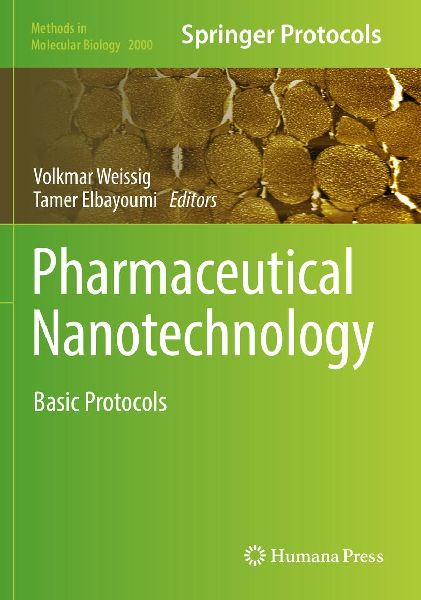
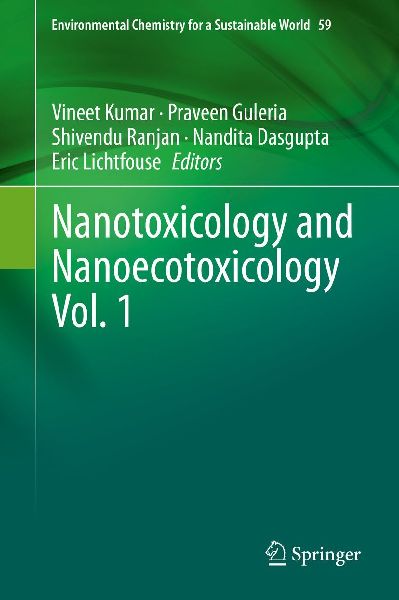
Nanotoxicology and Nanoecotoxicology Vol. 1
Vineet Kumar (Hrsg.)
Gebunden, Englisch, 2 Ausgaben
ab 171,19 €
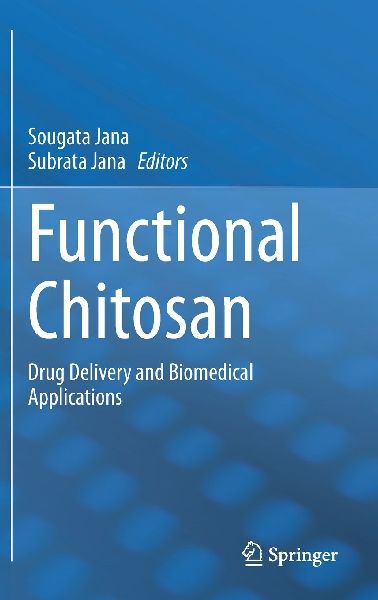
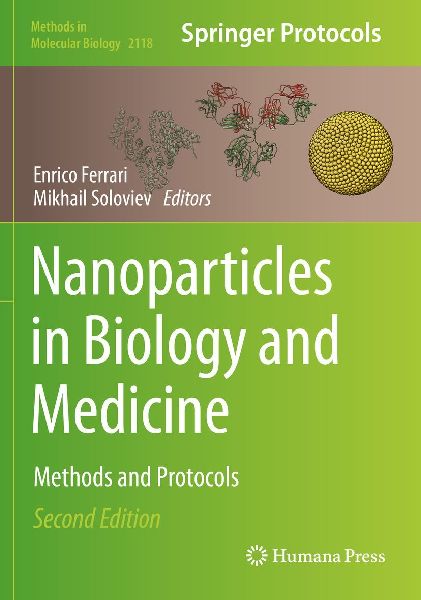
Nanoparticles in Biology and Medicine
Enrico Ferrari (Hrsg.)
Kartoniert, Englisch, 2 Ausgaben
ab 139,09 €
Bewertungen
Zu diesem Titel gibt es noch keine Bewertung. Bewerten kann, wer ihn bei uns gekauft hat.
So prüfen wir Bewertungen
Eine Bewertung kann bei uns nur abgeben, wer den Titel über sein Kundenkonto bei uns gekauft hat. Jede Bewertung ist fest mit der zugehörigen Bestellung verknüpft; anders kommt sie technisch gar nicht zustande. Deshalb trägt jede angezeigte Bewertung den Hinweis „Verifizierter Kauf". Wir zeigen positive wie negative Bewertungen und löschen nur bei Rechtsverstößen. Für Bewertungen gibt es keine Gegenleistung.
117,69 €Voraussichtlich 1. bis 3. Dez.