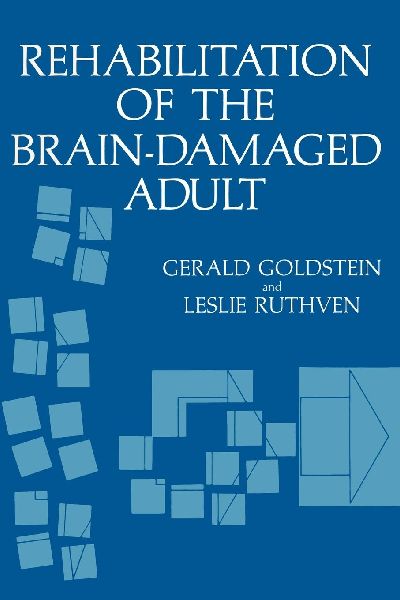
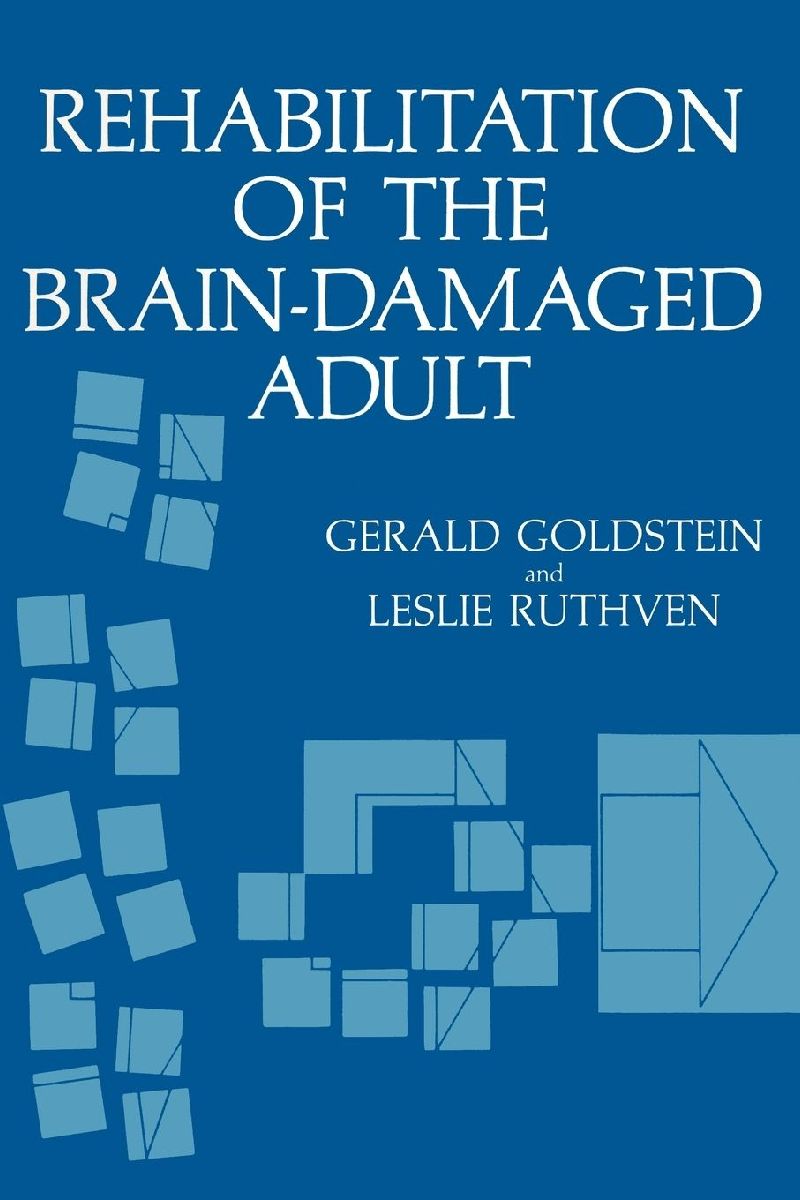
Rehabilitation of the Brain-Damaged Adult
von Gerald Goldstein und Leslie Ruthven
Aus der Reihe NATO Science Series B:
- Einband
- Kartoniert
- Seiten
- 376
- Sprache
- Englisch
- Erschienen
- November 2011
- Verlag
- Springer
Buchbeschreibung
Basic Issues in Rehabilitation of the Brain Damaged Definitions Because of the vagueness surrounding the term brain damage, it is nec essary at the outset to define the population to which this book may have some application. Although it is usual to speak of the brain damaged patient in a general way, the conditions referred to cover a variety of specific disorders.
Ganze Beschreibung lesenWeniger anzeigen
In this book we will be discussing only individuals who become brain-damaged as adults. We will be ad dressing ourselves specifically to adults who have sustained demon strable, structural brain damage. Those conditions in which brain dys function is a possible etiological agent, such as a number of functional psychiatric disorders, will not be considered.
Thus the entire topic of mental retardation and early life brain damage will not be treated here, nor the many problems associated with minimal brain damage syn dromes in school age children.
Modern psychiatric thinking has tended to blur the distinction between the so-called functional and organic disorders (d. Shagass, Gershon, & Friedhoff, 1977), but we would ad here to the view that the patient with structural brain damage contin ues to present relatively unique assessment and treatment problems. Furthermore, the emphasis of this book will be placed on individ uals with nonprogressive, chronic brain damage.
Inhaltsverzeichnis
- 1 Introduction: Basic Issues in Rehabilitation of the Brain Damaged
- 2 Approaches to the Rehabilitation and Treatment of the Brain-Damaged Patient
- 3 Staff Development
- 4 Rehabilitation of the Brain-Damaged Adult and Behavior Therapy
- 5 Neuropsychological Testing as a Means of Planning Rehabilitation Programs
- 6 The Wichita Program: Quantitative Neuropsychological Test Results and Case Illustrations
- 7 The Wichita Program: Follow-up Studies
- 8 Brain Damage and Emotional Difficulties: Clinical Considerations
Ganzes Inhaltsverzeichnis anzeigen (11 Einträge)Weniger anzeigen
- 9 The Chronic Hospitalized Patient
- 10 Concluding Comments
- References
Details
- Erscheinungstermin
- November 2011
- Kategorie
- Fremdsprachige Bücher
- Einband
- Kartoniert
- Seiten
- 376
- Sprache
- Englisch
- Verlag
- Springer
- Reihe
- NATO Science Series B:
- Format
- 22,9 × 15,2 cm
- Dicke
- 2,1 cm
- Gewicht
- 544 g
- EAN / ISBN-13
- 9781461331346
Versand und Rückgabe
Standardversand: 1 bis 3 Werktage, 3,99 €, kostenlos ab 35 €
Liefergebiet: Deutschland
Rücksendung: 14 Tage Widerrufsrecht. Bei einem Widerruf tragen Sie die Kosten der Rücksendung. Bei einer Falschlieferung oder einem Fehler von uns erstatten wir Ihnen das Rückporto. Den Widerruf erklären Sie über den Knopf „Vertrag widerrufen“ im Fuß der Seite.
Hersteller und ProduktsicherheitSpringer Nature Customer Service Center GmbH
Springer Nature Customer Service Center GmbH
Europaplatz 3
69115 Heidelberg
Deutschland
ProductSafety@springernature.com
Mehr von Gerald Goldstein
Mehr aus der Reihe NATO Science Series B:


Hadron Structure and Lepton-Hadron Interactions
Maurice Levy (Hrsg.)
Kartoniert, Englisch, 2 Ausgaben
ab 69,54 €


Ähnliche Titel
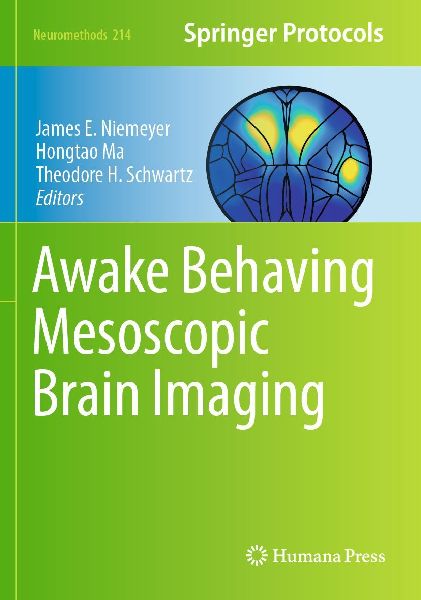
Awake Behaving Mesoscopic Brain Imaging
James E. Niemeyer (Hrsg.)
Kartoniert, Englisch, 2 Ausgaben
ab 181,89 €

Bewertungen
Zu diesem Titel gibt es noch keine Bewertung. Bewerten kann, wer ihn bei uns gekauft hat.
So prüfen wir Bewertungen
Eine Bewertung kann bei uns nur abgeben, wer den Titel über sein Kundenkonto bei uns gekauft hat. Jede Bewertung ist fest mit der zugehörigen Bestellung verknüpft; anders kommt sie technisch gar nicht zustande. Deshalb trägt jede angezeigte Bewertung den Hinweis „Verifizierter Kauf". Wir zeigen positive wie negative Bewertungen und löschen nur bei Rechtsverstößen. Für Bewertungen gibt es keine Gegenleistung.
53,49 €Voraussichtlich 2. bis 4. Dez.