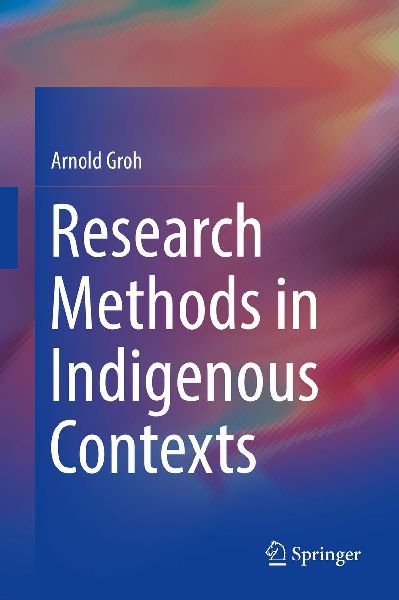
Research Methods in Indigenous Contexts
von Arnold Groh
- Einband
- Gebunden
- Seiten
- 244
- Sprache
- Englisch
- Erschienen
- Februar 2018
- Verlag
- Palgrave Macmillan
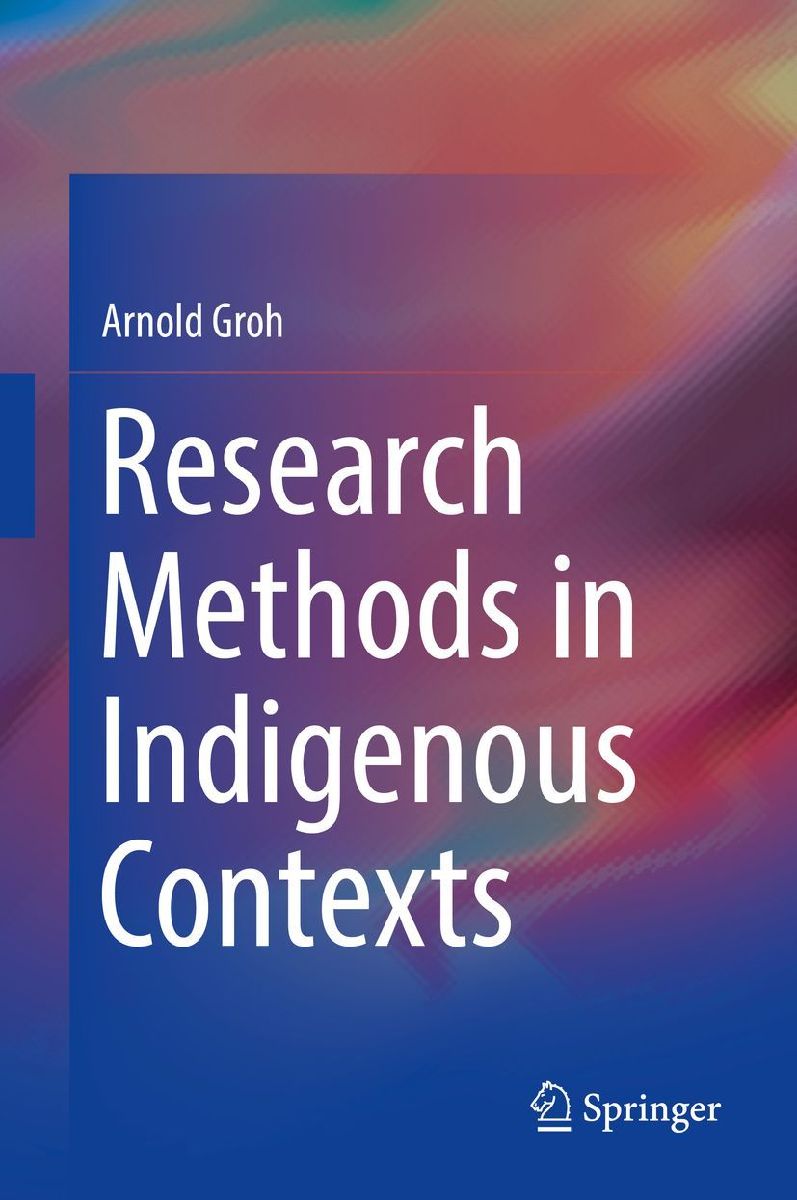
Buchbeschreibung
This forward-looking resource offers readers a modern contextual framework for conducting social science research with indigenous peoples.
Foundational chapters summarize current UN-based standards for indigenous rights and autonomy, with their implications for research practice.
Ganze Beschreibung lesenWeniger anzeigen
Coverage goes on to detail minimally-invasive data-gathering methods, survey current training and competency issues, and consider the scientist's role in research, particularly as a product of his/her own cultural background.
From these guidelines and findings, students and professionals have a robust base for carrying out indigenous research that is valid and reliable as well as respectful and ethical.
Among the topics covered:· Cultural theories and cultural dominance.· The legal framework of research in indigenous contexts.· The role of language within indigenous peoples' cultural rights.· Methodology: how to optimally collect data in the field.· Researchers' influence and philosophy of science.· Learning how to prepare research in indigenous contexts.
Research Methods in Indigenous Contexts is an important reference benefitting a wide audience, including students and researchers in the social sciences, humanities, and psychology; decision-makers of NGOs and GOs that act with regard to humanitarian aid, for tourism projects, or any other contingency with indigenous contexts; and policymakers interested in the aspects of human activity upon which indigenous cultural concerns are based.
Inhaltsverzeichnis
- 1. Introduction
- 1.1 Indigenous Contexts
- 1.1.1 Transgenerational Traumata
- 1.2 Cultural Theories and Cultural Dominance
- 1.3 Transcultural perspectives and conceptualisations
- 1.4 Synthesis and dominance - the mechanisms of change
- 2. The legal framework of research in indigenous contexts
- 2.1 Historical aspects
Ganzes Inhaltsverzeichnis anzeigen (48 Einträge)Weniger anzeigen
- 2.2 Acknowledgement of indigenous identity
- 2.3 Right to self-determination
- 2.4 Protection of culture
- 2.4.1 The Role of Language within Indigenous Peoples' Cultural Rights
- 2.4.2 Indigenous Culture and Intellectual Property
- 2.5 Revitalisation of culture
- 2.6 Cultural autonomy in education and lifestyle
- 2.7 Reflection of culture in media
- 2.8 Land rights
- 2.8.1 Protection of territories
- 2.8.2 Land use
- 2.8.3 Mitigation of adverse impact
- 2.8.4 Right to redress and compensation
- 2.8.5 Indigenous cultures and borders
- 3. Methodology - how to optimally collect data in the fields
- 3.1 History of transcultural field encounters
- 3.2 Field encounter as quasi-experimentation
- 3.3 Researchers' influence and philosophy of science
- 3.3.1 Vulnerability and resilience
- 3.4 Epistemology
- 3.4.1 Qualitative and quantitative methods
- 3.4.2 Validity
- 3.4.3 Reliability
- 3.4.4 Objectivity
- 3.4.5 Ethical aspects
- 3.5 Minimally-invasive techniques
- 3.5.1 Total immersion
- 3.5.2 Rescue work
- 4. Field research in indigenous contexts
- 4.1 The scientist as a psychological being
- 4.1.1 Researchers and their culture of origin
- 4.1.2 Rationality and irrationality
- 4.2 Meta-perspectives
- 4.3 Transcultural competency
- 4.4 Education and training
- 4.4.1 Learning how to prepare research in indigenous contexts
- 4.5 Culturally sustainable field research
- 4.5.1 Practical aspects
- 4.5.2 Being prepared for tropical diseases
- Epilogue
Details
- Erscheinungstermin
- Februar 2018
- Kategorie
- Fremdsprachige Bücher
- Einband
- Gebunden
- Seiten
- 244
- Sprache
- Englisch
- Verlag
- Palgrave Macmillan
- Format
- 24,1 × 16,0 cm
- Dicke
- 1,8 cm
- Gewicht
- 528 g
- EAN / ISBN-13
- 9783319727745
Über Arnold Groh
Prof. Dr. Arnold Groh has conducted field research in indigenous contexts since 1987, and since 2001, he has trained students for this purpose.
Mehr über Arnold GrohWeniger anzeigen
He has headed excursions to indigenous peoples in Indonesia (Borneo: Punan; West Papua: Dani), India (Soliga), Latin America (Panama: Emberá; Peru: Yagua), Laos (Akha; Lanten), and in several African countries (Cameroon: Bagyeli; Uganda: Batwa; South Africa: Venda; Ethiopia: Hamer; Benin/Togo: Somba/Tamberma; Senegal: Bassari; Eastern Congo Basin: Bambuti). He heads the reseach institution Structual Analysis of Cultural Systems, which is in Special Consultative Status with the United Nations Economical and Social Council. Arnold Groh received his PhD in Psychology from the University of Bielefeld, he has been teaching as a Visiting Professor at the University of the Arts, Berlin, and he did his habilitation at the Technical University of Berlin, where he is currently an Associate Professor.
Versand und Rückgabe
Standardversand: 1 bis 3 Werktage, 3,99 €, kostenlos ab 35 €
Liefergebiet: Deutschland
Rücksendung: 14 Tage Widerrufsrecht. Bei einem Widerruf tragen Sie die Kosten der Rücksendung. Bei einer Falschlieferung oder einem Fehler von uns erstatten wir Ihnen das Rückporto. Den Widerruf erklären Sie über den Knopf „Vertrag widerrufen“ im Fuß der Seite.
Hersteller und ProduktsicherheitSpringer Nature Customer Service Center GmbH
Springer Nature Customer Service Center GmbH
Europaplatz 3
69115 Heidelberg
Deutschland
ProductSafety@springernature.com
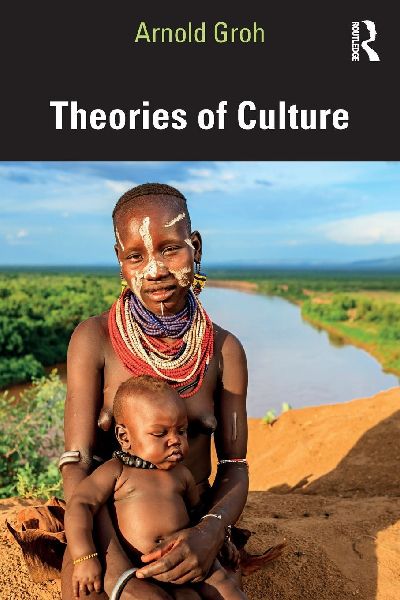
Mehr von Arnold Groh

Ähnliche Titel

Heuristics: a source of judgement fallacies or decision-making aids?
Jon Michael Jachimowicz
Kartoniert, Englisch
13,99 €
Bewertungen
Zu diesem Titel gibt es noch keine Bewertung. Bewerten kann, wer ihn bei uns gekauft hat.
So prüfen wir Bewertungen
Eine Bewertung kann bei uns nur abgeben, wer den Titel über sein Kundenkonto bei uns gekauft hat. Jede Bewertung ist fest mit der zugehörigen Bestellung verknüpft; anders kommt sie technisch gar nicht zustande. Deshalb trägt jede angezeigte Bewertung den Hinweis „Verifizierter Kauf". Wir zeigen positive wie negative Bewertungen und löschen nur bei Rechtsverstößen. Für Bewertungen gibt es keine Gegenleistung.
74,89 €Voraussichtlich 7. bis 9. Dez.