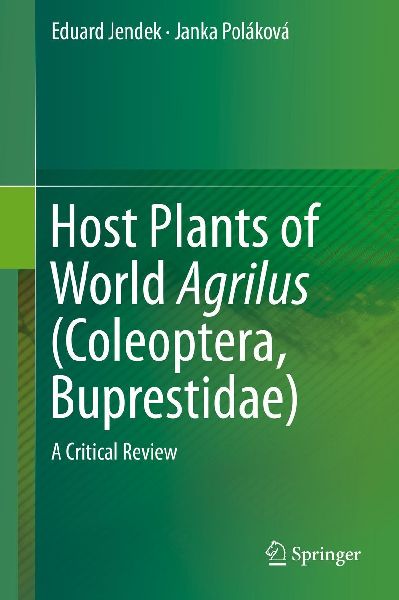
Host Plants of World Agrilus (Coleoptera, Buprestidae)
Eduard Jendek
Gebunden, Englisch, 2 Ausgaben
ab 235,39 €
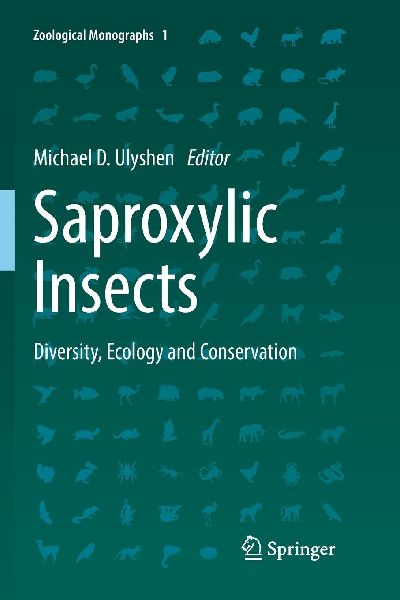
Diversity, Ecology and Conservation
von Michael D. Ulyshen (Hrsg.)
Herausgegeben von: Michael D. Ulyshen
This volume offers extensive information on insect life in dying and dead wood.
Written and reviewed by leading experts from around the world, the twenty-five chapters included here provide the most global coverage possible and specifically address less-studied taxa and topics. An overarching goal of this work is to unite literature that has become fragmented along taxonomic and geographic lines.
A particular effort was made to recognize the dominant roles that social insects (e.g., termites, ants and passalid beetles) play in saproxylic assemblages in many parts of the world without overlooking the non-social members of these communities.
The book is divided into four parts:· Part I "Diversity" includes chapters addressing the major orders of saproxylic insects (Coleoptera, Diptera, Hymenoptera, Hemiptera, Lepidoptera and Blattodea), broadly organized in decreasing order of estimated global saproxylic diversity.
In addition to order-level treatments, some chapters in this part discuss groups of particular interest, including pollinators, hymenopteran parasitoids, ants, stag and passalid beetles, and wood-feeding termites.· Part II "Ecology" discusses insect-fungal and insect-insect interactions, nutritional ecology, dispersal, seasonality, and vertical stratification.· Part III "Conservation" focuses on the importance of primary forests for saproxylic insects, offers recommendations for conserving these organisms in managed forests, discusses the relationships between saproxylic insects and fire, and addresses the value of tree hollows and highly-decomposed wood for saproxylic insects.
Utilization of non-native wood by saproxylic insects and the suitability of urban environments for these organisms are also covered.· Lastly, Part IV "Methodological Advancements" highlights molecular tools for assessing saproxylic diversity. The book offers an accessible and insightful resource for natural historians of all kinds and will especially appeal to entomologists, ecologists, conservationists and foresters.
Michael D. Ulyshen Research Entomologist
USDA Forest Service
Southern Research Station
320 Green Street
Athens, Georgia 30602, USA
E-mail: mulyshen@fs.fed.us
Phone: 706-559-4296
Standardversand: 1 bis 3 Werktage, 3,99 €, kostenlos ab 35 €
Liefergebiet: Deutschland
Rücksendung: 14 Tage Widerrufsrecht. Bei einem Widerruf tragen Sie die Kosten der Rücksendung. Bei einer Falschlieferung oder einem Fehler von uns erstatten wir Ihnen das Rückporto. Den Widerruf erklären Sie über den Knopf „Vertrag widerrufen“ im Fuß der Seite.
Eduard Jendek
Gebunden, Englisch, 2 Ausgaben
ab 235,39 €
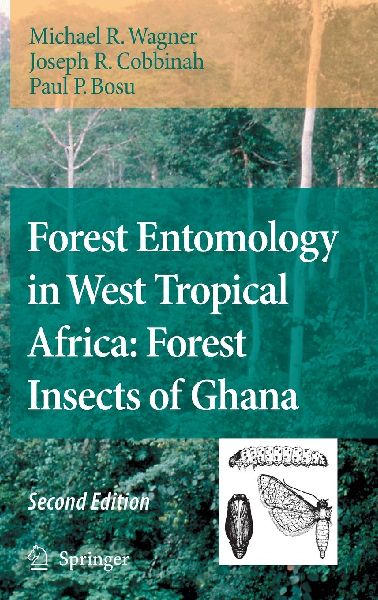
Michael R. Wagner
Gebunden, Englisch
160,49 €
Zu diesem Titel gibt es noch keine Bewertung. Bewerten kann, wer ihn bei uns gekauft hat.