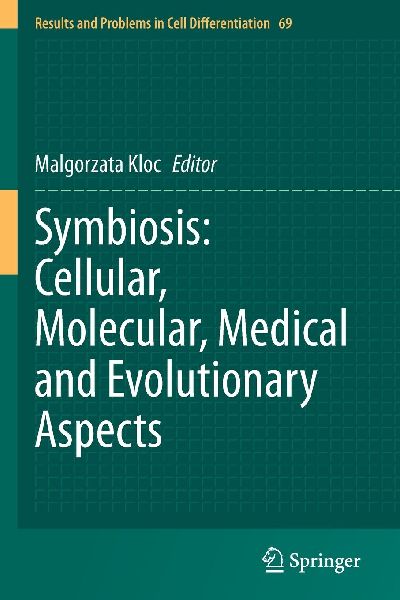
Symbiosis: Cellular, Molecular, Medical and Evolutionary Aspects
Herausgegeben von: Malgorzata Kloc
Aus der Reihe Results and Problems in Cell Differentiation
- Einband
- Kartoniert
- Seiten
- 632
- Sprache
- Englisch
- Erschienen
- Dezember 2021
- Verlag
- Springer
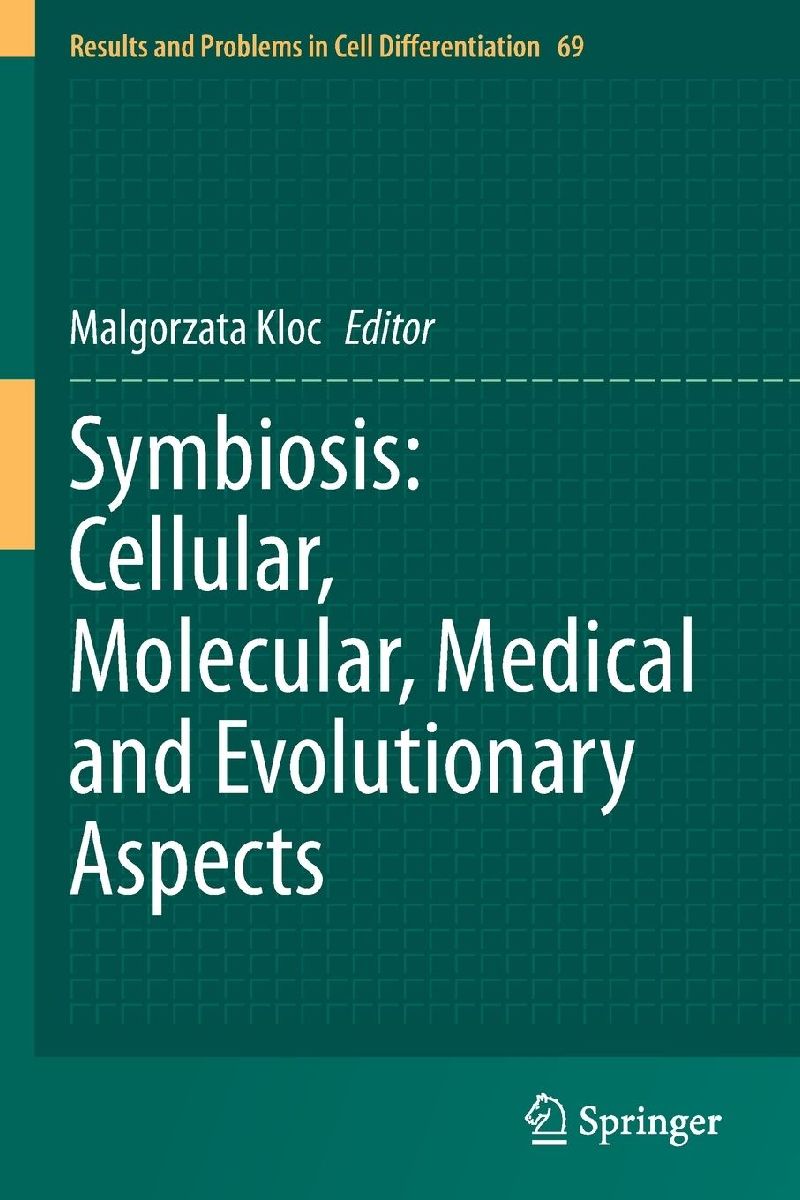
Buchbeschreibung
This volume presents a comprehensive overview of the latest developments in symbiosis research.
It covers molecular, organellar, cellular, immunologic, genetic and evolutionary aspects of symbiotic interactions in humans and other model systems. The book also highlights new approaches to interdisciplinary research and therapeutic applications. Symbiosis refers to any mutually beneficial interaction between different organisms.
Ganze Beschreibung lesenWeniger anzeigen
The symbiotic origin of cellular organelles and the exchange of genetic material between hosts and their bacterial and viral symbionts have helped shaped the current diversity of life. Recently, symbiosis has gained a new level of recognition, due to the realization that all organisms function as a holobiome and that any kind of interference with the hosts influences their symbionts and vice versa, and can have profound consequences for the survival of both.
For example, in humans, the microbiome, i.e., the entirety of all the microorganisms living in association with the intestines, oral cavity, urogenital system and skin, is partially inherited during pregnancy and influences the maturation and functioning of the human immune system, protects against pathogens and regulates metabolism.
Symbionts also regulate cancer development, wound healing, tissue regeneration and stem cell function. The medical applications of this new realization are vast and largely uncharted. The composition and robustness of human symbionts could make them a valuable diagnostic tool for predicting impending diseases, and the manipulation of symbionts could yield new strategies for the treatment of incurable diseases.
Inhaltsverzeichnis
- Part 1. Transfer of genetic information, nuclear symbiosis, and cellular differentiation
- 1. Viral Symbiosis in the Origins and Evolution of Life with a Particular Focus on the Placental Mammals
- 2. Gene Transfer Agents in Symbiotic Microbes
- 3. Evolution from free-living bacteria to endosymbionts of insects: genomic changes and the importance of the chaperonin GroEL
- 4. Epidemiology of nucleus-dwelling Holospora: infection, transmission, adaptation, and interaction with Paramecium
- 5. Trends in symbiont-induced host cellular differentiation
- Part 2. Origin, adaptations and evolutionary aspects of symbiosis
- 6. We're in this together: Sensation of the host cell environment by endosymbiotic bacteria
Ganzes Inhaltsverzeichnis anzeigen (28 Einträge)Weniger anzeigen
- 7. Phenotype Heritability in Holobionts: An Evolutionary Model
- 8. The role of constructive neutral evolution in the development of complexity from symbioses: A microbe-centric view
- 9. Chemiosmosis, evolutionary conflict, and eukaryotic symbiosis
- 10. Symbiotic origin of apoptosis
- 11. The puzzling conservation and diversification of lipid droplets from bacteria to eukaryotes
- Part 3. Evolution and role of symbiosis in photosynthesis and nitrogen fixation
- 12. Evolution of Photosynthetic Eukaryotes; Current Opinion, Perplexity and a New Perspective
- 13. The photosynthetic adventure of Paulinella spp
- 14. The evolutionary aspects of legume nitrogen-fixing nodule symbiosis
- 15. Early molecular dialogue between legumes and rhizobia: why are they so important?
- Part 4. Diversity of nematode and insect symbionts
- 16. The Wolbachia Symbiont: Here, There and Everywhere
- 17. The Wolbachia Symbiont: Here, There and Everywhere
- 18. The Diversity of Symbiotic Systems in Scale Insects
- 19. Bacterial Symbionts of Tsetse Flies: Relationships and Functional Interactions between Tsetse and their Symbionts
- Part 5. Symbiosis, adaptive and immune responses, and therapeutic interventions
- 20. Our microbiome: on the challenges, promises, and hype
- 21. Endosymbiont-mediated adaptive responses to stress in holobionts
- 22. Microbial Metabolites as Molecular Mediators of Host-Microbe Symbiosis in Colorectal Cancer
- 23. The macrophages and intestinal symbiosis
Details
- Erscheinungstermin
- Dezember 2021
- Kategorie
- Fremdsprachige Bücher
- Einband
- Kartoniert
- Seiten
- 632
- Sprache
- Englisch
- Verlag
- Springer
- Reihe
- Results and Problems in Cell Differentiation
- Format
- 23,5 × 15,5 cm
- Dicke
- 3,4 cm
- Gewicht
- 943 g
- EAN / ISBN-13
- 9783030518516
Über Malgorzata Kloc (Hrsg.)
Prior to completing her postdoctoral training in Canada, Dr. Kloc was a tenured Associate Professor in the Department of Zoology at the University of Warsaw, Poland.
Mehr über Malgorzata Kloc (Hrsg.)Weniger anzeigen
She also served as a Research Associate in the Department of Biology at Carleton University in Ottawa, Canada. While completing her postdoctoral training, Dr. Kloc earned the AHFMR Research Award from the University of Calgary and the MRC Biotechnology Training Award from Dalhousie University. She joined the University of Texas M.D. Anderson Cancer Center as a Research Scientist in the Department of Molecular Genetics in 1987, and became an Associate Professor in the Department of Biochemistry and Molecular Biology there in 2006. Dr. Kloc joined the Houston Methodist Research Institute in 2008. Currently, Dr. Kloc is the Weill Cornell Professor of Cell and Molecular Biology at The Houston Methodist Hospital and the Adjunct Professor at Department of Genetics, University of Texas, M D Anderson Cancer Center.
Versand und Rückgabe
Standardversand: 1 bis 3 Werktage, 3,99 €, kostenlos ab 35 €
Liefergebiet: Deutschland
Rücksendung: 14 Tage Widerrufsrecht. Bei einem Widerruf tragen Sie die Kosten der Rücksendung. Bei einer Falschlieferung oder einem Fehler von uns erstatten wir Ihnen das Rückporto. Den Widerruf erklären Sie über den Knopf „Vertrag widerrufen“ im Fuß der Seite.
Hersteller und ProduktsicherheitSpringer Nature Customer Service Center GmbH
Springer Nature Customer Service Center GmbH
Europaplatz 3
69115 Heidelberg
Deutschland
ProductSafety@springernature.com
Mehr von Malgorzata Kloc
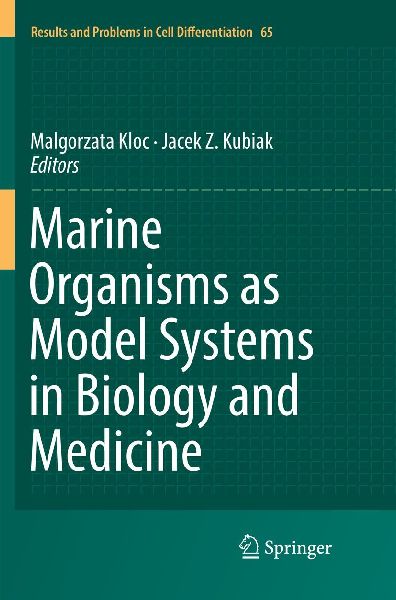
Marine Organisms as Model Systems in Biology and Medicine
Malgorzata Kloc (Hrsg.)
Kartoniert, Englisch, 2 Ausgaben
ab 299,59 €
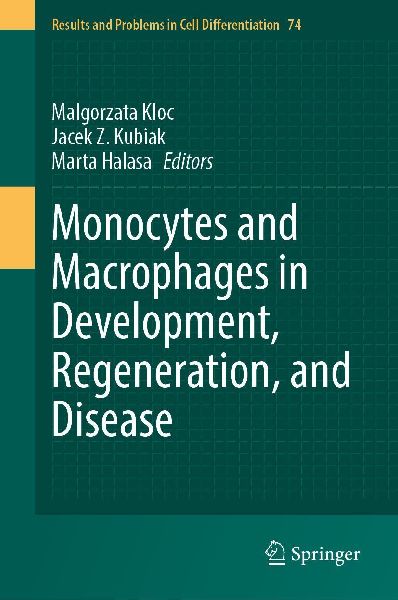
Monocytes and Macrophages in Development, Regeneration, and Disease
Malgorzata Kloc (Hrsg.)
Gebunden, Englisch, 2 Ausgaben
ab 235,39 €
Mehr aus der Reihe Results and Problems in Cell Differentiation
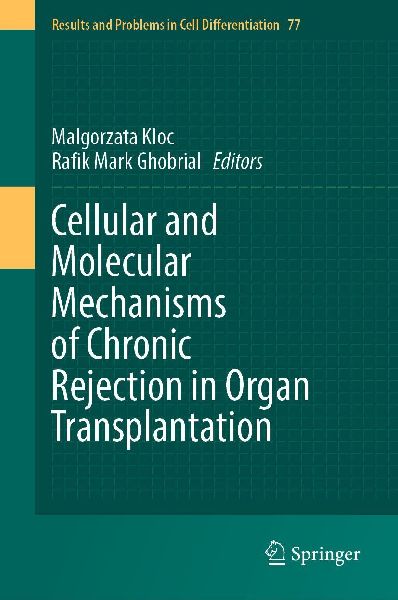
Cellular and Molecular Mechanisms of Chronic Rejection in Organ Transplantation
Malgorzata Kloc (Hrsg.)
Gebunden, Englisch
213,99 €
Histone and Non-Histone Reversible Acetylation in Development, Aging and Disease
Marta Halasa (Hrsg.)
Gebunden, Englisch, 2 Ausgaben
ab 213,99 €
Ähnliche Titel

A multi-omics view on the pathogen Yersinia pseudotuberculosis - bridging metabolism and virulence
René Bücker
Kartoniert, Englisch
29,15 €
Dynamics of Bacteria-Mucus Interactions
Inka Brockhausen (Hrsg.)
Kartoniert, Englisch, 2 Ausgaben
ab 171,19 €
Biocommunication and Natural Genome Editing
Günther Witzany
Kartoniert, Englisch, 2 Ausgaben
ab 160,49 €
Bewertungen
Zu diesem Titel gibt es noch keine Bewertung. Bewerten kann, wer ihn bei uns gekauft hat.
So prüfen wir Bewertungen
Eine Bewertung kann bei uns nur abgeben, wer den Titel über sein Kundenkonto bei uns gekauft hat. Jede Bewertung ist fest mit der zugehörigen Bestellung verknüpft; anders kommt sie technisch gar nicht zustande. Deshalb trägt jede angezeigte Bewertung den Hinweis „Verifizierter Kauf". Wir zeigen positive wie negative Bewertungen und löschen nur bei Rechtsverstößen. Für Bewertungen gibt es keine Gegenleistung.
192,59 €Voraussichtlich 1. bis 3. Dez.