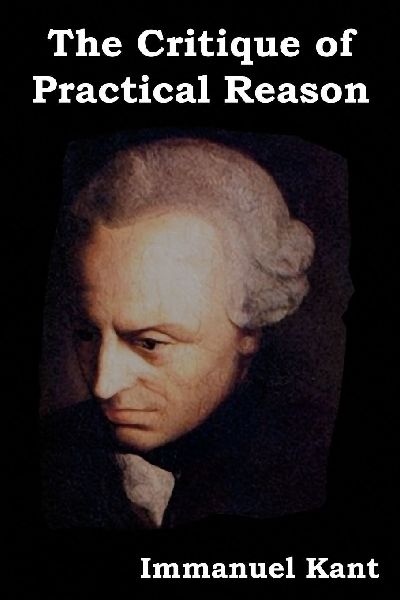
The Critique of Practical Reason
von Immanuel Kant
- Einband
- Kartoniert
- Seiten
- 130
- Sprache
- Englisch
- Erschienen
- Juni 2011
- Verlag
- IndoEuropeanPublishing.com
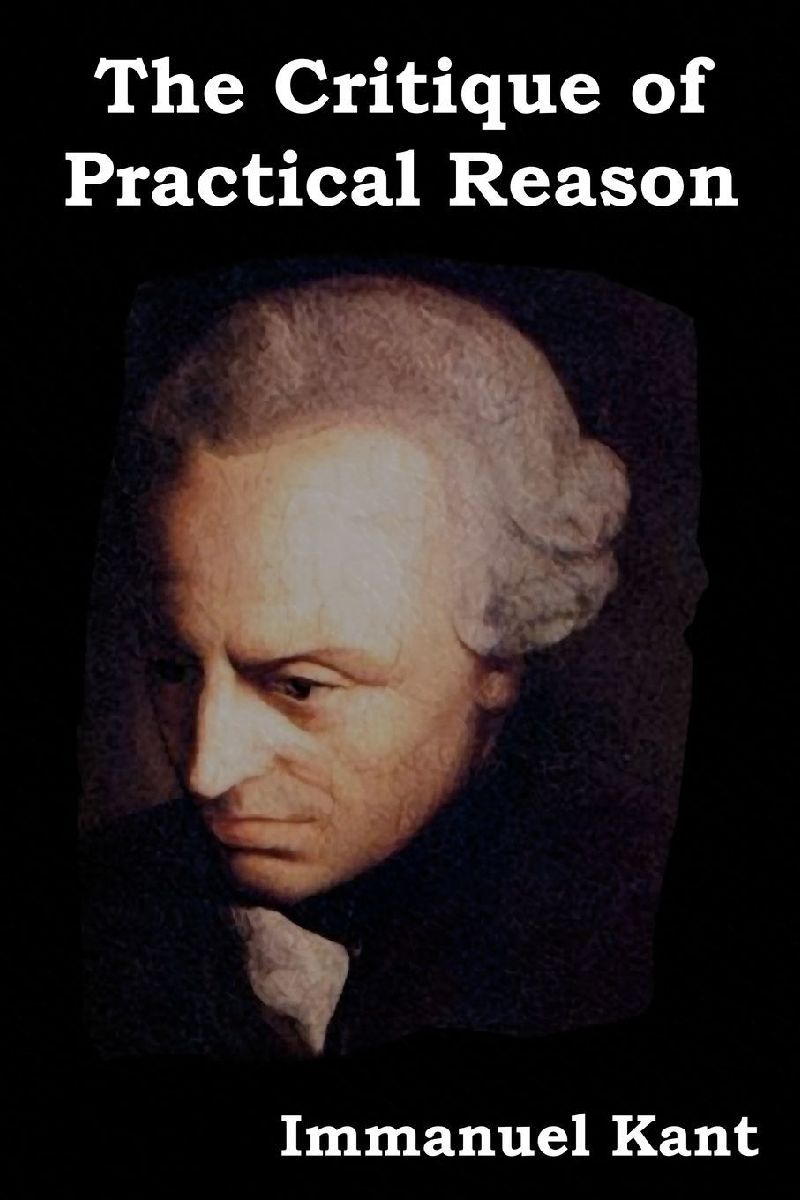
Buchbeschreibung
The Critique of Practical Reason is the second of Immanuel Kant's three critiques, first published in 1788. It follows on from his Critique of Pure Reason and deals with his moral philosophy.
The second Critique exercised a decisive influence over the subsequent development of the field of ethics and moral philosophy, beginning with Fichte's Doctrine of Science and becoming, during the 20th century, the principal reference point for every moral philosophy of a deontological stamp.
Details
- Erscheinungstermin
- Juni 2011
- Kategorie
- Fremdsprachige Bücher
- Einband
- Kartoniert
- Seiten
- 130
- Sprache
- Englisch
- Verlag
- IndoEuropeanPublishing.com
- Format
- 22,9 × 15,2 cm
- Dicke
- 0,8 cm
- Gewicht
- 201 g
- EAN / ISBN-13
- 9781604442694
Über Immanuel Kant
Immanuel Kant ( 22 April 1724 - 12 February 1804) was an influential German philosopher[23] in the Age of Enlightenment.
Mehr über Immanuel KantWeniger anzeigen
In his doctrine of transcendental idealism, he argued that space, time, and causation are mere sensibilities; "things-in-themselves" exist, but their nature is unknowable.[24][25] In his view, the mind shapes and structures experience, with all human experience sharing certain structural features. In one of his major works, the Critique of Pure Reason (1781; second edition 1787),[26] he drew a parallel to the Copernican revolution in his proposition that worldly objects can be intuited a priori ('beforehand'), and that intuition is therefore independent from objective reality.[b]
Kant believed that reason is also the source of morality, and that aesthetics arise from a faculty of disinterested judgment. Kant's views continue to have a major influence on contemporary philosophy, especially the fields of epistemology, ethics, political theory, and post-modern aesthetics. He attempted to explain the relationship between reason and human experience and to move beyond the failures of traditional philosophy and metaphysics. He wanted to put an end to what he saw as an era of futile and speculative theories of human experience, while resisting the skepticism of thinkers such as David Hume. He regarded himself as showing the way past the impasse between rationalists and empiricists,[28] and is widely held to have synthesized both traditions in his thought.[29]
Kant was an exponent of the idea that perpetual peace could be secured through universal democracy and international cooperation. He believed that this would be the eventual outcome of universal history, although it is not rationally planned.[30] The nature of Kant's religious ideas continues to be the subject of philosophical dispute, with viewpoints ranging from the impression that he was an initial advocate of atheism who at some point developed an ontological argument for God, to more critical treatments epitomized by Schopenhauer, who criticized the imperative form of Kantian ethics as "theological morals" and the "Mosaic Decalogue in disguise",[31] and Nietzsche, who claimed that Kant had "theologian blood"[32] and was merely a sophisticated apologist for traditional Christian faith
Versand und Rückgabe
Standardversand: 1 bis 3 Werktage, 3,99 €, kostenlos ab 35 €
Liefergebiet: Deutschland
Rücksendung: 14 Tage Widerrufsrecht. Bei einem Widerruf tragen Sie die Kosten der Rücksendung. Bei einer Falschlieferung oder einem Fehler von uns erstatten wir Ihnen das Rückporto. Den Widerruf erklären Sie über den Knopf „Vertrag widerrufen“ im Fuß der Seite.
Hersteller und ProduktsicherheitIndoEuropeanPublishing.com
IndoEuropeanPublishing.com
Europaallee 1
36244 Bad Hersfeld
Deutschland
gpsr@libri.de
Verantwortliche Person in der EU
Libri GmbHEuropaallee 1
36244 Bad Hersfeld
Deutschland
gpsr@libri.de
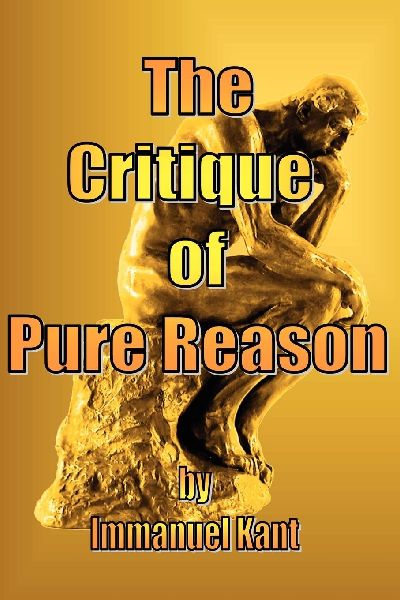
Mehr von Immanuel Kant

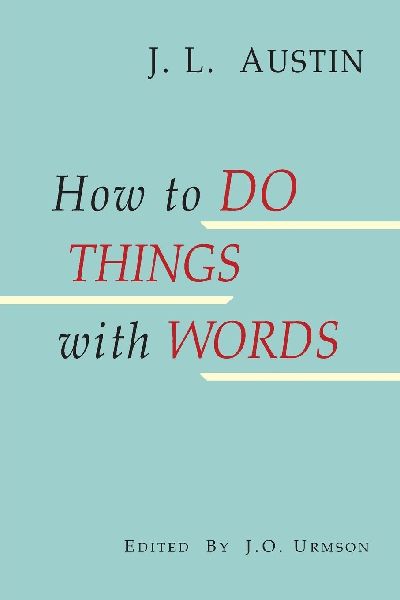
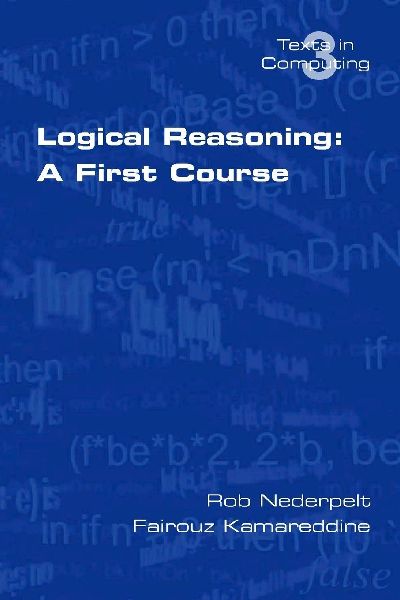
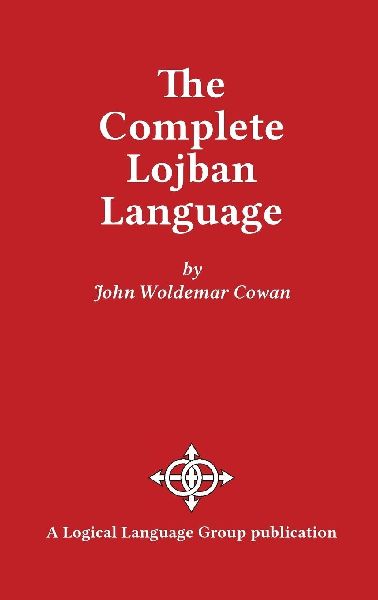
Ähnliche Titel
Bewertungen
Zu diesem Titel gibt es noch keine Bewertung. Bewerten kann, wer ihn bei uns gekauft hat.
So prüfen wir Bewertungen
Eine Bewertung kann bei uns nur abgeben, wer den Titel über sein Kundenkonto bei uns gekauft hat. Jede Bewertung ist fest mit der zugehörigen Bestellung verknüpft; anders kommt sie technisch gar nicht zustande. Deshalb trägt jede angezeigte Bewertung den Hinweis „Verifizierter Kauf". Wir zeigen positive wie negative Bewertungen und löschen nur bei Rechtsverstößen. Für Bewertungen gibt es keine Gegenleistung.
13,70 €Voraussichtlich 2. bis 4. Dez.