Buch-OWLOnline-Buchhandel

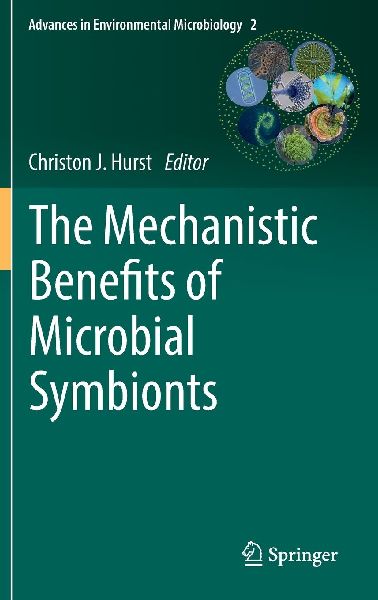
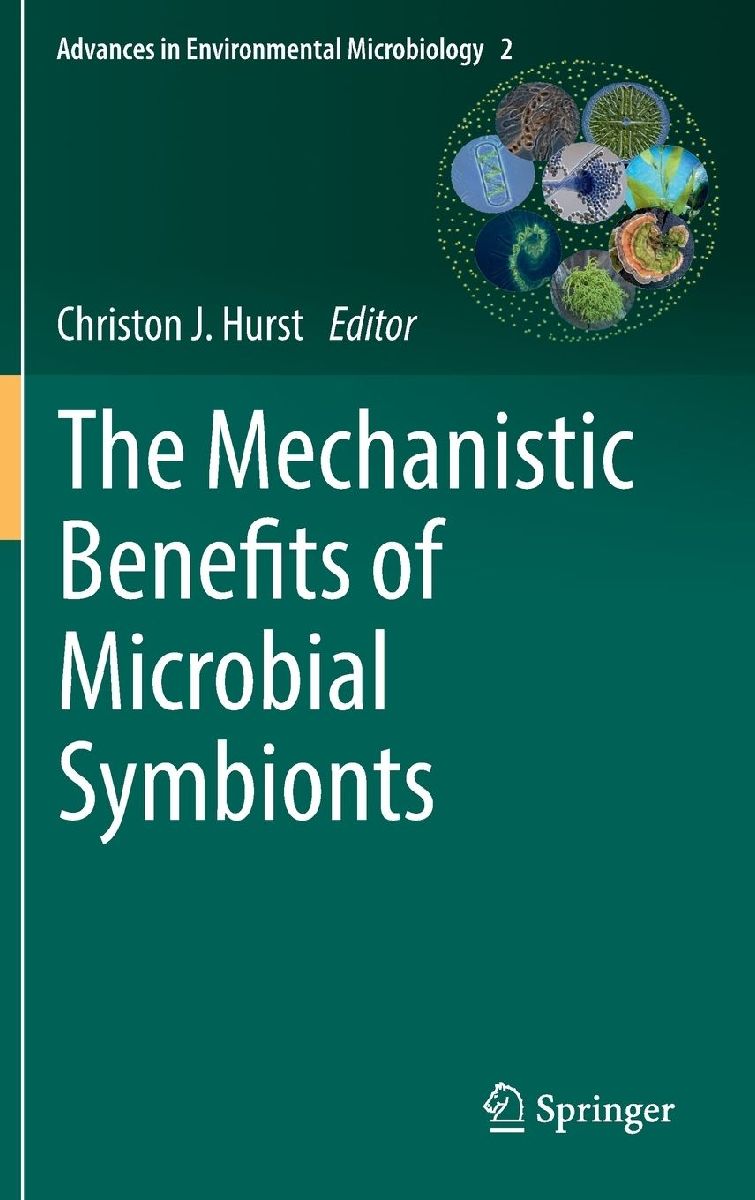
The Mechanistic Benefits of Microbial Symbionts

von Christon J. Hurst (Hrsg.)

Herausgegeben von: Christon J. Hurst

Aus der Reihe Advances in Environmental Microbiology

Einband
Gebunden
Seiten
328
Sprache
Englisch
Erschienen
Juni 2016
Verlag
Springer

Buchbeschreibung

This volume summarizes recent advances in our understanding of the mechanisms that produce successful symbiotic partnerships involving microorganisms.

It begins with a basic introduction to the nature of and mechanistic benefits derived from symbiotic associations.

Ganze Beschreibung lesenWeniger anzeigen

Taking that background knowledge as the starting point, the next sections include chapters that examine representative examples of coevolutionary associations that have developed between species of microbes, as well as associations between microbes and plants.

The authors conclude with a section covering a broad range of associations between microbes and invertebrate animals, in which they discuss the spectrum of hosts, with examples ranging from bryozoans and corals to nematodes, arthropods, and cephalopods. Join the authors on this journey of understanding!

Inhaltsverzeichnis

  • Symbiotic associations: all about chemistry
  • Phage conversion and the role of bacteriophage and host functions in regulation of diphtheria toxin production by Corynebacterium diphtheriae
  • Syntrophic growth of Symbiobacterium in association with free-living bacteria
  • The mechanism of symbiotic nitrogen fixation
  • Antimicrobials and the natural biology of a bacterial-nematode symbiosis
  • The role of symbionts in the evolution of termites and their rise to ecological dominance in the tropics
  • Diverse bacteriophage roles in an aphid-bacterial defensive mutualism
  • Symbiotic Streptomyces provide antifungal defense in solitary wasps
  • Watersipora subtorquata and the possible role of its associated microbes - an attempt to explain the extraordinary invasion success of this marine bryozoan species
  • Animal-Symbiodinium symbioses: foundations of coral reef ecosystems.-Fiat lux: the squid-vibrio association as a model for understanding host-microbe associations

Details

Erscheinungstermin
Juni 2016
Kategorie
Fremdsprachige Bücher
Einband
Gebunden
Seiten
328
Sprache
Englisch
Verlag
Springer
Reihe
Advances in Environmental Microbiology
Format
24,1 × 16,0 cm
Dicke
2,4 cm
Gewicht
607 g
EAN / ISBN-13
9783319280660
Maßstabsgetreu: Deckel und Buchrücken neben einer Hand (18 cm).
Versand und Rückgabe

Standardversand: 1 bis 3 Werktage, 3,99 €, kostenlos ab 35 €

Liefergebiet: Deutschland

Rücksendung: 14 Tage Widerrufsrecht. Bei einem Widerruf tragen Sie die Kosten der Rücksendung. Bei einer Falschlieferung oder einem Fehler von uns erstatten wir Ihnen das Rückporto. Den Widerruf erklären Sie über den Knopf „Vertrag widerrufen“ im Fuß der Seite.

Hersteller und ProduktsicherheitSpringer Nature Customer Service Center GmbH
Springer Nature Customer Service Center GmbH
Europaplatz 3
69115 Heidelberg
Deutschland
ProductSafety@springernature.com

Mehr von Christon J. Hurst

Mehr aus der Reihe Advances in Environmental Microbiology

Ähnliche Titel

Bewertungen

Zu diesem Titel gibt es noch keine Bewertung. Bewerten kann, wer ihn bei uns gekauft hat.
So prüfen wir Bewertungen
Eine Bewertung kann bei uns nur abgeben, wer den Titel über sein Kundenkonto bei uns gekauft hat. Jede Bewertung ist fest mit der zugehörigen Bestellung verknüpft; anders kommt sie technisch gar nicht zustande. Deshalb trägt jede angezeigte Bewertung den Hinweis „Verifizierter Kauf". Wir zeigen positive wie negative Bewertungen und löschen nur bei Rechtsverstößen. Für Bewertungen gibt es keine Gegenleistung.
160,49 €Voraussichtlich 7. bis 9. Dez.

Inhalte ab 18

Cover von Titeln für Erwachsene, etwa erotische Romane, Manga oder Comics, bleiben unscharf, bis Sie bestätigen. Die Bestätigung gilt für alle Seiten und Tabs, bis Sie den Browser schließen.

Zurück zum Katalog