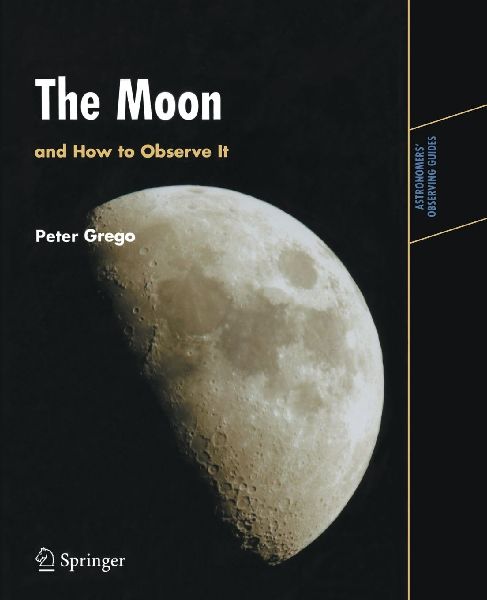
The Moon and How to Observe It
von Peter Grego
Aus der Reihe Astronomers' Observing Guides
- Einband
- Kartoniert
- Seiten
- 288
- Sprache
- Englisch
- Erschienen
- Oktober 2005
- Verlag
- Springer
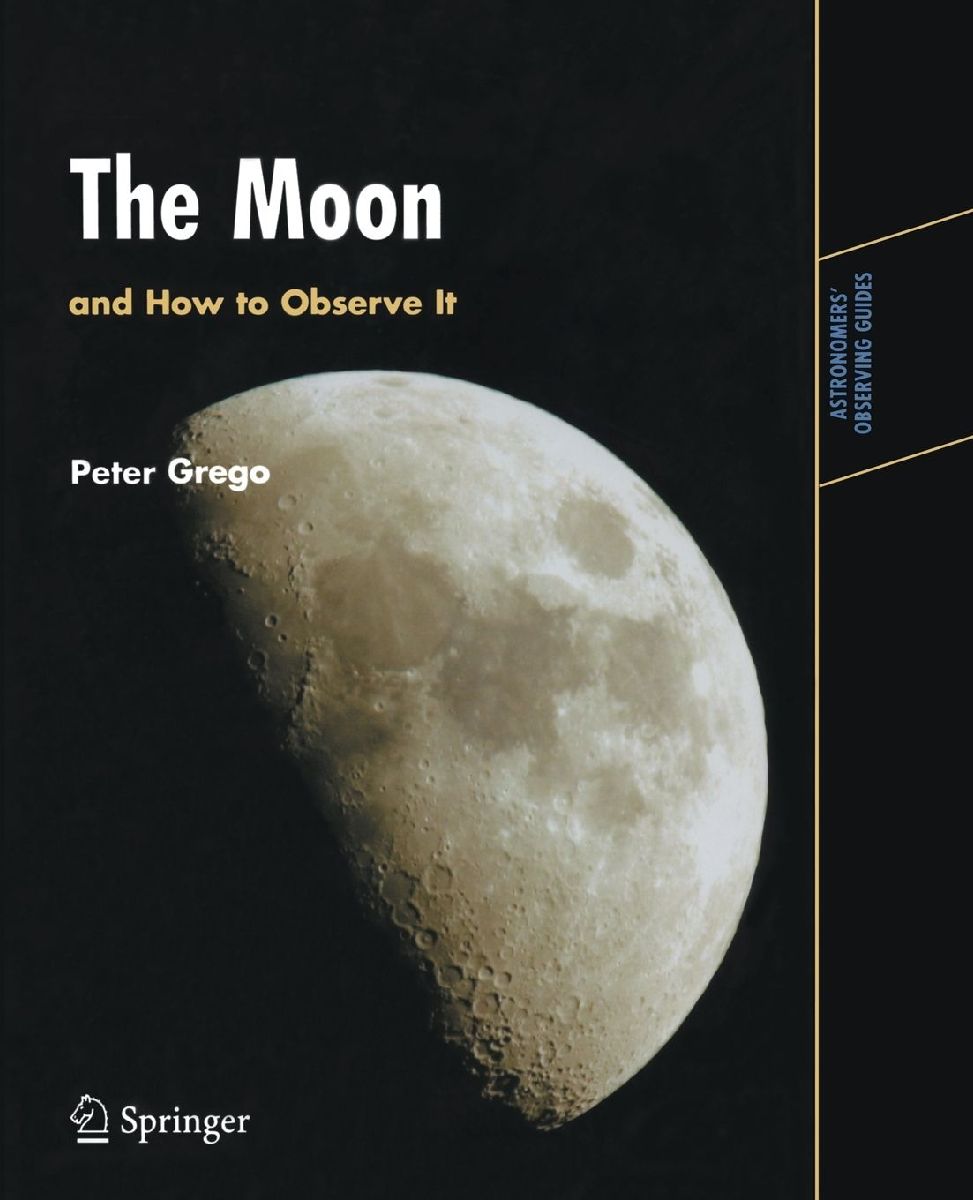
Buchbeschreibung
This revolutionary new book is written for practical amateur astronomers who not only want to observe, but want to know the details of exactly what they are looking at.
The Moon is usually first astronomical object to be observed by amateur astronomers and this is the first book to deal equally with the Moon itself - its formation, geology, and history - as well as the practical aspects of observation.
Ganze Beschreibung lesenWeniger anzeigen
The concept of the book - and of all the Astronomers' Observing Guides - is to present an up-to-date detailed description of the Moon's origin, history and geology (part one); and then (part two) to consider how best to observe and record it with commercially-available telescopes.
The Moon and How to Observe it is a mine of information for all levels of amateur observers, from the beginner to the experienced
Inhaltsverzeichnis
- About the Moon
- The Moon's Origin
- The Measure of the Moon
- Worlds in Comparison
- Observing the Moon
- Observing and Recording the Moon
- Viewing the Moon with the Unaided Eye
- Lunar Showcase: A Binocular Tour of the Moon's Trophy Room
Ganzes Inhaltsverzeichnis anzeigen (11 Einträge)Weniger anzeigen
- A Survey of the Moon's Near Side
- Advanced Lunar Research
- The Lunar Observer's Equipment
Details
- Erscheinungstermin
- Oktober 2005
- Kategorie
- Fremdsprachige Bücher
- Einband
- Kartoniert
- Seiten
- 288
- Sprache
- Englisch
- Verlag
- Springer
- Reihe
- Astronomers' Observing Guides
- Format
- 23,5 × 19,1 cm
- Dicke
- 1,8 cm
- Gewicht
- 608 g
- EAN / ISBN-13
- 9781852337483
Über Peter Grego
Peter Grego is an astronomy writer and editor. A regular watcher of the night skies since 1976, he observes from his home in St. Dennis, Cornwall, UK, with a variety of instruments.
Mehr über Peter GregoWeniger anzeigen
His telescopes include a 102 mm refractor, home-made 150 mm and 300 mm Newtonians (telescope mirror-making is another of his interests) and a 445 mm Newtonian, but his most-used instrument is his 200 mm SCT. Grego's primary observing interests are the Moon's topography, Mars and Jupiter. He now likes to use a hand-held computer to make observational drawings.
Grego has directed the Lunar Section of Britain's Society for Popular Astronomy (SPA) since 1984, and since 2006 has been actively involved with the Lunar Section of the British Astronomical Association (BAA). He edits and produces four astronomy publications - Luna (journal of the SPA Lunar Section), The BAA Lunar Section Circulars and Popular Astronomy magazine. He is also layout editor for the Bulletin of the Society for the History of Astronomy and The Antiquarian Astronomer.
Grego's astronomical writings and observations have been featured in many publications since 1983, including the BAS Newsletter, Popular Astronomy, The New Moon, Amateur Astronomy and Earth Sciences, Gnomon, The Lunar Observer, Yokohama Science Center News, and the CD-ROM Window on the Universe. Since 1997 he has written and illustrated the monthly Moon
Watch page in UK's Astronomy Now magazine, and he is the observing advisor and columnist for the Sky at Night magazine.
He has given many talks to astronomical societies around the UK and has been featured on a number of radio and television broadcasts.
Grego is the author of numerous astronomy books, including Collision:
Earth! (Cassell, 1998), Moon Observer's Guide (Philips/Firefly, 2004), The Moon and How to Observe It (Springer, 2005), Need to Know? Stargazing (Collins, 2005), Need to Know? Universe (Collins, 2006),Solar System Observer's Guide (Philips/Firefly, 2005), Exploring the Earth/Exploring the Moon/ Discovering the Solar System/ Voyage Through Space/ Discovering the Universe (five books in the QED Space Guides series, 2007), Venus and Mercury and How to Observe Them (Springer, 2008), The Great Big Book of Space (QED 2010) and, Galileo and 400 Years of Telescopic Astronomy (Springer, 2010).
Versand und Rückgabe
Standardversand: 1 bis 3 Werktage, 3,99 €, kostenlos ab 35 €
Liefergebiet: Deutschland
Rücksendung: 14 Tage Widerrufsrecht. Bei einem Widerruf tragen Sie die Kosten der Rücksendung. Bei einer Falschlieferung oder einem Fehler von uns erstatten wir Ihnen das Rückporto. Den Widerruf erklären Sie über den Knopf „Vertrag widerrufen“ im Fuß der Seite.
Hersteller und ProduktsicherheitSpringer Nature Customer Service Center GmbH
Springer Nature Customer Service Center GmbH
Europaplatz 3
69115 Heidelberg
Deutschland
ProductSafety@springernature.com
Mehr von Peter Grego
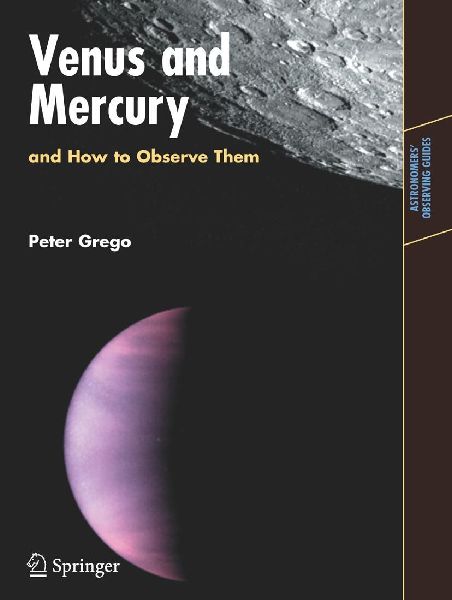
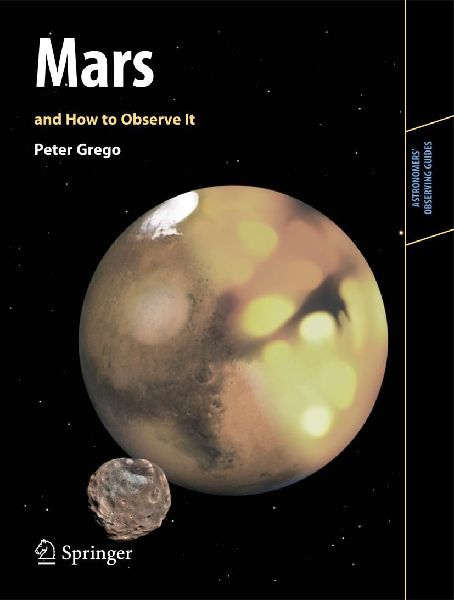
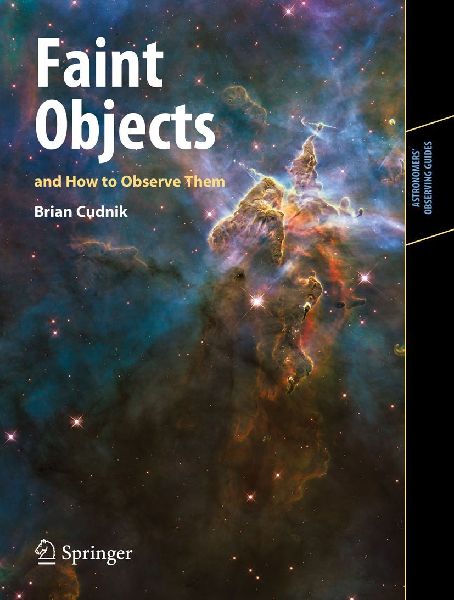
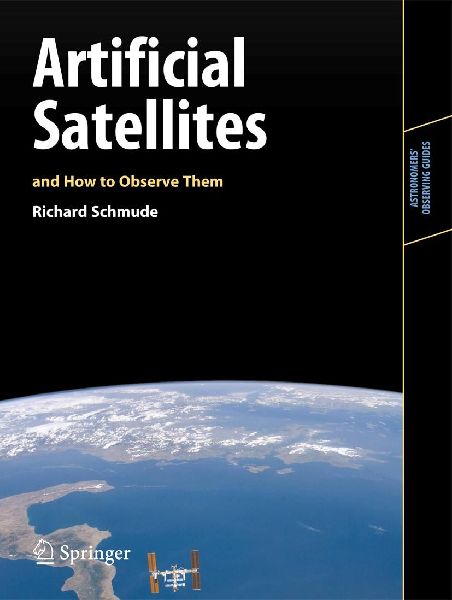
Mehr aus der Reihe Astronomers' Observing Guides
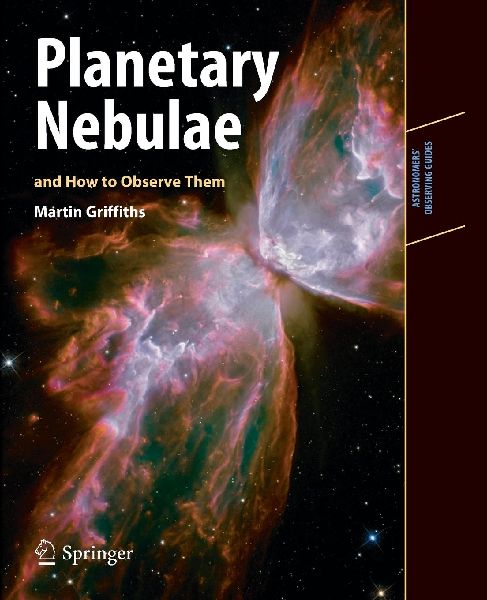
Ähnliche Titel
Proceedings of the 8th International Symposium of Space Optical Instruments and Applications
H. Paul Urbach (Hrsg.)
Kartoniert, Englisch, 2 Ausgaben
ab 213,99 €
Bewertungen
Zu diesem Titel gibt es noch keine Bewertung. Bewerten kann, wer ihn bei uns gekauft hat.
So prüfen wir Bewertungen
Eine Bewertung kann bei uns nur abgeben, wer den Titel über sein Kundenkonto bei uns gekauft hat. Jede Bewertung ist fest mit der zugehörigen Bestellung verknüpft; anders kommt sie technisch gar nicht zustande. Deshalb trägt jede angezeigte Bewertung den Hinweis „Verifizierter Kauf". Wir zeigen positive wie negative Bewertungen und löschen nur bei Rechtsverstößen. Für Bewertungen gibt es keine Gegenleistung.
40,65 €Voraussichtlich 1. bis 3. Dez.