Buch-OWLOnline-Buchhandel

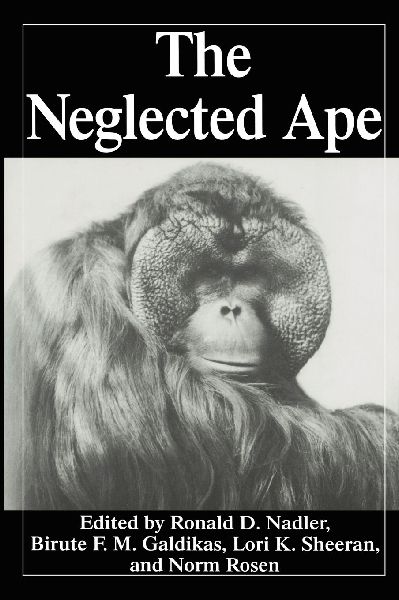
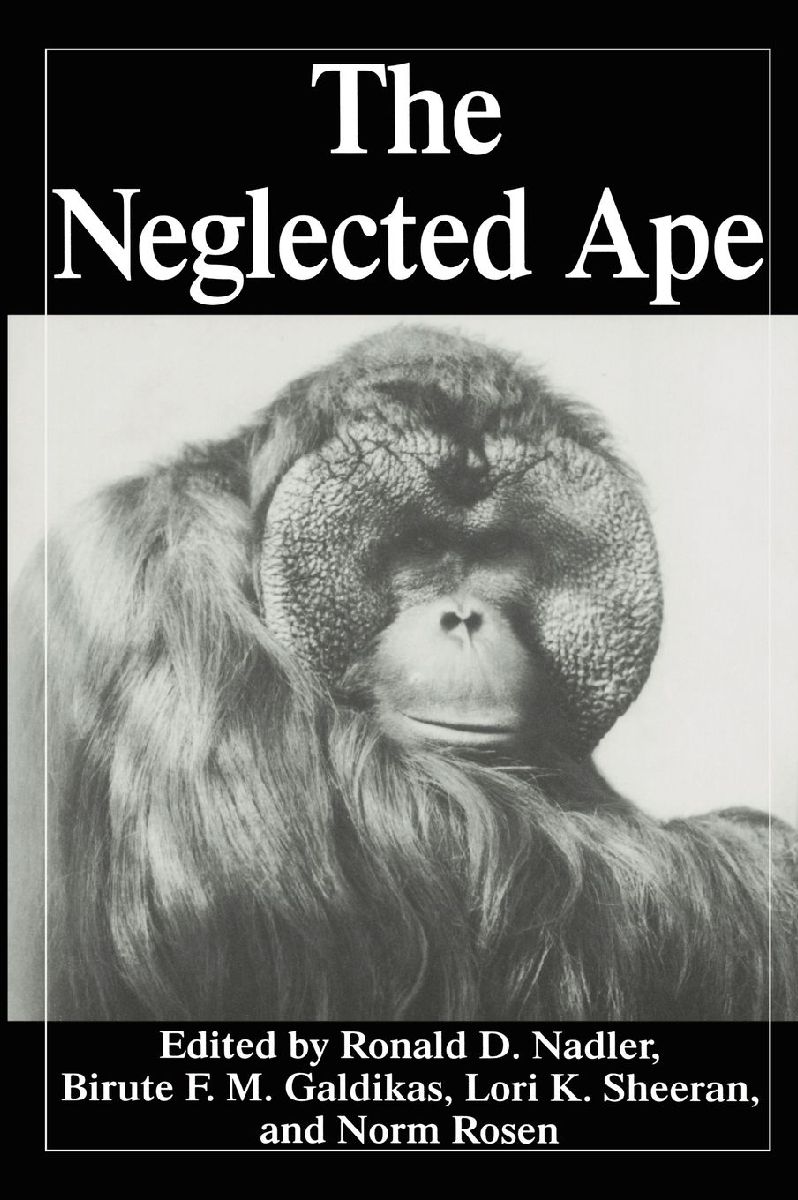
The Neglected Ape

von Biruté M. F. Galdikas (Hrsg.)

Herausgegeben von: Biruté M. F. Galdikas, Herausgegeben von: Lori K. Sheeran, Herausgegeben von: N. Rosen, und weitere

Einband
Gebunden
Seiten
316
Sprache
Englisch
Erschienen
Februar 1996
Verlag
Humana

Buchbeschreibung

The orangutan is the most highly endangered species of great ape.

Orangutans are threatened by deforestation, poaching, the illegal pet trade, and the isolation and fragmen­ tation of dwindling wild populations. Their conservation is impeded by certain aspects of their ecology (e. g. , a rain forest habitat) and certain features of their life history (e. g. , an eight-to twelve-year interbirth interval).

Ganze Beschreibung lesenWeniger anzeigen

Added to the U. S. Endangered Species List in 1970, the orangutan is now clearly on the road to extinction. The number of wild orangutans in Borneo and Sumatra is currently estimated to have decreased to between 12,300 and 20,571 individuals. Only 2% of original orangutan habitat is protected and some of these areas are now being destroyed.

Clearly, attention to ecology, demography, censusing, rehabilitation, and conservation is essential if the orangutan is to survive in the wild beyond the next century. The protection of orangutans is a complex, multifaceted problem, involving such pressing issues as human poverty, overpopulation, and the economic development of Southeast Asia.

Although the orangutan has been placed in Appendix I of the Convention on International Trade in Endangered Species of Wild Fauna and Flora (CITES), more orangutans were sold illegally in Taiwan between 1990 and 1993 than are housed in all the world's zoos. In the past, scientific and public attention has centered on the African apes. For this reason, the sole Asian great ape, the orangutan, has been called the "neglected ape.

Inhaltsverzeichnis

  • 1. Of Human Fear and Indifference: The Plight of the Orangutan
  • 2. The Neglected Ape?: NATO and the Imminent Extinction of Our Close Relative
  • 3. The Impact of Socioeconomic Decisions on the Status of the Orangutan and Other East Asian Fauna
  • 4. Orangutans, Science, and Collective Reality
  • 5. Conservation of Orangutans: Threats and Prospects
  • 6. Capture of Wild Orangutans by Drug Immobilization
  • 7. Rehabilitation Centers: Their Struggle, Their Future
  • 8. A New Method for Rehabilitation of Orangutans in Indonesia: A First Overview
Ganzes Inhaltsverzeichnis anzeigen (27 Einträge)Weniger anzeigen
  • 9. Introduction to the Orangutan Population and Habitat Viability Analysis (PHVA) Workshop
  • 10. Using GIS to Evaluate Habitat Risk to Wild Populations of Sumatran Orangutans
  • 11. Orangutan Life History and VORTEX Analysis
  • 12. Estimates of Orangutan Distribution and Status in Sumatra
  • 13. Estimates of Orangutan Distribution and Status in Borneo
  • 14. Conservation Action Plan for Orangutans in Indonesia
  • 15. Population Estimates and Habitat Preferences of Orangutans Based on Line Transects of Nests
  • 16. The Orangutan: A Social Outsider: A Socio-Ecological Test Case
  • 17. Social and Reproductive Behavior of Wild Adolescent Female Orangutans
  • 18. Behavioral Changes in Wild Male and Female Sumatran Orangutans (Pongo pygmaeus abelii) during and following a Resident Male Take-Over
  • 19. Imitation and Tool Use in Rehabilitant Orangutans
  • 20. Attentiveness in Orangutans within the Sign Learning Context
  • 21. Follicle Stimulation and Ovum Collection in the Orangutan
  • 22. Sexual Behavior of Orangutans (Pongo pygmaeus): Basic and Applied Implications
  • 23. Proximity, Contact, and Play Interactions of Zoo-Living Juvenile and Adult Orangutans, with Focus on the Adult Male
  • 24. A Brief Review of Studies of Orangutan Morphology and Development with a Discussion of Their Relevancy to Physical Anthropology
  • 25. Genetic Variability in Orangutans
  • 26. Doing It Naturally: Reproduction in Captive Orangutans (Pongo pygmaeus)
  • 27. Integrating Needs in Great Ape Accommodation: Sumatran Orangutan (Pongo pygmaeus abelii) "Home-Habitat" at the Jersey Wildlife Preservation Trust

Details

Erscheinungstermin
Februar 1996
Kategorie
Fremdsprachige Bücher
Einband
Gebunden
Seiten
316
Sprache
Englisch
Verlag
Humana
Format
26,0 × 18,3 cm
Dicke
2,3 cm
Gewicht
730 g
EAN / ISBN-13
9780306452130
Maßstabsgetreu: Deckel und Buchrücken neben einer Hand (18 cm).
Versand und Rückgabe

Standardversand: 1 bis 3 Werktage, 3,99 €, kostenlos ab 35 €

Liefergebiet: Deutschland

Rücksendung: 14 Tage Widerrufsrecht. Bei einem Widerruf tragen Sie die Kosten der Rücksendung. Bei einer Falschlieferung oder einem Fehler von uns erstatten wir Ihnen das Rückporto. Den Widerruf erklären Sie über den Knopf „Vertrag widerrufen“ im Fuß der Seite.

Hersteller und ProduktsicherheitSpringer Nature Customer Service Center GmbH
Springer Nature Customer Service Center GmbH
Europaplatz 3
69115 Heidelberg
Deutschland
ProductSafety@springernature.com

Ähnliche Titel

Bewertungen

Zu diesem Titel gibt es noch keine Bewertung. Bewerten kann, wer ihn bei uns gekauft hat.
So prüfen wir Bewertungen
Eine Bewertung kann bei uns nur abgeben, wer den Titel über sein Kundenkonto bei uns gekauft hat. Jede Bewertung ist fest mit der zugehörigen Bestellung verknüpft; anders kommt sie technisch gar nicht zustande. Deshalb trägt jede angezeigte Bewertung den Hinweis „Verifizierter Kauf". Wir zeigen positive wie negative Bewertungen und löschen nur bei Rechtsverstößen. Für Bewertungen gibt es keine Gegenleistung.
160,49 €Voraussichtlich 4. bis 8. Dez.

Inhalte ab 18

Cover von Titeln für Erwachsene, etwa erotische Romane, Manga oder Comics, bleiben unscharf, bis Sie bestätigen. Die Bestätigung gilt für alle Seiten und Tabs, bis Sie den Browser schließen.

Zurück zum Katalog