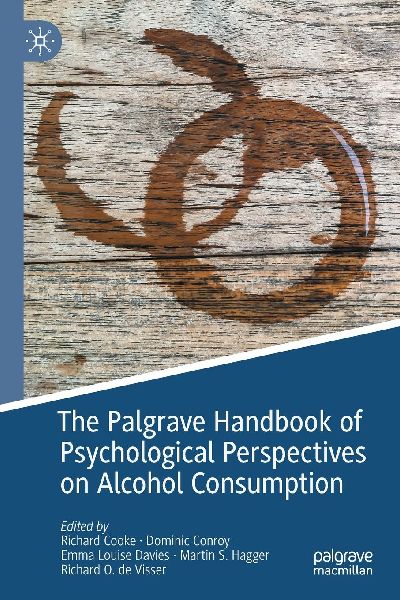
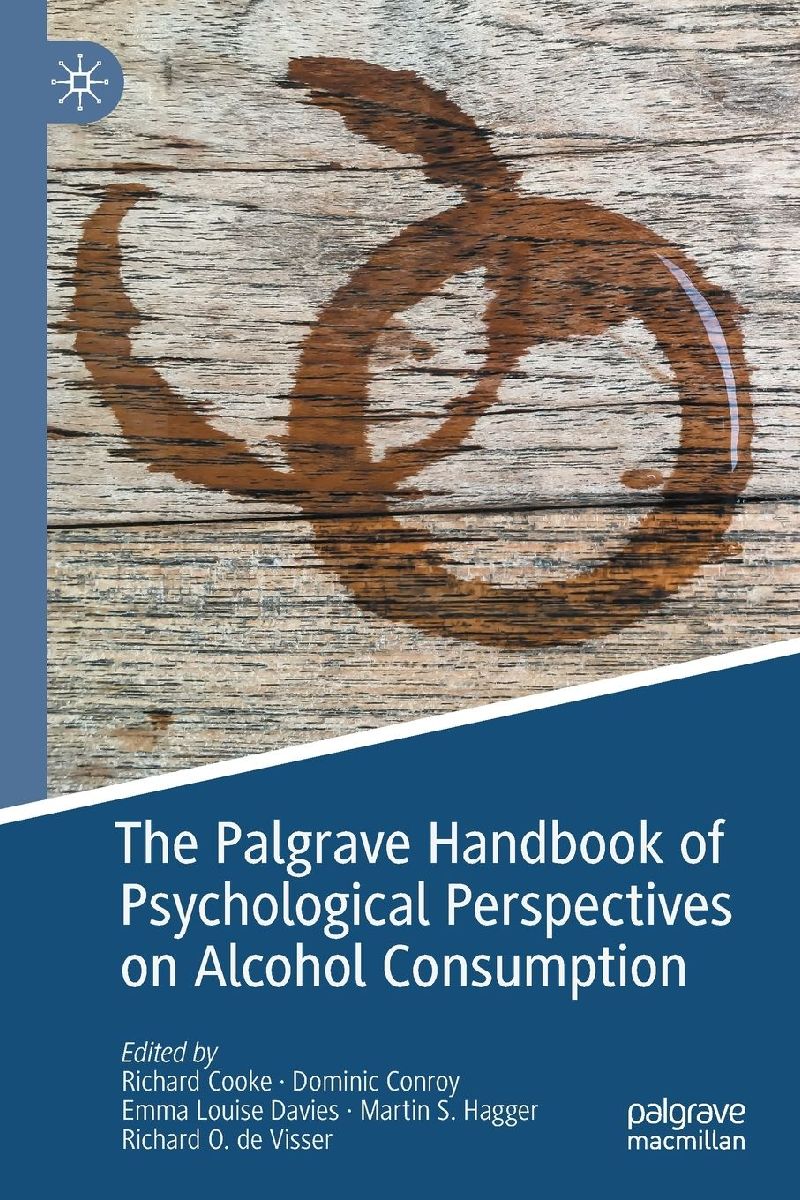
The Palgrave Handbook of Psychological Perspectives on Alcohol Consumption
Herausgegeben von: Richard Cooke, Herausgegeben von: Dominic Conroy, Herausgegeben von: Emma Louise Davies, und weitere
- Einband
- Kartoniert
- Seiten
- 616
- Sprache
- Englisch
- Erschienen
- Mai 2022
- Verlag
- Springer
Buchbeschreibung
1. Psychological Perspectives on Alcohol Consumption.
Ganze Beschreibung lesenWeniger anzeigen
- Section I. Psychological Theories and Predictors.- 2. Psychological Theories of Alcohol Consumption.- 3. Drinking beyond intentions: The prototype willingness model and alcohol consumption.- 4. Psychological Predictors of Alcohol Consumption.- 5 Personality Traits and Alcohol Use and Misuse.
- Section II. Social Contextual Factors.- 6. The Social Contexts of Alcohol Use.- 7. Cultural Differences in Alcohol Consumption: The State of the Art and New Perspectives on Drinking Culture Research.- 8. Alcohol Use and Problems at the Event Level: Theory, Methods, and Intervention.- 9. The Contextual Milieu of Alcohol Consumption.- 10. Altering Choice Architecture to Alter Drinking Behaviour: Evidence from Research on Lower Strength Alcohol Labelling and Glass Design.
- Section III. Drinking Identities.- 11. Young Adults and Online Drinking Identities.- 12. Deconstructing the Alcohol-Sport Paradox: Why Do Student Athletes Misuse Alcohol and How Can We Change Behaviour?.- 13. Determinants and Effects of Pre-drinking.- 14. Strategies for Managing Alcohol Intake and Refusing Offers of Alcoholic Drinks.
- Section IV. Developmental Trajectories for Alcohol Use.- 15. Alcohol-Related Cognitions among Children Aged 2-12:Where Do They Originate From and How Do They Develop?.- 16. Adolescent Perceptions of Alcohol Consumption: A Cultural Approach.- 17. Parental Communication About Alcohol Consumption.- 18. Adolescent Alcohol Use and Development: Layered Ecological Contexts and Agents for Change.
- Section V. Interventions to Reduce Alcohol Consumption.- 19. Alcohol Labelling: Evidence for Product Information Interventions.- 20. Electronic Brief Personalised Feedback Interventions for Alcohol Use.- 21. Motivational and Self-Regulatory Interventions to Reduce Alcohol Consumption.- 22. Does Cognitive Bias Modification Reduce Alcohol Consumption?.- 23. Psychological Perspectives on Alcohol: Visions for the Future.
Inhaltsverzeichnis
- 1. Psychological Perspectives on Alcohol Consumption
- Section I. Psychological Theories and Predictors
- 2. Psychological Theories of Alcohol Consumption
- 3. Drinking beyond intentions: The prototype willingness model and alcohol consumption
- 4. Psychological Predictors of Alcohol Consumption
- 5 Personality Traits and Alcohol Use and Misuse
- Section II . Social Contextual Factors
- 6. The Social Contexts of Alcohol Use
Ganzes Inhaltsverzeichnis anzeigen (28 Einträge)Weniger anzeigen
- 7. Cultural Differences in Alcohol Consumption: The State of the Art and New Perspectives on Drinking Culture Research
- 8. Alcohol Use and Problems at the Event Level: Theory, Methods, and Intervention
- 9. The Contextual Milieu of Alcohol Consumption
- 10. Altering Choice Architecture to Alter Drinking Behaviour: Evidence from Research on Lower Strength Alcohol Labelling and Glass Design
- Section III. Drinking Identities
- 11. Young Adults and Online Drinking Identities
- 12. Deconstructing the Alcohol-Sport Paradox: Why Do Student Athletes Misuse Alcohol and How Can We Change Behaviour?
- 13. Determinants and Effects of Pre-drinking
- 14. Strategies for Managing Alcohol Intake and Refusing Offers of Alcoholic Drinks
- Section IV. Developmental Trajectories for Alcohol Use
- 15. Alcohol-Related Cognitions among Children Aged 2-12:Where Do They Originate From and How Do They Develop?
- 16. Adolescent Perceptions of Alcohol Consumption: A Cultural Approach
- 17. Parental Communication About Alcohol Consumption
- 18. Adolescent Alcohol Use and Development: Layered Ecological Contexts and Agents for Change
- Section V. Interventions to Reduce Alcohol Consumption
- 19. Alcohol Labelling: Evidence for Product Information Interventions
- 20. Electronic Brief Personalised Feedback Interventions for Alcohol Use
- 21. Motivational and Self-Regulatory Interventions to Reduce Alcohol Consumption
- 22. Does Cognitive Bias Modification Reduce Alcohol Consumption?
- 23. Psychological Perspectives on Alcohol: Visions for the Future
Details
- Erscheinungstermin
- Mai 2022
- Kategorie
- Fremdsprachige Bücher
- Einband
- Kartoniert
- Seiten
- 616
- Sprache
- Englisch
- Verlag
- Springer
- Format
- 23,5 × 15,5 cm
- Dicke
- 3,3 cm
- Gewicht
- 920 g
- EAN / ISBN-13
- 9783030669430
Über Richard Cooke (Hrsg.)
Richard Cooke is Senior Lecturer in Psychology in the Institute for Population Health and the Liverpool Centre for Alcohol Research at the University of Liverpool, UK.
Mehr über Richard Cooke (Hrsg.)Weniger anzeigen
Dominic Conroy is Lecturer in Psychology in the Department of Psychological Science at the University of East London, UK.Emma Louise Davies is Senior Lecturer in Psychology at Oxford Brookes University, UK.Martin S. Hagger is Professor of Health Psychology in the Department of Psychological Sciences at the University of California, Merced, USA.Richard O. de Visser is a Reader in Psychology in the School of Psychology at the University of Sussex, UK and at the Brighton & Sussex Medical School, Department of Primary Care and Public Health.
Versand und Rückgabe
Standardversand: 1 bis 3 Werktage, 3,99 €, kostenlos ab 35 €
Liefergebiet: Deutschland
Rücksendung: 14 Tage Widerrufsrecht. Bei einem Widerruf tragen Sie die Kosten der Rücksendung. Bei einer Falschlieferung oder einem Fehler von uns erstatten wir Ihnen das Rückporto. Den Widerruf erklären Sie über den Knopf „Vertrag widerrufen“ im Fuß der Seite.
Hersteller und ProduktsicherheitSpringer Nature Customer Service Center GmbH
Springer Nature Customer Service Center GmbH
Europaplatz 3
69115 Heidelberg
Deutschland
ProductSafety@springernature.com
Mehr von Richard Cooke



Ähnliche Titel
Healing Complex Posttraumatic Stress Disorder
Gillian O'Shea Brown
Kartoniert, Englisch, 2 Ausgaben
ab 53,49 €
Bewertungen
Zu diesem Titel gibt es noch keine Bewertung. Bewerten kann, wer ihn bei uns gekauft hat.
So prüfen wir Bewertungen
Eine Bewertung kann bei uns nur abgeben, wer den Titel über sein Kundenkonto bei uns gekauft hat. Jede Bewertung ist fest mit der zugehörigen Bestellung verknüpft; anders kommt sie technisch gar nicht zustande. Deshalb trägt jede angezeigte Bewertung den Hinweis „Verifizierter Kauf". Wir zeigen positive wie negative Bewertungen und löschen nur bei Rechtsverstößen. Für Bewertungen gibt es keine Gegenleistung.
192,59 €Voraussichtlich 2. bis 4. Dez.