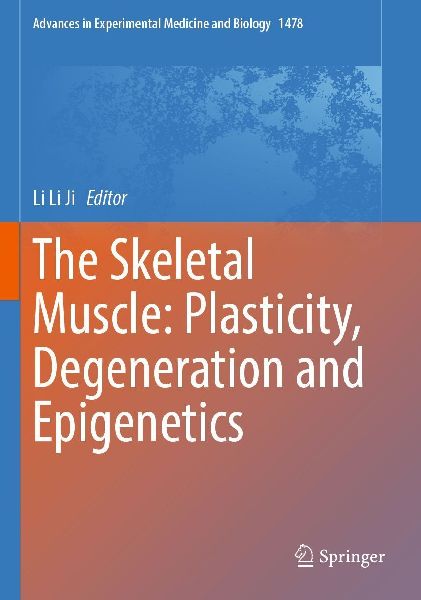
The Skeletal Muscle: Plasticity, Degeneration and Epigenetics
von Li Li Ji (Hrsg.)
Herausgegeben von: Li Li Ji
Aus der Reihe Advances in Experimental Medicine and Biology
- Einband
- Kartoniert
- Seiten
- 680
- Sprache
- Englisch
- Erschienen
- August 2026
- Verlag
- Springer
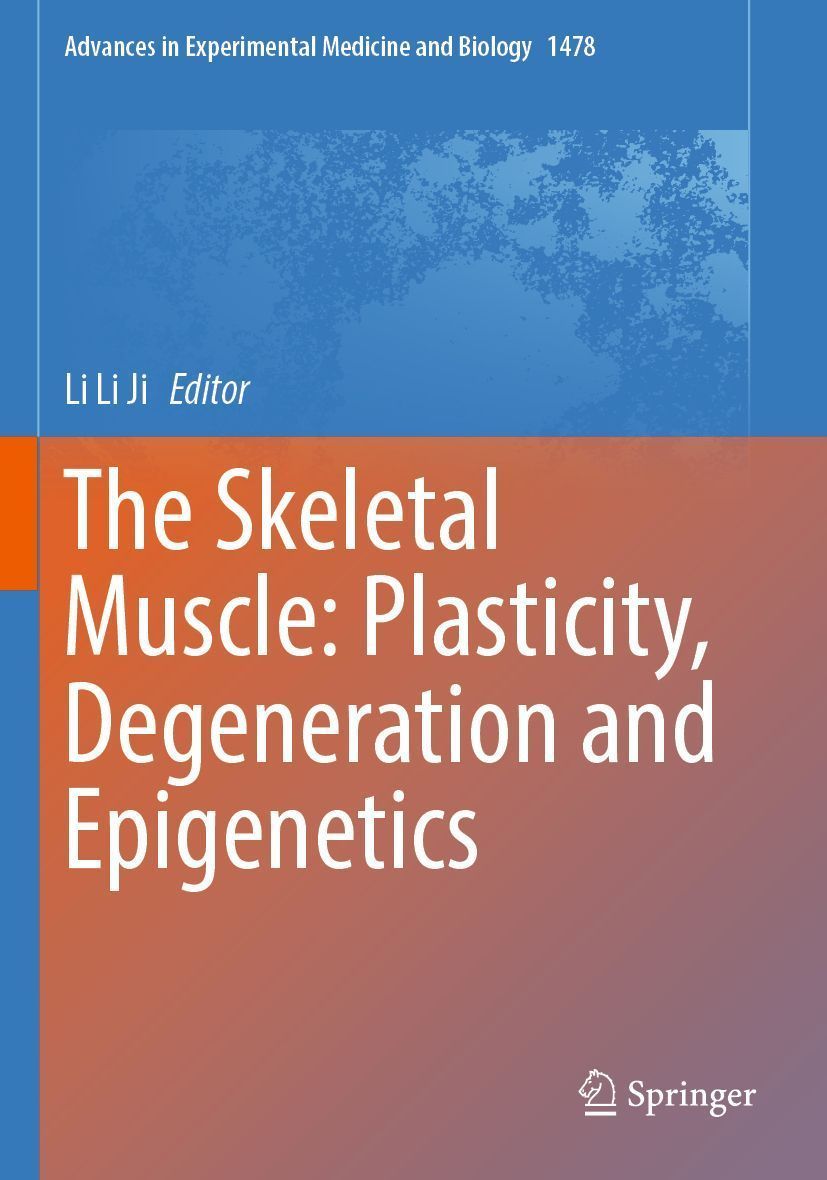
Buchbeschreibung
Skeletal muscle is not an organ merely for locomotion with simple anatomical and metabolic features as has been viewed for a long time.
The understanding that physical activity plays a vital role in health promotion and disease prevention under the slogan of "exercise is medicine" has dramatically increased the enthusiasm and demand for knowledge about the skeletal muscle.
Ganze Beschreibung lesenWeniger anzeigen
This book, "The Skeletal Muscle: Plasticity, Degeneration and Epigenetics", is a follow up of another book authored by the Editor, which provides the morphological, physiological, biochemical and molecular biological foundations for organ’s response and adaptation to functional demand, and for the mechanisms and prevention for the organ’s pathogenesis and degeneration.
Research in the past several decades has demonstrated that skeletal muscle has a tremendous ability to undergo internal changes in response to functional, environmental, nutritional and genetic challenges, through various neural, endocrine and autocrine pathways for signal transduction. Although the contractile proteins show a relatively slow turnover, many organelles and constituents in the myocyte exhibit considerable remodeling throughout the muscle’s life cycle.
In this regard, mitochondrion plays a central role in the crosstalk of signaling not only in its own turnover and quality control, but also in exerting important influences on other vital cellular functions. On the opposite side, skeletal muscle is highly vulnerable to disuse and misuse that can cause injury, inflammation, degeneration and atrophy.
The various chapters in this book, contributed by the experts in the field, will introduce and review the most concurrent knowledge to address important issues related to muscle plasticity, pathogenesis, disease and aging. Potential strategies to prevent and ameliorate the above problems in a whole-body perspective will be highlighted to provide the readers with the inspiration to learn and work with this important and intriguing organ.
Inhaltsverzeichnis
- PartI: Skeletal Muscle Adaptability and Plasticity
- Muscle Fuel Utilization With Glycolysis Viewed Right Side Up
- Mitochondrial Biogenesis in Skeletal Muscle
- Mitochondrial Quality Control
- The Structural Adaptations that Mediate Mechanical Load-Induced Changes in Muscle Mass
- Hormesis and Muscle Plasticity
- Circadian Rhythm and Muscle Function
- Muscle Proteome Dynamics.-Part II: Muscle Disuse, Injury and Inflammation
Ganzes Inhaltsverzeichnis anzeigen (31 Einträge)Weniger anzeigen
- Muscle Disuse Atrophy
- Skeletal Muscle Damage and Inflammation
- Traumatic skeletal muscle injury and recovery
- Part III: Muscle Diseases
- Muscular Dystrophies
- Cancer Cachexia
- Part IV: Skeletal Muscle Aging
- Mechanisms of Biological Aging with special reference to the Skeletal Muscle
- Mitochondrial DNA deletion mutations: A molecular cause of age-induced skeletal muscle fiber dysfunction and fiber death contributing to sarcopenia
- Prevention of Sarcopenia
- Lifestyle interventions in frailty
- Protein acetylation and NAD+ Homeostasis in Aging Muscle
- Part V: Epigenetic Regulation of Muscle Function
- Gene Manipulation of Muscle Phenotype
- Redox control of skeletal muscle function and adaptations to exercise
- The Skeletal Muscle Plasticity, Adaptation and Epigenetics
- Training-induced metabolic adaptations in skeletal muscle
- Skeletal Muscle and Whole-body Health
- Skeletal muscle as endocrine organ
- Skeletal Muscle and the Immune System
- Lactate Metabolism in Health and Disease
- Diaphragm function in health and disease
- Skeletal Muscle and Cardiovascular Health
Details
- Erscheinungstermin
- August 2026
- Kategorie
- Fremdsprachige Bücher
- Einband
- Kartoniert
- Seiten
- 680
- Sprache
- Englisch
- Verlag
- Springer
- Reihe
- Advances in Experimental Medicine and Biology
- Format
- 25,4 × 17,8 cm
- Dicke
- 3,7 cm
- Gewicht
- 1.257 g
- EAN / ISBN-13
- 9783031883637
Über Li Li Ji (Hrsg.)
Li Li Ji has been Professor and Director of the Laboratory of Physiological Hygiene and Exercise at the University of Minnesota Twin Cities since 2011. He served as the Director of School of Kinesiology during 2011-2017.
Mehr über Li Li Ji (Hrsg.)Weniger anzeigen
Li Li Ji received his PhD (1985) and postdoctoral training (1985-87) at the Institute for Enzyme Research at University of Wisconsin-Madison and served as assistant and associate professor at University of Illinois at Urbana-Champaign (1987-1993) and associate (1994-1997) and full professor at University of Wisconsin-Madison (1997-2011), including 10 years as Chair of Kinesiology Department. Professor Ji’s research expertise is cellular and molecular exercise physiology, especially the roles of free radicals and antioxidants in muscle function, adaptation to exercise, pathogenic mechanism, cell signaling and aging. He has published ~200 peer-reviewed articles and book chapters and given over 180 invited international and domestic lectures. His recent research focus has been on mitochondrial quality control and redox signaling in skeletal muscle. Professor Ji has served on many editorial boards and currently is the deputy editor-in-chief for the journal Sport Medicine and Health Science. He has been a member of the National Academy of Kinesiology (NAK) since 2006, a Fellow of the American College of Sports Medicine (ACSM) since 1990, and Fellow of the Society for Redox Biology and Medicine (SfRBM) since 2022. His scholarly work has received ~25,000 citations and earned a Google Scholar h-index of 80. Professor Ji received the prestigious Citation Award from ACSM in 2023 and was granted an Honorary Doctorate Degree (Doctor Honoris Causa) from Hungarian National University of Sport Science in 2020. He has established broad collaborations with universities and research institutions over the world. In 2023 Professor Ji received a Special Contribution Award from the Chinese Physiological Society for his decades-long collaboration with China in Exercise Physiology.
Versand und Rückgabe
Standardversand: 1 bis 3 Werktage, 3,99 €, kostenlos ab 35 €
Liefergebiet: Deutschland
Rücksendung: 14 Tage Widerrufsrecht. Bei einem Widerruf tragen Sie die Kosten der Rücksendung. Bei einer Falschlieferung oder einem Fehler von uns erstatten wir Ihnen das Rückporto. Den Widerruf erklären Sie über den Knopf „Vertrag widerrufen“ im Fuß der Seite.
Hersteller und ProduktsicherheitSpringer Nature Customer Service Center GmbH
Springer Nature Customer Service Center GmbH
Europaplatz 3
69115 Heidelberg
Deutschland
ProductSafety@springernature.com
Mehr aus der Reihe Advances in Experimental Medicine and Biology
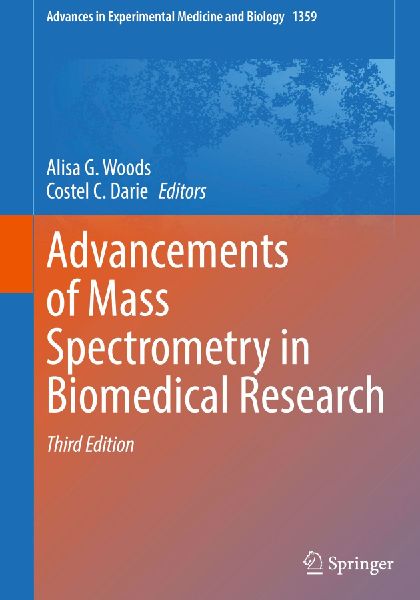
Advancements of Mass Spectrometry in Biomedical Research
Alisa G. Woods (Hrsg.)
Gebunden, Englisch
320,99 €
Atlas of Inherited Retinal Diseases
Stephen H. Tsang (Hrsg.)
Kartoniert, Englisch, 2 Ausgaben
ab 106,99 €
Ähnliche Titel
Cardiac Mechanobiology in Physiology and Disease
Markus Hecker (Hrsg.)
Kartoniert, Englisch, 2 Ausgaben
ab 213,99 €
Next Generation Culture Platforms for Reliable In Vitro Models
Tiziana A. L. Brevini (Hrsg.)
Kartoniert, Englisch, 2 Ausgaben
ab 139,09 €
Bewertungen
Zu diesem Titel gibt es noch keine Bewertung. Bewerten kann, wer ihn bei uns gekauft hat.
So prüfen wir Bewertungen
Eine Bewertung kann bei uns nur abgeben, wer den Titel über sein Kundenkonto bei uns gekauft hat. Jede Bewertung ist fest mit der zugehörigen Bestellung verknüpft; anders kommt sie technisch gar nicht zustande. Deshalb trägt jede angezeigte Bewertung den Hinweis „Verifizierter Kauf". Wir zeigen positive wie negative Bewertungen und löschen nur bei Rechtsverstößen. Für Bewertungen gibt es keine Gegenleistung.
299,59 €Voraussichtlich 1. bis 3. Dez.