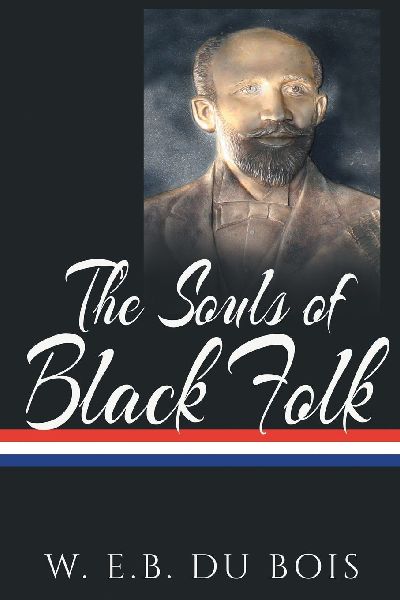
The Souls of Black Folk
von W. E. B. Du Bois
- Einband
- Kartoniert
- Seiten
- 174
- Sprache
- Englisch
- Erschienen
- Februar 2017
- Verlag
- Stanford Inversiones SpA
Buchbeschreibung
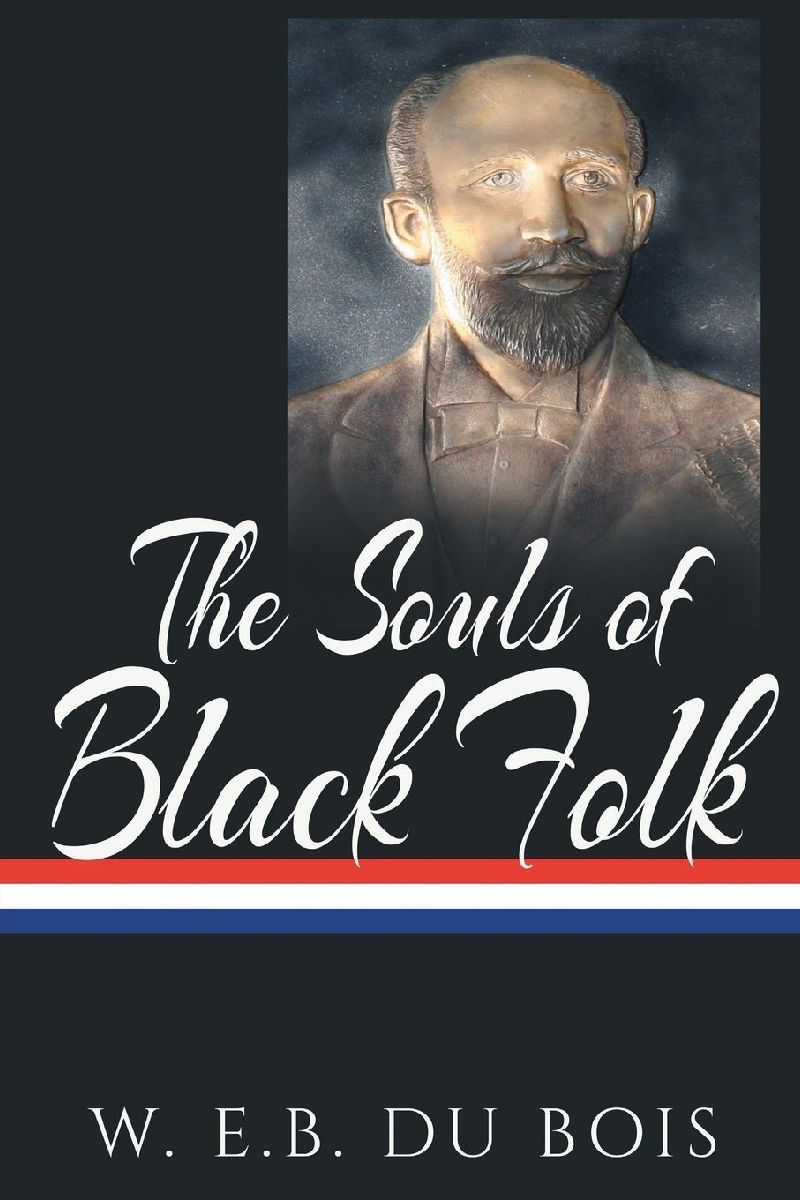
This collection of essays by scholar-activist W. E. B. Du Bois is a masterpiece in the African American canon.
Du Bois, arguably the most influential African American leader of the early twentieth century, offers insightful commentary on black history, racism, and the struggles of black Americans following emancipation.
Ganze Beschreibung lesenWeniger anzeigen
In his groundbreaking work, the author presciently writes that "the problem of the twentieth century is the problem of the color line," and offers powerful arguments for the absolute necessity of moral, social, political, and economic equality.
These essays on the black experience in America range from sociological studies of the African American community to illuminating discourses on religion and "Negro music," and remain essential reading in our so-called "post-racial age."
Details
- Erscheinungstermin
- Februar 2017
- Kategorie
- Fremdsprachige Bücher
- Einband
- Kartoniert
- Seiten
- 174
- Sprache
- Englisch
- Verlag
- Stanford Inversiones SpA
- Format
- 22,9 × 15,2 cm
- Dicke
- 1,0 cm
- Gewicht
- 262 g
- EAN / ISBN-13
- 9781684112852
Über W. E. B. Du Bois
William Edward Burghardt Du Bois (/dju¿'b¿¿s/ dew-BOYSS;[1][2] February 23, 1868 - August 27, 1963) was an American sociologist, socialist, historian, civil rights activist, Pan-Africanist, author, writer and editor.
Mehr über W. E. B. Du BoisWeniger anzeigen
Born in Great Barrington, Massachusetts, Du Bois grew up in a relatively tolerant and integrated community, and after completing graduate work at the University of Berlin and Harvard, where he was the first African American to earn a doctorate, he became a professor of history, sociology and economics at Atlanta University. Due to his contributions in the African-American community he was seen as a member of a Black elite that supported some aspects of eugenics for blacks. Du Bois was one of the founders of the National Association for the Advancement of Colored People (NAACP) in 1909.
Before that, Du Bois had risen to national prominence as the leader of the Niagara Movement, a group of African-American activists that wanted equal rights for blacks. Du Bois and his supporters opposed the Atlanta compromise, an agreement crafted by Booker T. Washington which provided that Southern blacks would work and submit to white political rule, while Southern whites guaranteed that blacks would receive basic educational and economic opportunities. Instead, Du Bois insisted on full civil rights and increased political representation, which he believed would be brought about by the African-American intellectual elite. He referred to this group as the Talented Tenth, a concept under the umbrella of Racial uplift, and believed that African Americans needed the chances for advanced education to develop its leadership.
Racism was the main target of Du Bois's polemics, and he strongly protested against lynching, Jim Crow laws, and discrimination in education and employment. His cause included people of color everywhere, particularly Africans and Asians in colonies. He was a proponent of Pan-Africanism and helped organize several Pan-African Congresses to fight for the independence of African colonies from European powers. Du Bois made several trips to Europe, Africa and Asia. After World War I, he surveyed the experiences of American black soldiers in France and documented widespread prejudice and racism in the United States military.
Du Bois was a prolific author. His collection of essays, The Souls of Black Folk, is a seminal work in African-American literature; and his 1935 magnum opus, Black Reconstruction in America, challenged the prevailing orthodoxy that blacks were responsible for the failures of the Reconstruction Era. Borrowing a phrase from Frederick Douglass, he popularized the use of the term color line to represent the injustice of the separate but equal doctrine prevalent in American social and political life. He opens The Souls of Black Folk with the central thesis of much of his life's work: "The problem of the twentieth century is the problem of the color-line."
Versand und Rückgabe
Standardversand: 1 bis 3 Werktage, 3,99 €, kostenlos ab 35 €
Liefergebiet: Deutschland
Rücksendung: 14 Tage Widerrufsrecht. Bei einem Widerruf tragen Sie die Kosten der Rücksendung. Bei einer Falschlieferung oder einem Fehler von uns erstatten wir Ihnen das Rückporto. Den Widerruf erklären Sie über den Knopf „Vertrag widerrufen“ im Fuß der Seite.
Hersteller und ProduktsicherheitStanford Inversiones SpA
Stanford Inversiones SpA
Europaallee 1
36244 Bad Hersfeld
Deutschland
gpsr@libri.de
Verantwortliche Person in der EU
Libri GmbHEuropaallee 1
36244 Bad Hersfeld
Deutschland
gpsr@libri.de
Mehr von W. E. B. Du Bois

African-American Classic Three Book Set - The Souls of Black Folk, Up From Slavery, and Narrative of the Life of Frederick Douglass
W. E. B. Du Bois
Kartoniert, Englisch, 2 Ausgaben
ab 14,10 €

Ähnliche Titel


Bewertungen
Zu diesem Titel gibt es noch keine Bewertung. Bewerten kann, wer ihn bei uns gekauft hat.
So prüfen wir Bewertungen
Eine Bewertung kann bei uns nur abgeben, wer den Titel über sein Kundenkonto bei uns gekauft hat. Jede Bewertung ist fest mit der zugehörigen Bestellung verknüpft; anders kommt sie technisch gar nicht zustande. Deshalb trägt jede angezeigte Bewertung den Hinweis „Verifizierter Kauf". Wir zeigen positive wie negative Bewertungen und löschen nur bei Rechtsverstößen. Für Bewertungen gibt es keine Gegenleistung.
13,80 €Voraussichtlich 2. bis 4. Dez.