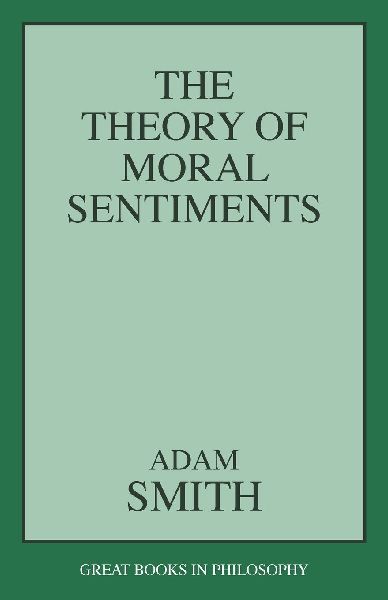

An Inquiry into the Nature and Causes of the Wealth of Nations
Adam Smith
Kartoniert, Englisch, 17 Ausgaben
ab 14,50 €
von Adam Smith
To those who know Adam Smith principally by his classic treatise on economics, The Wealth of Nations, this earlier work may come as a revelation.
Smith is often misrepresented in the public imagination as a cold, calculating rationalist espousing the pursuit of self-interest in the marketplace of laissez-faire capitalism, regardless of the human cost.
This grossly inaccurate portrait may go back to Karl Marx, who seems not to have read Smith's work very carefully and thus criticized him as an unfeeling advocate of a system that exploited and alienated workers.
The Theory of Moral Sentiments, however, clearly demonstrates that besides mundane economic pursuits, Smith was just as interested, if not more so, in the capacity of people to bestow and to esteem benevolence, and to strive for virtue even while they are pursuing their own self-interest. The root of our motivation to act benevolently toward others, says Smith, is our natural propensity to sympathize with others.
By the same token, our need to have others sympathize with us fuels our desire to be esteemed by others for our benevolence and generally virtuous character. But beyond the need for social approbation, we also have a genuine desire to live according to the dictates of conscience (called by Smith the "Impartial Spectator").
This is our highest impulse and leads us continually to strive for excellence in all spheres of life quite apart from any recognition or encouragement from others. It may be prudent in our economic life to follow our self-interest to secure the basic necessities, but this is only the first stage of personal development toward the much higher goal of living a morally virtuous life.
Although The Theory of Moral Sentiments is not well known today, it was widely read and highly praised by the leading intellectuals of the day including David Hume and Edmund Burke. The book went through six different editions between 1759 and 1790 and was also translated into French by the widow of Condorcet.
To gain a complete picture of Adam Smith and his ideas, every reader of The Wealth of Nations should also become familiar with his classic treatment of ethics.
Standardversand: 1 bis 3 Werktage, 3,99 €, kostenlos ab 35 €
Liefergebiet: Deutschland
Rücksendung: 14 Tage Widerrufsrecht. Bei einem Widerruf tragen Sie die Kosten der Rücksendung. Bei einer Falschlieferung oder einem Fehler von uns erstatten wir Ihnen das Rückporto. Den Widerruf erklären Sie über den Knopf „Vertrag widerrufen“ im Fuß der Seite.
Adam Smith
Kartoniert, Englisch, 17 Ausgaben
ab 14,50 €
Zu diesem Titel gibt es noch keine Bewertung. Bewerten kann, wer ihn bei uns gekauft hat.