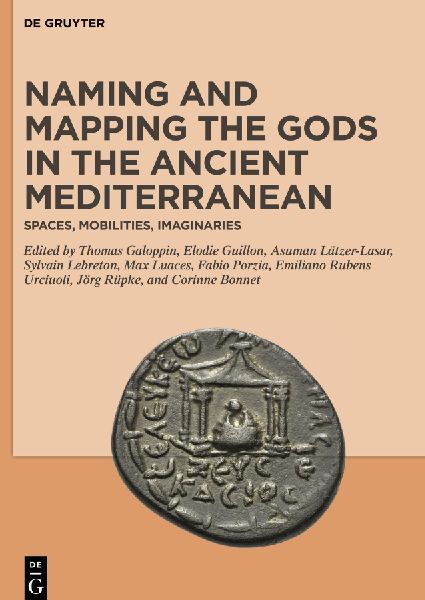
Naming and Mapping the Gods in the Ancient Mediterranean
Corinne Bonnet (Hrsg.)
Gebunden, Englisch
199,95 €
von Ginny Wheeler
The archaeological remains of Maxentius' interconnected imperial villa, funerary mausoleum, and circus on the Via Appia offer the best material evidence that Maxentius intentionally selected classical architectural forms and inserted easily recognizable references to the glory days of Roman imperial architecture as part of his short-lived campaign to be Rome's champion (306-312).
The architectural vocabulary that Maxentius reassembled both in his complex on the Via Appia and in his public constructions in the city center seems to have been embraced by Constantine's architects and subsequently reiterated in early Christian architecture. Continuities in their imperial commissions suggest that both Maxentius and Constantine prioritized the quality of imperial grandeur above all.
The selection of the basilica form as the basis of church architecture along with the remarkable similarities to Maxentian constructions reveal that Constantine valued impressive and traditional majesty much more than visibly distinguishing between pagan and Christian architecture.
Ginny Wheeler is proud to be one of the select few who defends Maxentius's name. After graduating from Amherst College, she moved to Rome where she spent time working at the American Academy in Rome and the Markets of Trajan.
Her interests range from imperial Rome to the modern-day city and the Italian language.
Standardversand: 1 bis 3 Werktage, 3,99 €, kostenlos ab 35 €
Liefergebiet: Deutschland
Rücksendung: 14 Tage Widerrufsrecht. Bei einem Widerruf tragen Sie die Kosten der Rücksendung. Bei einer Falschlieferung oder einem Fehler von uns erstatten wir Ihnen das Rückporto. Den Widerruf erklären Sie über den Knopf „Vertrag widerrufen“ im Fuß der Seite.
Corinne Bonnet (Hrsg.)
Gebunden, Englisch
199,95 €
Zu diesem Titel gibt es noch keine Bewertung. Bewerten kann, wer ihn bei uns gekauft hat.