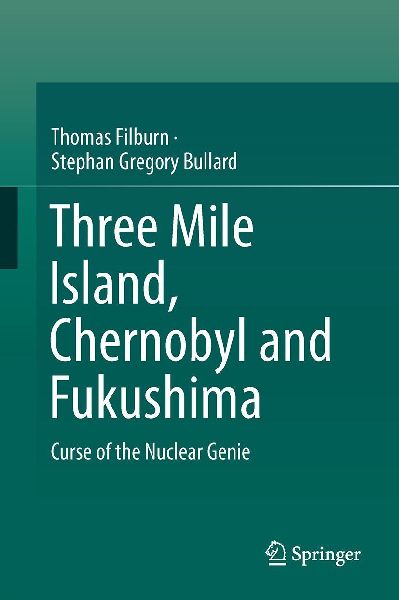
Three Mile Island, Chernobyl and Fukushima
Curse of the Nuclear Genie
von Thomas Filburn und Stephan Bullard
- Einband
- Gebunden
- Seiten
- 132
- Sprache
- Englisch
- Erschienen
- November 2016
- Verlag
- Springer
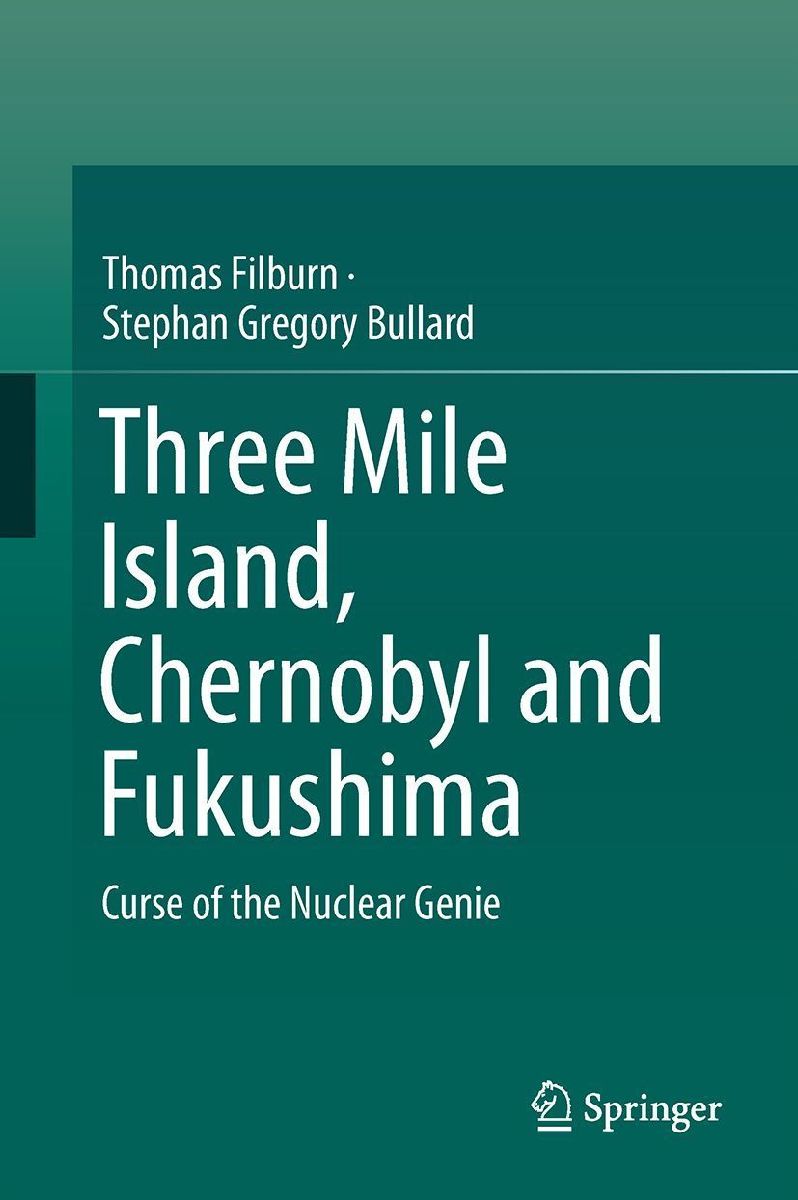
Buchbeschreibung
This book examines the three most well-known and socially important nuclear accidents.
Each of these accidents had significant, yet dramatically different, human and environmental impacts. Unique factors helped shape the overall pattern and scale of each disaster, but a major contributing factor was the different designs used for each reactor. Fukushima was a boiling water reactor (BWR), Chernobyl was a graphite moderated boiling water reactor, and TMI was a pressurized water reactor (PWR).
Ganze Beschreibung lesenWeniger anzeigen
This book traces the history of nuclear power and the development of each reactor type. We examine how GE's work with a sodium cooled design did not fare well with the US Navy, and led GE to promulgate the BWR design. We explore the Russian atomic bomb program, its use of graphite moderated reactors, and their design modifications to create power production units.
We trace the developments in the US that led the US Navy to select the PWR design, and caused the PWR to be used for nearly 2/3 of all UScommercial reactors. In sum, the book uses the three major nuclear accidents as a lens to trace the technological history of nuclear energy production and to link these developments with long-term societal and environmental consequences.
The book is intended for readers with an interest in nuclear power and nuclear disasters. The detailed and compelling account will appeal to both the expert and the interested lay-person.
Inhaltsverzeichnis
- Fukushima, Chernobyl and Three Mile Island, How we got there
- Chapter 1. Nuclear Fundamentals
- Chapter 2.Fukushima, design facts
- Chapter 3.Great Japan Earthquake and Fukushima accident history Eg Units 5 & 6 untouched by tsunami, because cliff was not removed for them Ge design, back up turbine/generator in basement Recovery effort status
- Chapter 4.Fukushima Daiichi today
- Chapter 5 BWR design history, why GE, Borax experiments GE, Vallecitos, Dresden GE design duplicated at Fukushima, including diesels in basement
- Chapter 6.Zircalloy clad fuel elements, history, H2O electrolysis at high temp, H2 gen
- Chapter 7. station blackout previously considered non credible accident
Ganzes Inhaltsverzeichnis anzeigen (14 Einträge)Weniger anzeigen
- Chapter 8.Chernobyl accident history
- Chapter 9.Graphite moderated reactor Russian history, Chicago pile to weapons production
- Chapter 10.Leningrad and other RBMK problems, precursor to Chernobyl disaster
- Chapter 11.TMI
- Chapter 12. PWR selected because of USnavy preference
- Chapter 13.Conclusion
Details
- Erscheinungstermin
- November 2016
- Kategorie
- Fremdsprachige Bücher
- Einband
- Gebunden
- Seiten
- 132
- Sprache
- Englisch
- Verlag
- Springer
- Format
- 24,1 × 16,0 cm
- Dicke
- 1,3 cm
- Gewicht
- 343 g
- EAN / ISBN-13
- 9783319340531
Über Thomas Filburn
Thomas Filburn is Project Liaison in the Materials and Processes Engineering group at Pratt &Whitney Aircraft. Previously he was Director of Research, UTAS Program Office, United Technologies Research Center, in East Hartford, Connecticut.
Mehr über Thomas FilburnWeniger anzeigen
He obtained his Ph. D. from the University of Connecticut in Chemical Engineering; he also holds a B.Sc. and M.S. in Mechanical Engineering from the University of Connecticut, Storrs CT. He has worked for Northeast Utilities, United Nuclear Corporation and United Technologies Corporation (UTC). Prior to joining the faculty at the University of Hartford he performed research for a liquid metal combustion system used for torpedo propulsion at the Applied Research Lab at Penn State University. His last assignment before joining the University was with the Space, Land and Sea group at Hamilton Sundstrand (UTC division), where he performed research on regenerative life support technologies for NASA. His research interests lie inthe area of energy, sustainable design, greenhouse gas control and environmental design. He has published in Industrial and Engineering Chemical Research, the Fuels Journal of the American Chemical Society and has presented at many conferences. He holds 8 US patents for a variety of aerospace applications.
Versand und Rückgabe
Standardversand: 1 bis 3 Werktage, 3,99 €, kostenlos ab 35 €
Liefergebiet: Deutschland
Rücksendung: 14 Tage Widerrufsrecht. Bei einem Widerruf tragen Sie die Kosten der Rücksendung. Bei einer Falschlieferung oder einem Fehler von uns erstatten wir Ihnen das Rückporto. Den Widerruf erklären Sie über den Knopf „Vertrag widerrufen“ im Fuß der Seite.
Hersteller und ProduktsicherheitSpringer Nature Customer Service Center GmbH
Springer Nature Customer Service Center GmbH
Europaplatz 3
69115 Heidelberg
Deutschland
ProductSafety@springernature.com
Ähnliche Titel

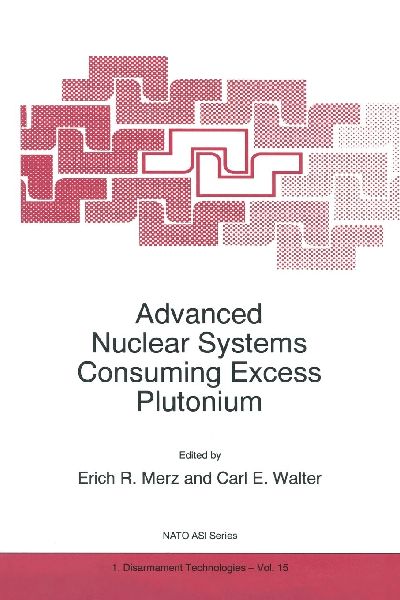
Advanced Nuclear Systems Consuming Excess Plutonium
E. R. Merz (Hrsg.)
Kartoniert, Englisch, 2 Ausgaben
ab 53,49 €
Bewertungen
Zu diesem Titel gibt es noch keine Bewertung. Bewerten kann, wer ihn bei uns gekauft hat.
So prüfen wir Bewertungen
Eine Bewertung kann bei uns nur abgeben, wer den Titel über sein Kundenkonto bei uns gekauft hat. Jede Bewertung ist fest mit der zugehörigen Bestellung verknüpft; anders kommt sie technisch gar nicht zustande. Deshalb trägt jede angezeigte Bewertung den Hinweis „Verifizierter Kauf". Wir zeigen positive wie negative Bewertungen und löschen nur bei Rechtsverstößen. Für Bewertungen gibt es keine Gegenleistung.
106,99 €Voraussichtlich 7. bis 9. Dez.