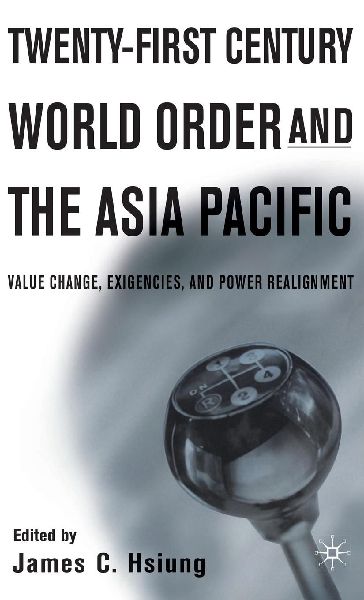
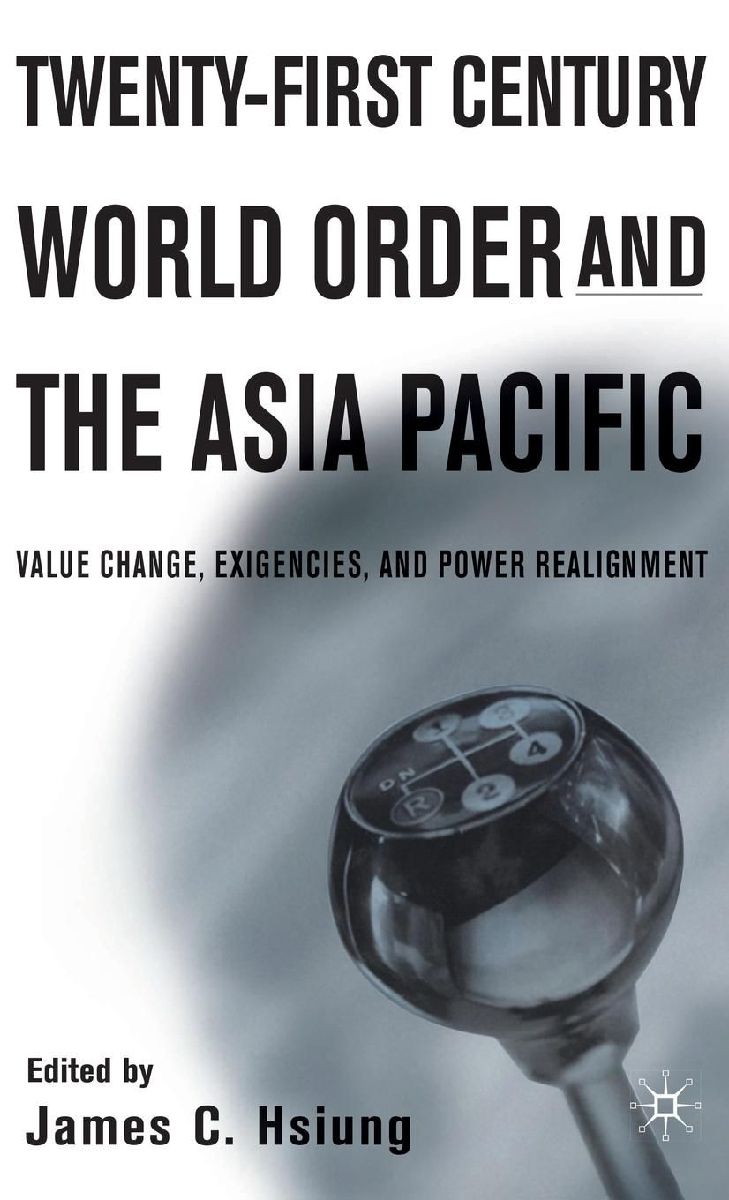
Twenty-First Century World Order and the Asia Pacific
Value Change, Exigencies, and Power Realignment
Herausgegeben von: J. Hsiung
- Einband
- Gebunden
- Seiten
- 390
- Sprache
- Englisch
- Erschienen
- Oktober 2001
- Verlag
- Palgrave MacMillan Us
Buchbeschreibung
After examining the global system's political volatility at the dawn of the new millenium, the book looks at how some of the identifiable system-wide trends (e.g., globalization, democratization, fragmentation, etc.) may find repercussions in the Asia Pacific. The book also addresses the question of 'comprehensive security', in comparison with other regions, in a wide range of areas subsuming economic security (geoeconomics), environmental security (ecopolitics), and human security.
Ganze Beschreibung lesenWeniger anzeigen
In addition, the book recognizes the idiosyncrasies of the region, such as the defensiveness of most Asian governments toward the protection of their financial markets against external forces following the regional financial crisis of the late 1990s.
Inhaltsverzeichnis
- PART ONE: THE GLOBAL PERSPECTIVE The World Order of the New Century: Prospects and Perils
- J.C Hsiung Globalization and Asia: An Opportunity or a Trap?
- A.So PART TWO: THE REGIONAL PERSPECTIVE Asia Pacific: The Challenges in the New Era
- J.C.Hsiung Can Asia Pacific Escape the Impact of Globalization?
- S.Chan PART THREE: INTER-REGIONAL AND INTRA-REGIONAL RELATIONS Europe and the Asia Pacific: Two Regions in Search of a Relationship
- B.Bridges Comparing Regional Integration in Non-Identical Twins: the APEC and the FTAA
- R.Feinberg Region Without a Cause? ASEAN and Southeast Asia's Systemic Challenges
- G.Felker PART FOUR: COMPREHENSIVE SECURITY American Views of Asia-Pacific Security: Comprehensive or Military
Ganzes Inhaltsverzeichnis anzeigen (14 Einträge)Weniger anzeigen
- D.Bobrow Reinvigorating Japan's Comprehensive Security
- S.Sudo Chinese Perspective of Comprehensive National Security
- R.Hu PART FIVE: ASIA PACIFIC'S NEWLY EMERGING PROBLEMS The Impact of Globalization on Threat Perception: New Sources of Insecurity in Southeast Asia
- M.Nathan A Post-Crisis Agenda: Savings Instruments, Bubbles, and the Financial Crises
- L.S.Ho PART SIX: CONCLUSIONS Asia Pacific in the New World Order: Findings and Projections
- J.C.Hsiung
Details
- Erscheinungstermin
- Oktober 2001
- Kategorie
- Fremdsprachige Bücher
- Einband
- Gebunden
- Seiten
- 390
- Sprache
- Englisch
- Verlag
- Palgrave MacMillan Us
- Format
- 21,5 × 14,9 cm
- Dicke
- 3,1 cm
- Gewicht
- 562 g
- EAN / ISBN-13
- 9780312238797
Über J. Hsiung (Hrsg.)
JAMES C. HSIUNG, Ph. D., Columbia University, is Professor of Politics and International Law at New York University. During 1997-1999, he was visiting Chair Professor and Head, Department of Politics-Sociology, Lingnan University, Hong Kong.
Mehr über J. Hsiung (Hrsg.)Weniger anzeigen
He is author and editor of sixteen well-received books as well as numerous articles and book chapters. His most recent works are: Asia Pacific in the New World Politics (1993); Anarchy & Order: The Interplay of Politics and Law in International Relations (1997); and Hong Kong the Super Paradox (2000). His current research interest is in world order in the age of globalization.
Versand und Rückgabe
Standardversand: 1 bis 3 Werktage, 3,99 €, kostenlos ab 35 €
Liefergebiet: Deutschland
Rücksendung: 14 Tage Widerrufsrecht. Bei einem Widerruf tragen Sie die Kosten der Rücksendung. Bei einer Falschlieferung oder einem Fehler von uns erstatten wir Ihnen das Rückporto. Den Widerruf erklären Sie über den Knopf „Vertrag widerrufen“ im Fuß der Seite.
Hersteller und ProduktsicherheitSpringer Nature Customer Service Center GmbH
Springer Nature Customer Service Center GmbH
Europaplatz 3
69115 Heidelberg
Deutschland
ProductSafety@springernature.com
Ähnliche Titel


Myanmar's Changing Political Landscape
Makiko Takeda (Hrsg.)
Gebunden, Englisch, 2 Ausgaben
ab 160,49 €
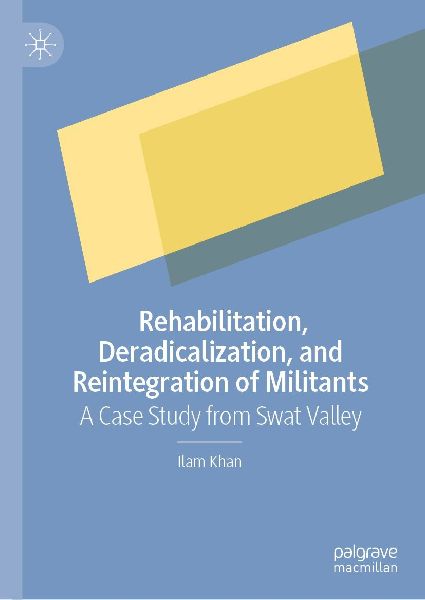
Rehabilitation, Deradicalization, and Reintegration of Militants
Ilam Khan
Gebunden, Englisch, 2 Ausgaben
ab 48,14 €
Bewertungen
Zu diesem Titel gibt es noch keine Bewertung. Bewerten kann, wer ihn bei uns gekauft hat.
So prüfen wir Bewertungen
Eine Bewertung kann bei uns nur abgeben, wer den Titel über sein Kundenkonto bei uns gekauft hat. Jede Bewertung ist fest mit der zugehörigen Bestellung verknüpft; anders kommt sie technisch gar nicht zustande. Deshalb trägt jede angezeigte Bewertung den Hinweis „Verifizierter Kauf". Wir zeigen positive wie negative Bewertungen und löschen nur bei Rechtsverstößen. Für Bewertungen gibt es keine Gegenleistung.
112,50 €