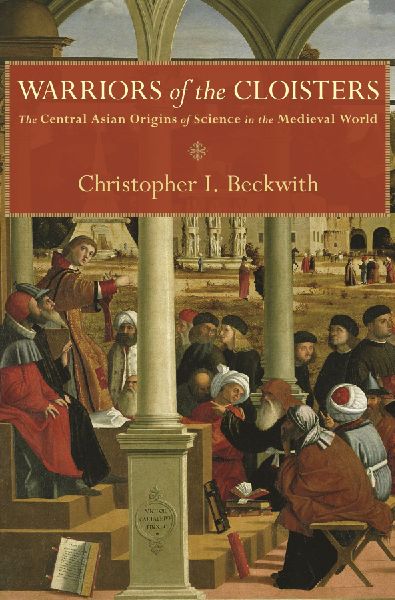
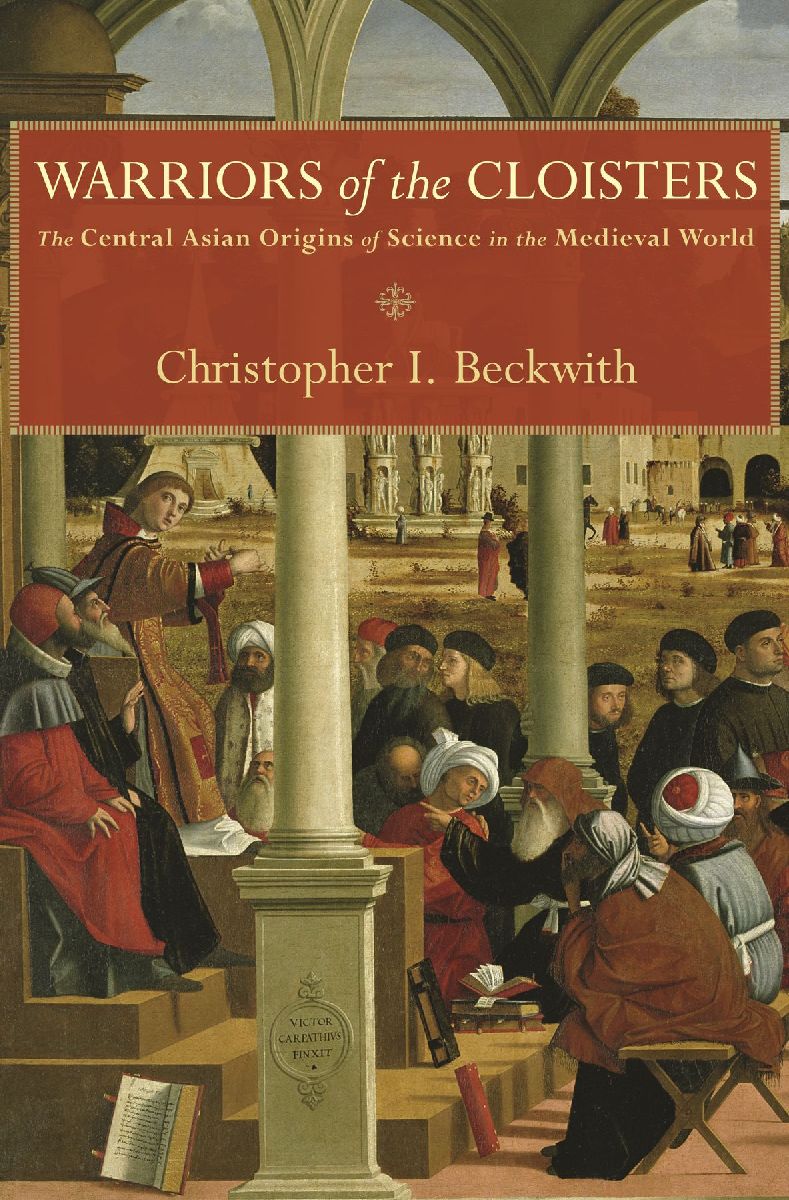
Warriors of the Cloisters
The Central Asian Origins of Science in the Medieval World
- Einband
- Gebunden
- Seiten
- 232
- Sprache
- Englisch
- Erschienen
- September 2012
- Verlag
- Princeton University Press
Buchbeschreibung
How science in medieval Europe originated in Buddhist Asia
Warriors of the Cloisters tells how key cultural innovations from Central Asia revolutionized medieval Europe and gave rise to the culture of science in the West. Medieval scholars rarely performed scientific experiments, but instead contested issues in natural science, philosophy, and theology using the recursive argument method.
Ganze Beschreibung lesenWeniger anzeigen
This highly distinctive and unusual method of disputation was a core feature of medieval science, the predecessor of modern science. We know that the foundations of science were imported to Western Europe from the Islamic world, but until now the origins of such key elements of Islamic culture have been a mystery.
In this provocative book, Christopher I. Beckwith traces how the recursive argument method was first developed by Buddhist scholars and was spread by them throughout ancient Central Asia. He shows how the method was adopted by Islamic Central Asian natural philosophers-most importantly by Avicenna, one of the most brilliant of all medieval thinkers-and transmitted to the West when Avicenna's works were translated into Latin in Spain in the twelfth century by the Jewish philosopher Ibn Da'ud and others.
During the same period the institution of the college was also borrowed from the Islamic world. The college was where most of the disputations were held, and became the most important component of medieval Europe's newly formed universities. As Beckwith demonstrates, the Islamic college also originated in Buddhist Central Asia.
Using in-depth analysis of ancient Buddhist, Classical Arabic, and Medieval Latin writings, Warriors of the Cloisters transforms our understanding of the origins of medieval scientific culture.
Details
- Erscheinungstermin
- September 2012
- Kategorie
- Fremdsprachige Bücher
- Einband
- Gebunden
- Seiten
- 232
- Sprache
- Englisch
- Verlag
- Princeton University Press
- Format
- 24,0 × 16,1 cm
- Dicke
- 1,8 cm
- Gewicht
- 509 g
- EAN / ISBN-13
- 9780691155319
Über Christopher I. Beckwith
Christopher I. Beckwith is professor of Central Eurasian studies at Indiana University, Bloomington.
Mehr über Christopher I. BeckwithWeniger anzeigen
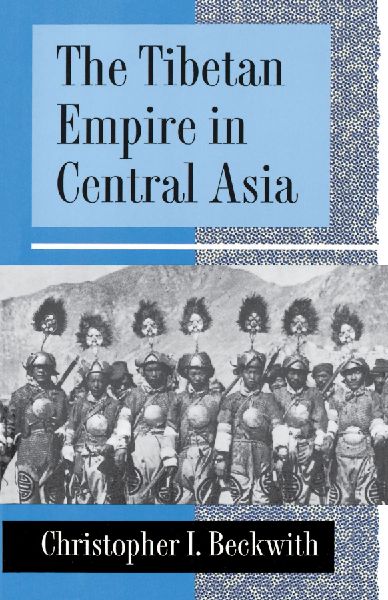
His books include Empires of the Silk Road: A History of Central Eurasia from the Bronze Age to the Present and The Tibetan Empire in Central Asia: A History of the Struggle for Great Power among Tibetans, Turks, Arabs, and Chinese during the Early Middle Ages (both Princeton).
Versand und Rückgabe
Standardversand: 1 bis 3 Werktage, 3,99 €, kostenlos ab 35 €
Liefergebiet: Deutschland
Rücksendung: 14 Tage Widerrufsrecht. Bei einem Widerruf tragen Sie die Kosten der Rücksendung. Bei einer Falschlieferung oder einem Fehler von uns erstatten wir Ihnen das Rückporto. Den Widerruf erklären Sie über den Knopf „Vertrag widerrufen“ im Fuß der Seite.
Hersteller und ProduktsicherheitEasy Access System Europe
Mehr von Christopher I. Beckwith
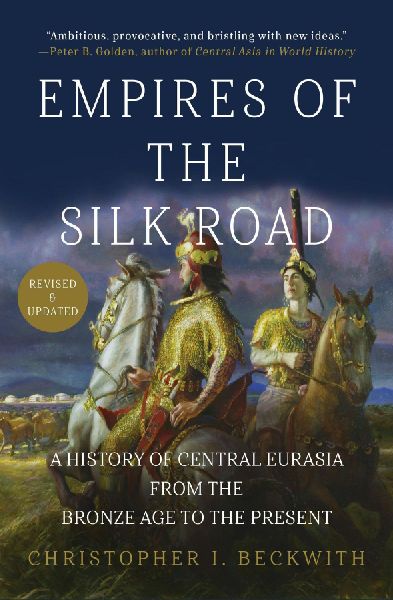
Empires of the Silk Road (Revised and Updated)
Christopher I. Beckwith
Kartoniert, Englisch, 2 Ausgaben
ab 22,00 €
Bewertungen
Zu diesem Titel gibt es noch keine Bewertung. Bewerten kann, wer ihn bei uns gekauft hat.
So prüfen wir Bewertungen
Eine Bewertung kann bei uns nur abgeben, wer den Titel über sein Kundenkonto bei uns gekauft hat. Jede Bewertung ist fest mit der zugehörigen Bestellung verknüpft; anders kommt sie technisch gar nicht zustande. Deshalb trägt jede angezeigte Bewertung den Hinweis „Verifizierter Kauf". Wir zeigen positive wie negative Bewertungen und löschen nur bei Rechtsverstößen. Für Bewertungen gibt es keine Gegenleistung.
48,50 €Voraussichtlich 4. bis 8. Dez.