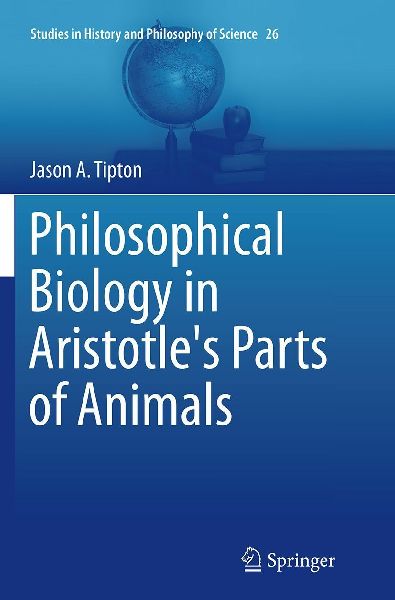
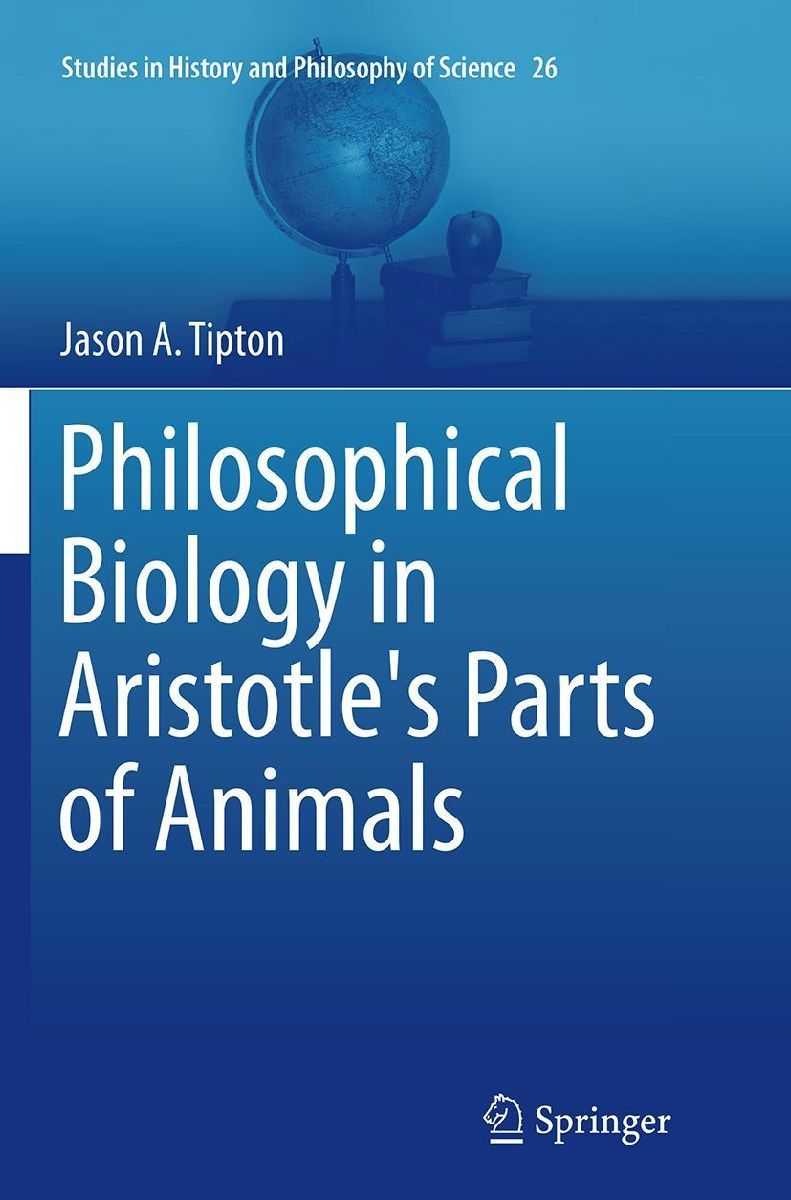
Philosophical Biology in Aristotle's Parts of Animals
von Jason A. Tipton
Aus der Reihe Studies in History and Philosophy of Science
- Einband
- Kartoniert
- Seiten
- 220
- Sprache
- Englisch
- Erschienen
- August 2016
- Verlag
- Palgrave Macmillan
Buchbeschreibung
This book provides a detailed analysis of Aristotle's Parts of Animals.
It presents the wealth of information provided in the biological works of Aristotle and revisits the detailed natural history observations that inform, and in many ways penetrate, the philosophical argument. It raises the question of how easy it is to clearly distinguish between what some might describe as "merely" biological and the philosophical.
Ganze Beschreibung lesenWeniger anzeigen
It explores the notion and consequences of describing the activity in which Aristotle is engaged as philosophical biology. The book examines such questions as: do readers of Aristotle have in mind organisms like Ascidians or Holothurians when trying to understand Aristotle's argument regarding plant-like animals?
Do they need the phenomena in front of them to understand the terms of the philosophical argument in a richer way? The discussion of plant-like animals is important in Aristotle because of the question about the continuum between plant and animal life. Where does Aristotle draw the line? Plant-like animals bring this question into focus and demonstrate the indeterminacy of any potential solution to the division.
This analysis of Parts of Animals shows that the study of the nature of the organic world was Aristotle's way into such ontological problems as the relationship between matter and form, or form and function, or the heterogeneity of the many different kinds of being.¿
Inhaltsverzeichnis
- Dedication
- Acknowledgments
- Table of Contents
- Chapter 1: Aristotle’s Philosophy and Biology: The biological phenomena
- Chapter 2: The Problem of Beginnings
- Chapter 3: Recognizing Sameness and Otherness in Animals
- Chapter 4: The Examination of the Animate in Light of the Inanimate: or, The Argument for the Autonomy of the Zoological Inquiry
- Chapter 5: Finding Fault with Nature
Ganzes Inhaltsverzeichnis anzeigen (11 Einträge)Weniger anzeigen
- Chapter 6: The Division and Combination of Labor
- Bibiography - Editions, Translations and Commentaries
- Index
Details
- Erscheinungstermin
- August 2016
- Kategorie
- Fremdsprachige Bücher
- Einband
- Kartoniert
- Seiten
- 220
- Sprache
- Englisch
- Verlag
- Palgrave Macmillan
- Reihe
- Studies in History and Philosophy of Science
- Format
- 23,5 × 15,5 cm
- Dicke
- 1,3 cm
- Gewicht
- 341 g
- EAN / ISBN-13
- 9783319376523
Versand und Rückgabe
Standardversand: 1 bis 3 Werktage, 3,99 €, kostenlos ab 35 €
Liefergebiet: Deutschland
Rücksendung: 14 Tage Widerrufsrecht. Bei einem Widerruf tragen Sie die Kosten der Rücksendung. Bei einer Falschlieferung oder einem Fehler von uns erstatten wir Ihnen das Rückporto. Den Widerruf erklären Sie über den Knopf „Vertrag widerrufen“ im Fuß der Seite.
Hersteller und ProduktsicherheitSpringer Nature Customer Service Center GmbH
Springer Nature Customer Service Center GmbH
Europaplatz 3
69115 Heidelberg
Deutschland
ProductSafety@springernature.com
Mehr aus der Reihe Studies in History and Philosophy of Science
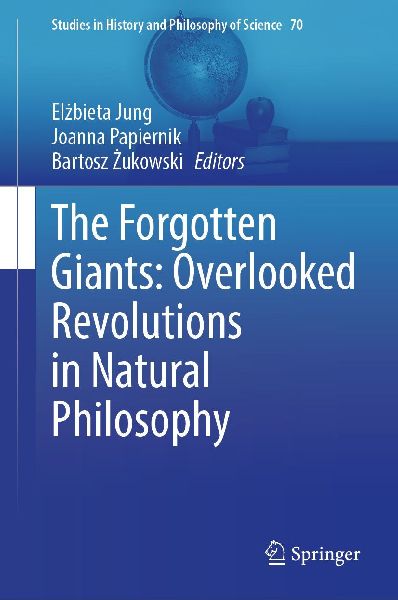
The Forgotten Giants: Overlooked Revolutions in Natural Philosophy
El¿bieta Jung (Hrsg.)
Gebunden, Englisch
160,49 €
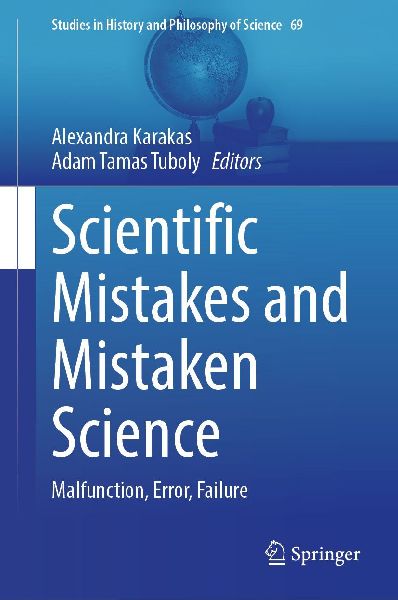

History of Mathematical Sciences: Portugal and East Asia VI
Luís Saraiva (Hrsg.)
Gebunden, Englisch
160,49 €
Ähnliche Titel
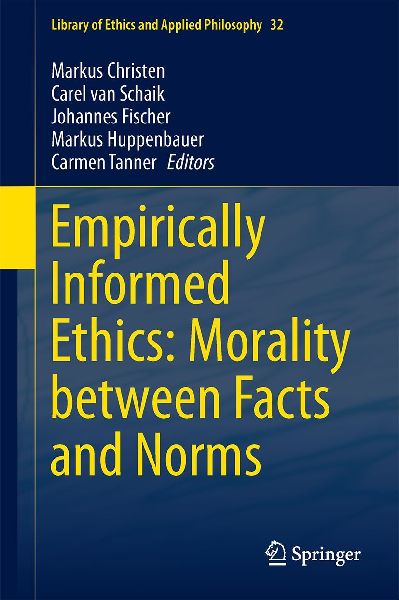
Empirically Informed Ethics: Morality between Facts and Norms
Markus Christen (Hrsg.)
Gebunden, Englisch, 2 Ausgaben
ab 106,99 €

Bewertungen
Zu diesem Titel gibt es noch keine Bewertung. Bewerten kann, wer ihn bei uns gekauft hat.
So prüfen wir Bewertungen
Eine Bewertung kann bei uns nur abgeben, wer den Titel über sein Kundenkonto bei uns gekauft hat. Jede Bewertung ist fest mit der zugehörigen Bestellung verknüpft; anders kommt sie technisch gar nicht zustande. Deshalb trägt jede angezeigte Bewertung den Hinweis „Verifizierter Kauf". Wir zeigen positive wie negative Bewertungen und löschen nur bei Rechtsverstößen. Für Bewertungen gibt es keine Gegenleistung.
117,69 €Voraussichtlich 2. bis 4. Dez.